

The Tragic Trajectory of Silence
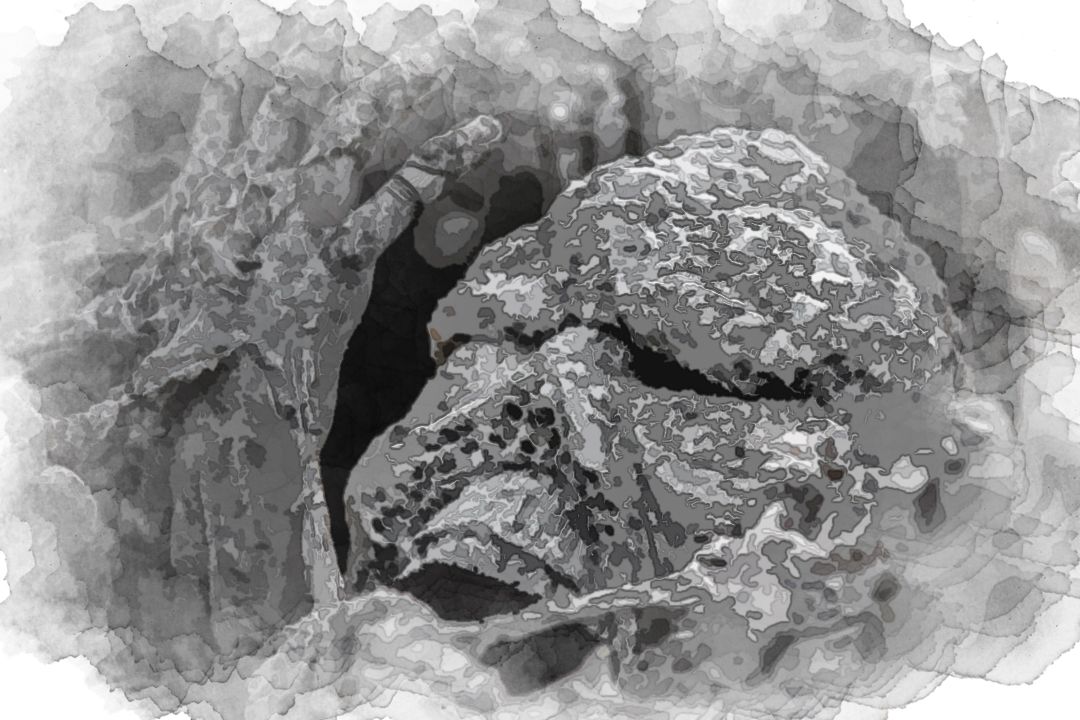
The Shoah — The Disturbing Reality for the Remembrancer
Sophia: Ludwig, Elie, the horrors of history challenge both our language and our moral compass. Wittgenstein, you wrote, “What we cannot speak about we must pass over in silence.” Yet can silence ever be sufficient in the face of atrocity?
Wittgenstein: Sophia, silence is a recognition of the limits of expression. Some experiences are so profound, so horrific, that words fail. Attempting to encapsulate them may distort their reality or reduce them to abstraction.
Wiesel: And yet, Sophia, silence alone is insufficient. Wherever men and women are persecuted because of their race, religion, or political views, that place must — at that moment — become the center of the universe. Bearing witness, speaking, and remembering are moral imperatives, even when words falter.
What we cannot speak about we must pass over in silence.
— Ludwig Wittgenstein (1889-1951)
Sophia: So there is a tension between the ineffable and the necessary act of testimony. Silence acknowledges limits; speaking confronts responsibility.
Wittgenstein: Precisely. Language may stumble, but it also enables remembrance. To attempt articulation is not to capture the full horror, but to mark its existence, to resist forgetting.
Wiesel: And memory is the antidote to indifference. Even fragmented, inadequate words matter. They center attention on the victims, affirming that their suffering was real and must inform conscience.
Sophia: Then the remembrancer navigates a narrow path: respecting the ineffable, yet refusing to be silent before injustice. One must speak with care, with humility, but without hesitation.
Wittgenstein: Yes. Words are fragile vessels, yet they are what remain after the events themselves have passed. They must be used wisely.
Wherever men and women are persecuted because of their race, religion, or political views, that place must — at that moment — become the center of the universe.
— Elie Wiesel (1928-2016)
Wiesel: And courageously. Silence preserves dignity in some realms, but the world cannot honor the persecuted unless memory and witness are active.
Sophia: Then let us embrace both: the reverent silence for what defies expression, and the committed speech for what demands moral attention. The Shoah, like all human atrocities, challenges our faculties, yet compels our engagement.
Wittgenstein: A sobering balance, indeed. Words to bear witness, silence to preserve the sacred weight of what cannot be fully conveyed.
Wiesel: And in this balance, the remembrancer fulfills a moral duty: to center attention, preserve truth, and ensure that the past illuminates conscience for the future.
The three sit in solemn reflection, aware that memory, language, and moral vigilance are intertwined, and that the act of remembrance is both a burden and a sacred responsibility.
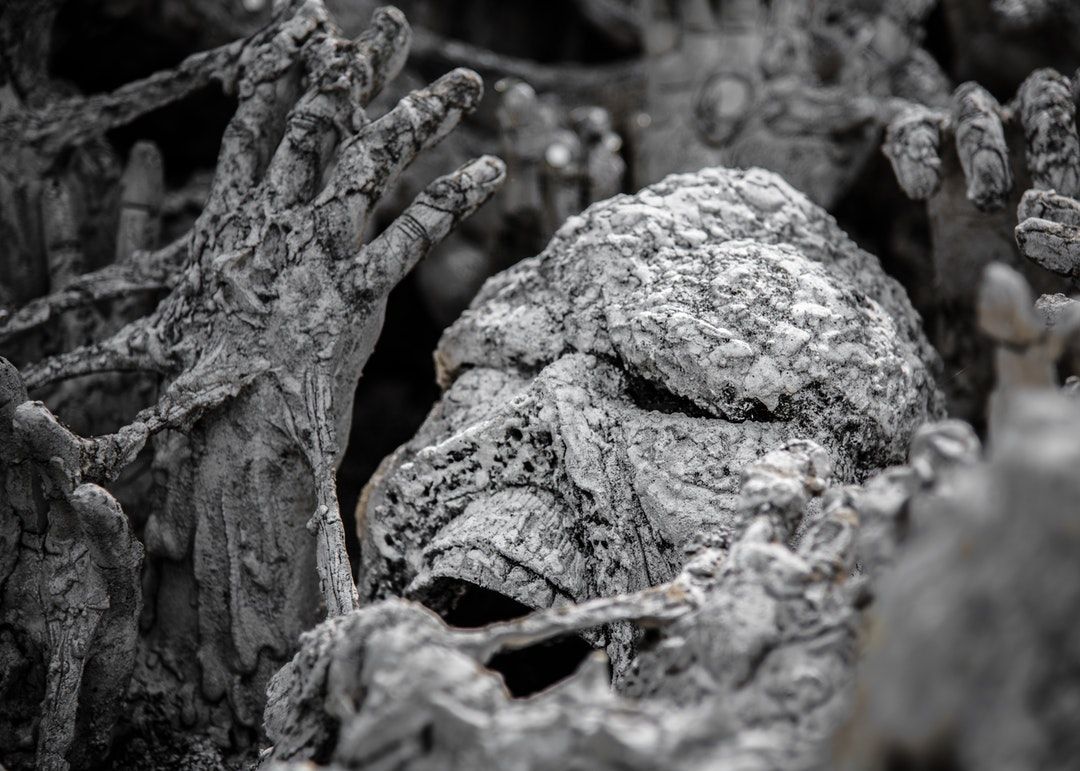
The planksip Writers' Cooperative is proud to sponsor an exciting article rewriting competition where you can win part of over $750,000 in available prize money.
Figures of Speech Collection Personified
Our editorial instructions for your contest submission are simple: incorporate the quotes and imagery from the above article into your submission.
What emerges is entirely up to you!
Winners receive $500 per winning entry multiplied by the article's featured quotes. Our largest prize is $8,000 for rewriting the following article;
 Heraclitus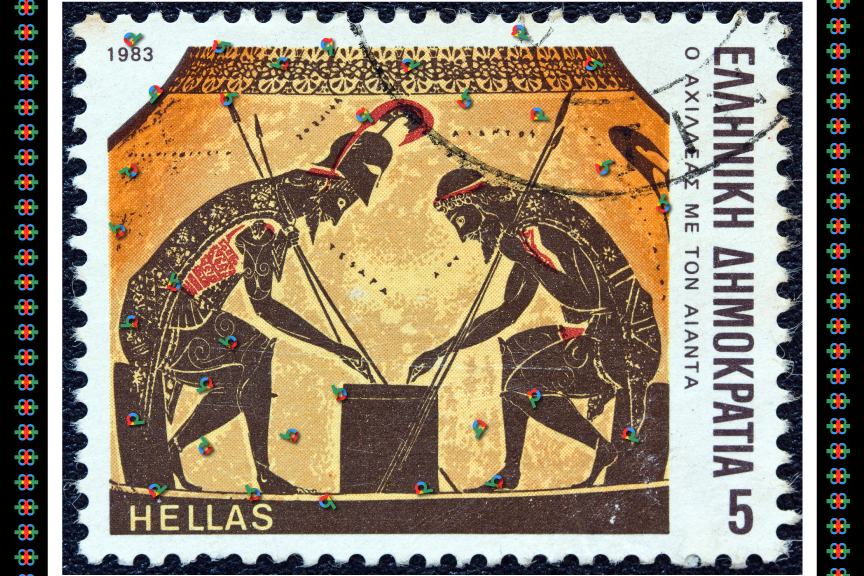
At planksip, we believe in changing the way people engage—at least, that's the Idea (ἰδέα). By becoming a member of our thought-provoking community, you'll have the chance to win incredible prizes and access our extensive network of media outlets, which will amplify your voice as a thought leader. Your membership truly matters!