

The Unyielding Core: Why Courage is the Indispensable Foundation of Liberty
Liberty, that cherished ideal of self-determination and freedom, is not a self-sustaining force. It is a fragile, contingent state, perpetually demanding vigilance and sacrifice. At its very heart lies an indispensable virtue: courage. Without the unwavering fortitude to confront fear, oppression, and complacency, liberty withers, becoming a mere historical echo rather than a living reality. From the ancient polis to modern democracies, the Great Books of the Western World consistently reveal that the existence and endurance of freedom are inextricably linked to the courage of individuals and the collective spirit of a people willing to defend it.
Defining the Pillars: Courage and Liberty
Before we delve into their profound interdependence, it is crucial to establish a clear understanding of these foundational concepts.
- Courage: Often misconstrued as the absence of fear, courage, as articulated by figures like Aristotle in his Nicomachean Ethics, is rather the ability to act rightly in spite of fear. It is the mean between rashness and cowardice, a deliberate choice to face danger, difficulty, or pain for a noble purpose. This encompasses not only physical bravery but also moral courage – the strength to uphold principles, speak truth to power, and endure social ostracism; and intellectual courage – the willingness to question dogmas and pursue truth, even when uncomfortable.
- Liberty: More than just the absence of external restraint, liberty, particularly as conceptualized by thinkers such as John Locke, is the freedom to act according to one's will within the bounds of natural law, to participate in self-governance, and to flourish as an individual. It implies both freedom from arbitrary power and the positive freedom to exercise one's rights and fulfill one's potential.
The Contingency of Liberty: Why Courage Becomes a Necessity
Liberty is not a necessary state of affairs; it does not arise inevitably from the natural order. Instead, it is a contingent achievement, a delicate balance sustained by human effort and choice. This contingency immediately elevates courage from a mere admirable trait to an absolute necessity.
- External Threats: Throughout history, liberty has faced constant external threats from tyrannical regimes, invading forces, and oppressive ideologies. Without the courage to resist, to fight, and to sacrifice, these threats would invariably extinguish freedom.
- Internal Erosion: Equally insidious are the internal threats: apathy, the allure of comfort over principle, the fear of reprisal for dissent, and the gradual encroachment of state power. It requires immense moral and intellectual courage to stand against these subtle erosions of freedom, to speak out when silence is easier, and to defend the rights of others when one's own are not immediately threatened.
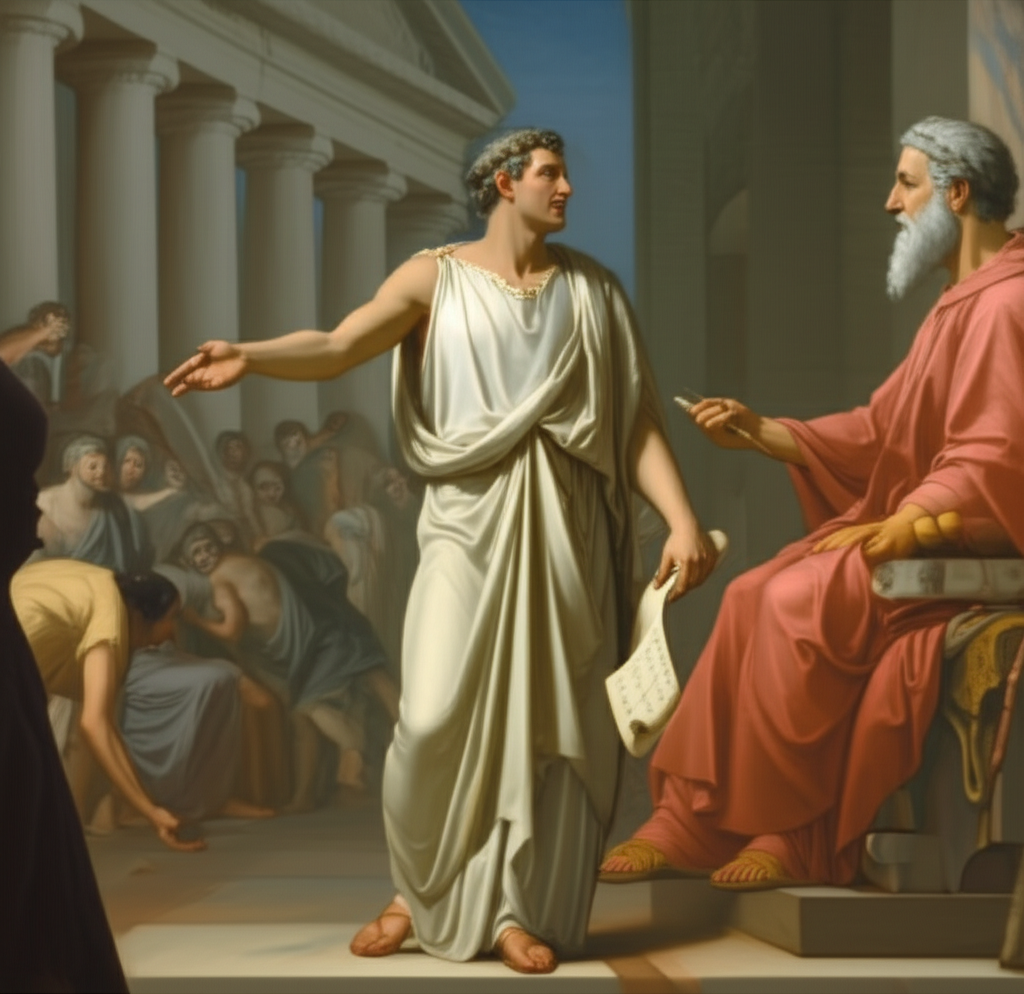
Forms of Courage Essential for Liberty
The necessity of courage manifests in various critical forms for the establishment and maintenance of liberty:
- Revolutionary Courage:
- Description: The ultimate act of defiance against entrenched oppression. To initiate a revolution, as discussed in Locke's Two Treatises of Government regarding the right to resist tyranny, requires an extraordinary collective will to risk life, livelihood, and social order for the promise of a more just future.
- Impact: Overthrows unjust systems, creates new frameworks for freedom.
- Civic Courage:
- Description: The everyday willingness of citizens to participate in self-governance, to hold leaders accountable, to speak truth to power, and to defend the rights of minorities or unpopular causes. This is the courage to engage, to vote, to protest peacefully, and to contribute to public discourse, even when it is difficult or unpopular.
- Impact: Sustains democratic institutions, prevents the gradual erosion of rights.
- Moral Courage:
- Description: The strength to adhere to ethical principles and justice, even when it demands personal sacrifice or confronts prevailing societal norms. It is the courage to refuse complicity, to expose corruption, and to champion human dignity.
- Impact: Upholds the rule of law, ensures justice, and prevents the moral decay that can undermine any free society.
- Intellectual Courage:
- Description: The bravery to question established dogmas, to seek truth regardless of its comfort, and to engage in open inquiry. This is crucial for innovation, critical thinking, and the free exchange of ideas that vitalizes a free society.
- Impact: Fosters critical thought, ensures progress, and prevents dogmatic stagnation.
The Perpetual Demand: Liberty's Unending Need for Courage
The works of Plato, particularly in his discussions of the ideal state and the characteristics of its guardians in The Republic, implicitly highlight the need for courage in those who would uphold justice and order. However, even in a perfectly just society, the contingency of human nature means that the temptation towards self-interest, fear, and apathy will always exist. Therefore, liberty is not a destination but a continuous journey, one that perpetually demands courage from each generation.
| Threat to Liberty | Required Courage | Philosophical Insight |
|---|---|---|
| Tyrannical Rule | Revolutionary & Physical | Locke: Right to resist illegitimate authority. |
| Apathy/Indifference | Civic & Moral | Montesquieu: Virtue (including public spirit) is necessary for a republic. |
| Censorship/Propaganda | Intellectual & Moral | Plato: The pursuit of truth, even if it disrupts comfortable illusions (Allegory of the Cave). |
| Corruption | Moral & Civic | Aristotle: Justice as a fundamental virtue for the well-being of the polis. |
| External Aggression | Physical & Collective | Thucydides: The Peloponnesian War illustrates the sacrifices required for self-preservation. |
Conclusion: The Unseen Shield
In conclusion, the relationship between courage and liberty is not merely correlative; it is one of profound and absolute necessity. Liberty is a contingent achievement, a fragile edifice built upon the bedrock of human will. Without the varied manifestations of courage – the revolutionary spirit to overthrow oppression, the civic fortitude to sustain democratic life, the moral strength to uphold justice, and the intellectual bravery to pursue truth – liberty cannot be born, nor can it endure. The Great Books unequivocally demonstrate that freedom is not a gift passively received but a prize actively, and often courageously, defended. It is the unseen shield that protects the very possibility of human flourishing.
YouTube Video Suggestions:
-
📹 Related Video: ARISTOTLE ON: The Nicomachean Ethics
Video by: The School of Life
💡 Want different videos? Search YouTube for: ""Aristotle Nicomachean Ethics Courage Explained""
2. ## 📹 Related Video: KANT ON: What is Enlightenment?
Video by: The School of Life
💡 Want different videos? Search YouTube for: ""John Locke Two Treatises of Government Summary""