

The Language Animal Spectrum
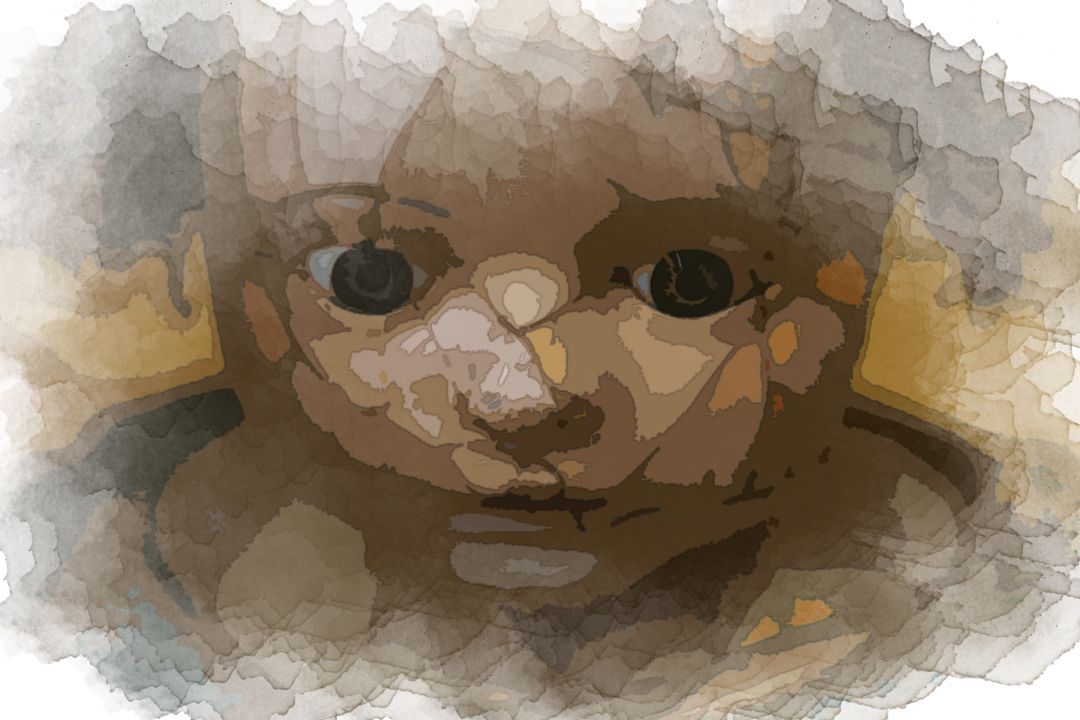
Submissive and Fractured Representations of Yesterday's Youth
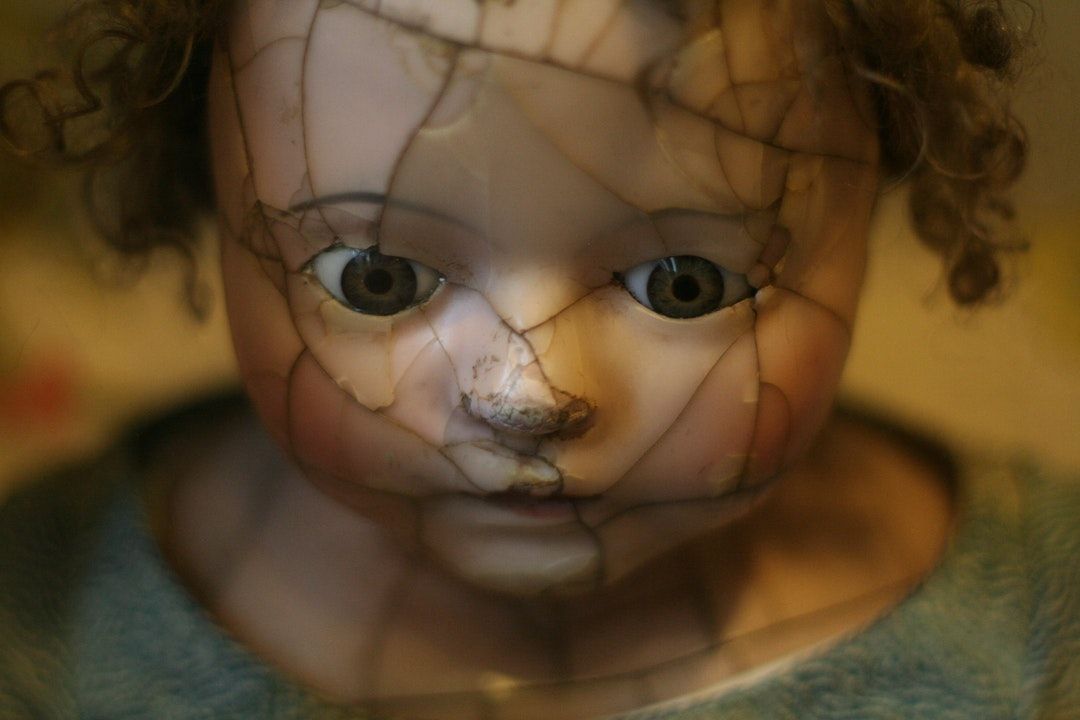
Sophia often pondered the essence of communication as she gazed upon the remnants of a fractured porcelain doll, a relic of childhood long past, nestled among the fallen leaves in her grandmother's attic. She mused over the limitations and wonders of language, reflecting on how it often seemed both inadequate and majestic in its reach. This thought brought to mind a quote she had once read, one that captured the essence of her contemplation perfectly:
Language is a cracked kettle on which we beat out tunes for bears to dance to, while all the time we long to move the stars to pity.
— Gustave Flaubert (1821-1880)
Sophia, an aspiring novelist, lived in a quaint village where stories and folktales were the soul of the community. Her latest project involved translating these tales into a novel that could resonate with modern readers, aiming to stir their emotions profoundly, as the stars themselves were moved to pity. Yet, she often found herself grappling with the inadequacy of words to fully encapsulate the depth of these traditional narratives. The tales, filled with whimsical characters and fantastical events, required a language that could dance to the tune of bears, yet Sophia aspired to transcend this, to craft a narrative that could indeed touch the celestial with its beauty and truth.
Her challenge was monumental, akin to repairing the delicate, cracked face of the doll before her. Each word she wrote felt like a stitch attempting to mend porcelain—fragile and almost futile, but necessary. The doll, a silent companion, seemed to listen, its expression a mix of amusement and melancholy, mirroring Sophia’s own feelings towards her literary endeavors.
On a particularly insightful afternoon, Sophia decided to walk through the village, letting the natural world around her infuse fresh vigor into her thoughts. The forest by her home was a verdant sanctuary, where light danced through the leaves, and every little discovery felt like a revelation. She recalled a sentiment that had resonated with her deeply, reflecting her own experiences whenever she ventured into this natural haven:
All my life through, the new sights of Nature made me rejoice like a child.
— Marie Curie (1867-1934)
As she wandered, Sophia felt a kinship with Curie, not in scientific endeavor, but in the sheer joy of discovery and the profound impact of observing the natural world. Each rustle in the underbrush, every new bud pushing through the earth was a chapter in her ongoing narrative, a testament to the renewing powers of nature. These moments of childlike wonder fueled her writing, providing a reservoir of inspiration she could draw upon to depict the enchanting world of her stories.
She watched a squirrel scurry up a tree, its small body bursting with life and urgency. It reminded her of the characters she penned—each with their urgent quests and vibrant spirits, driven by desires as compelling as the squirrel’s need to prepare for winter. Sophia smiled, jotting down notes in her journal, eager to translate the vitality of the forest into her manuscript, hoping to capture the essence of life’s perpetual renewal and wonder.
Back at her writing desk, Sophia faced the daunting task of revising a crucial chapter in her novel—a chapter that had received a resounding "no" from her editor. The feedback had been a blow, but Sophia knew that each rejection was merely a step closer to a yes. She reminded herself of a powerful idea she had come across, one that gave her the strength to continue refining her narrative:
"After the final no there comes a yes and on that yes the future of the world hangs."
— Wallace Stevens (1879-1955)
Determined, Sophia reworked the dialogue, enhanced the setting descriptions, and deepened the internal conflicts of her characters. She understood that the yes she sought would not just signify acceptance of her work but could potentially influence her readers' view of the world. The stakes were high, as her narrative carried the possibility of changing perspectives, of shining light on forgotten truths, much like the fables of old had done for her village.
Her characters, especially Alexander, the idealistic hero of her tale, became more vivid with each revision. Alexander’s journey mirrored her own—fraught with obstacles yet unwavering in its pursuit of a deeper truth, a yes that would resonate across the readers' hearts, possibly altering their perceptions and inspiring new thoughts.
Throughout her journey, Sophia often returned to a foundational principle that guided both her personal reflections and her writing process, one that echoed the introspective nature of her narrative quest:
The distinguishing characteristics of mind are of a subjective sort; we know them only from the contents of our own consciousness.
— Wilhelm Wundt (1832-1920)
This quote served as a reminder of the subjective nature of reality and perception, both in her life and in the lives of her characters. As she delved deeper into her own consciousness to bring forth the world of her novel, she realized that every perception and thought was a reflection of her inner world, uniquely shaped by her experiences and emotions. Sophia used this insight as a cornerstone in her narrative, exploring how each character's understanding of their world was deeply personal and intricately tied to their mental and emotional landscapes.
The village itself became a character in Sophia’s novel, alive with the subjective experiences of its inhabitants. Each cobblestone, each whisper of the wind through the leaves was perceived differently by her characters, shaped by their joys, their fears, and their pasts. This dynamic setting allowed Sophia to weave a tapestry of interconnected stories, where the reality of one character could be the myth of another, highlighting the profound effect of personal consciousness in shaping one’s world.
Her character, Alexander, became the embodiment of this concept. An artist in the village, he painted landscapes that varied dramatically, not because the scenery changed, but because his internal state colored his perception of the world. Through Alexander, Sophia explored the idea that reality is not a fixed, external entity, but a fluid, subjective construction that each individual creates anew with every moment of experience.
As Sophia delved deeper into her novel, she found humor in the quirks of perception her characters displayed. A scene where Alexander mistook a shadow for a ghost only to find it was a fluttering curtain, caused by his cat's mischievous play, brought a light-hearted relief to the narrative. This blending of humor with philosophical insights provided a balanced rhythm to her story, making the exploration of such deep concepts more accessible and engaging for her readers.
Throughout her creative process, Sophia maintained a hopeful outlook, driven by the belief that her efforts would culminate in a transformative "yes" from her audience and her critics. She often reflected on a powerful notion that had inspired her during moments of doubt:
After the final no there comes a yes and on that yes the future of the world hangs.
— Wallace Stevens (1879-1955)
This quote reminded her that every failure was a precursor to success, and that her persistence could indeed pivot the future of her narrative and potentially influence the literary world. With each rejection, she refined her approach, her characters deepened, and her setting became more vivid, all contributing to a crescendo of narrative depth that she hoped would resonate deeply with her readers.
The completion of her novel was a testament to the journey of countless revisions and rejections, a journey marked by a relentless pursuit of that pivotal "yes." When she finally held the published copy in her hands, Sophia felt a profound connection to the idea that her words might now partake in shaping the world, inspiring new thoughts and perspectives in her readers.
Sophia’s exploration of language, perception, and the human spirit in her novel not only fulfilled her creative aspirations but also left an indelible mark on those who wandered through her pages. The journey from the cracked kettle of language to moving the stars with pity was complete, and in the process, she had indeed managed to make the universe dance to the tunes of her narrative, just as Flaubert had metaphorically suggested. Through her story, she had touched the stars with the beauty of human consciousness and the eternal dance of nature's wonders, securing her place in the hearts of her readers and affirming the transformative power of "yes" in the world of literature.
The planksip Writers' Cooperative is proud to sponsor an exciting article rewriting competition where you can win part of over $750,000 in available prize money.
Figures of Speech Collection Personified
Our editorial instructions for your contest submission are simple: incorporate the quotes and imagery from the above article into your submission.
What emerges is entirely up to you!
Winners receive $500 per winning entry multiplied by the article's featured quotes. Our largest prize is $8,000 for rewriting the following article;
 Heraclitus
At planksip, we believe in changing the way people engage—at least, that's the Idea (ἰδέα). By becoming a member of our thought-provoking community, you'll have the chance to win incredible prizes and access our extensive network of media outlets, which will amplify your voice as a thought leader. Your membership truly matters!