

The Essence of Courage in Battle
Courage in battle is often romanticized as a simple absence of fear, a heroic charge into the fray. However, a deeper philosophical inquiry reveals it to be a far more complex and nuanced virtue, one that sits at the very heart of human experience in conflict. Drawing from the rich tapestry of the Great Books of the Western World, we find that true courage is not the suppression of emotion, but rather the mastery over it, a rational and moral choice made in the face of profound danger. It is an intricate balance between the reckless and the cowardly, a defining characteristic that shapes the outcomes of war and peace, and distinguishes genuine heroism from mere bravado.
The Philosophical Roots of Martial Courage
The concept of courage has been a cornerstone of Western philosophy since antiquity, particularly when examined through the lens of combat. Ancient thinkers recognized that the battlefield provides a unique crucible for testing the human spirit.
Ancient Greek Perspectives: Plato and Aristotle
For the ancient Greeks, courage was not merely a physical attribute but a cardinal virtue, essential for both the individual and the polis.
- Plato, in dialogues such as Laches, grapples with defining courage, ultimately suggesting it involves knowledge of what is truly to be feared and what is not. It's not just enduring danger, but enduring it wisely. A soldier who rushes headlong into certain death without strategic purpose might be reckless, not courageous.
- Aristotle, in his Nicomachean Ethics, provides a more systematic account. He positions courage as a mean between two extremes (virtue and vice):
- Cowardice: The deficiency, characterized by excessive fear.
- Rashness: The excess, characterized by insufficient fear or foolhardiness.
- True courage, for Aristotle, involves facing fearful things for a noble cause, with the right motive and in the right manner. It is a rational, deliberative act, not an instinctive one. The truly courageous person fears what is genuinely fearful (dishonor, death), but faces it with resolution.
Beyond Physicality: Moral and Intellectual Courage
While physical bravery in the face of swords and arrows is undeniable, the philosophers of the Great Books also illuminate forms of courage that transcend mere physicality. There is the courage to:
- Endure suffering: To bear wounds, privation, and fatigue without breaking.
- Command and decide: The courage of a general to make difficult, life-or-death decisions under pressure, knowing the weight of responsibility. This involves intellectual and moral fortitude.
- Speak truth to power: Even in military hierarchies, the courage to voice dissent or offer unpalatable truths when necessary for the greater good.
The Interplay of Emotion, War, and Peace
The battlefield is a maelstrom of emotion, and understanding how courage interacts with these primal feelings is crucial to grasping its essence.
Fear as the Crucible of Courage
It is a common misconception that courage means the absence of fear. On the contrary, fear is an intrinsic part of the experience of courage.
- True courage is not a lack of emotion, but the ability to act rightly despite fear. As many philosophers imply, one cannot be courageous if there is nothing to fear. The soldier who feels no fear is either numb, ignorant, or perhaps even reckless – exhibiting a vice, not a virtue.
- The emotion of fear serves as the crucible. It is in confronting and managing this powerful human response that genuine bravery is forged. The Great Books often depict characters grappling with terror, yet choosing to stand their ground or advance, demonstrating a profound internal struggle and triumph.
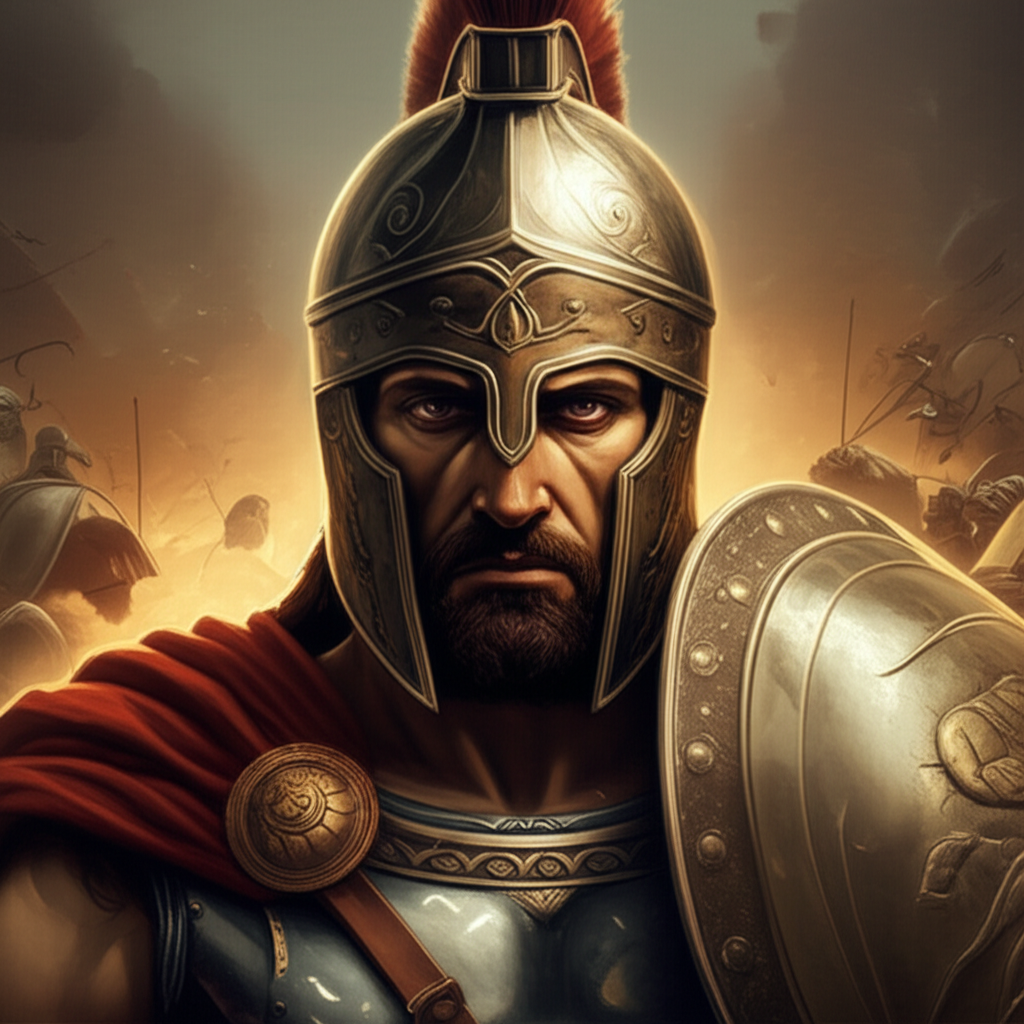
Courage in the Shadow of War and Peace
The context of war and peace profoundly shapes how courage is perceived and exercised.
| Aspect of Courage | In Times of War | In Times of Peace |
|---|---|---|
| Primary Manifestation | Physical bravery, tactical daring, endurance under fire. | Moral fortitude, intellectual honesty, civil disobedience. |
| Nature of Threat | Immediate physical harm, death, defeat. | Social ostracism, economic hardship, reputational damage. |
| Philosophical Emphasis | Aristotle's 'mean' for military action, Machiavelli's 'virtù' for military leadership. | Plato's 'courage of conviction,' Stoic endurance of hardship. |
| Relation to Emotion | Overcoming fear of death/injury. | Overcoming fear of judgment, isolation, or failure. |
Even when the guns fall silent, courage remains indispensable. The courage to rebuild, to forgive, to seek justice, or to challenge prevailing injustices during peacetime requires a different, yet equally profound, strength of character. Tolstoy's War and Peace offers a sprawling canvas where courage is examined not just in grand battles but in the quiet endurance of individuals through immense societal upheaval and personal suffering.
Virtue, Vice, and the Spectrum of Bravery
Understanding courage necessitates distinguishing it from its counterfeits and its opposites. It is firmly rooted in the classical understanding of virtue and vice.
Courage as a Cardinal Virtue
Throughout the Great Books, courage is consistently presented as a foundational virtue, often grouped with temperance, wisdom, and justice. Its characteristics include:
- Rationality: It is a deliberate choice, not an impulsive reaction.
- Purpose: It is directed towards a noble or just end.
- Endurance: It involves not only facing danger but also persisting through hardship.
- Self-mastery: It requires control over one's fears and impulses.
The Vices of False Courage
Just as there is true courage, there are also its deceptive imitators, which are, in fact, vices:
- Rashness: Acting without proper consideration of danger, often fueled by recklessness or ignorance. A soldier charging heedlessly into an ambush, risking their life and the lives of their comrades unnecessarily, demonstrates rashness, not courage.
- Foolhardiness: A lack of appropriate fear, often stemming from overconfidence or an inability to perceive danger.
- Bravado: An outward show of courage intended to impress others, rather than a genuine internal fortitude. This often masks underlying fear.
- Cowardice: The direct opposite, characterized by an excessive fear that leads to inaction or retreat when action is required.
These distinctions are vital, as they underscore that courage is not merely an act but a disposition, a habit of character cultivated through reason and moral will.
The Enduring Legacy of Courage
From the ancient battlefields of Troy and Marathon to the reflections on modern conflict, the philosophical inquiry into "The Essence of Courage in Battle" remains profoundly relevant. It reminds us that while the circumstances of war and peace may change, the fundamental human encounter with fear, the choice to act with virtue over vice, and the mastering of emotion are timeless aspects of what it means to be truly courageous. This ancient virtue continues to inspire and challenge us, both on and off the battlefield, urging us to understand ourselves better in the face of adversity.
📹 Related Video: ARISTOTLE ON: The Nicomachean Ethics
Video by: The School of Life
💡 Want different videos? Search YouTube for: ""Aristotle Nicomachean Ethics Courage Explained""
📹 Related Video: PLATO ON: The Allegory of the Cave
Video by: The School of Life
💡 Want different videos? Search YouTube for: ""Plato's Laches: What is Courage?""