

... with gentle acts of kindness.
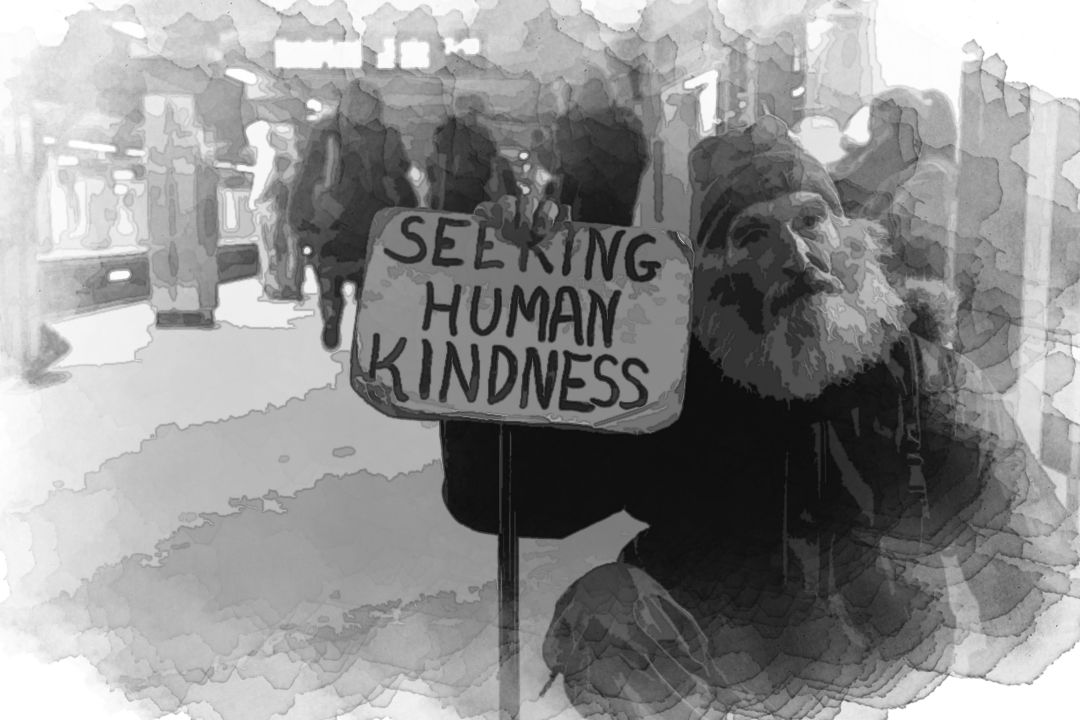
Seeking Human Kindness
A serene and timeless garden, bathed in a soft, ethereal light, serves as the meeting place. Stone benches sit beneath the gentle sway of willow trees. Sophia, the personification of Wisdom, is seated on one, her presence calm and luminous. She is soon joined by two thoughtful figures who emerge from the light: Alexander and Georg.
Sophia: Welcome, friends. I am glad you could come. The air in the mortal world is thick with a familiar question, one that echoes through every generation. They are still searching for the wellspring of their own compassion.
The proper study of Mankind is Man.
— Alexander Pope (1688-1744)
Alexander: (A wry, knowing smile plays on his lips as he sits.) They always are, Sophia. And they always look in the wrong places. They look to gods, to systems, to grand ideologies. They will write volumes on economics and empires, but they neglect the most immediate and vital subject of their inquiry.
Sophia: And what is that, Alexander?
Alexander: Themselves. The single, complex, contradictory human being. If one truly wishes to understand the capacity for kindness or cruelty, one must not gaze at the stars but at the mirror. All of humanity’s potential for grace and for wickedness is contained therein. The proper focus of all our searching must begin and end with the study of what it means to be human.
Georg: (He takes a seat opposite them, his gaze distant, as if viewing a vast historical panorama.) A necessary starting point, Alexander, I concede. The individual is the vessel. But to study a single drop of water is not to understand the tide. You see the actor, I see the stage upon which a grand play unfolds across all of time.
Sophia: Explain your meaning, Georg.
Georg: Humanity’s story is not a series of disconnected moments or random acts of virtue and vice. It is a vast, unfolding narrative. And the plot of this story, the great engine driving it forward, is the ever-expanding realization of what it means to be free. History is the chronicle of a consciousness slowly awakening to itself. Early tribes had one free man; great empires had a few. Now, we wrestle with the idea that all are born to be free.
Alexander: And yet, I see the same follies played out with new technologies. A man with a sword and a man with a drone can be motivated by the same primitive greed. Has the human heart truly changed, or merely its tools and its vocabulary? Your grand narrative of freedom seems to be perpetually undermined by the unchanging flaws of the individual.
Georg: You mistake the turbulence of the journey for a lack of direction. The abolition of slavery, the concept of universal rights, the very notion that a stranger in a distant land is deserving of our empathy—these are not trivial changes! They are profound shifts in collective awareness. This blossoming of freedom is what creates the space for a more universal kindness to even be conceived, let alone practiced. Kindness cannot flourish in a world where we do not first recognize the other as a free and equal self.
Sophia: (She raises a hand, her voice a gentle harmony that bridges their two perspectives.) You are both speaking the truth. You are merely describing the inner and outer faces of the same quest.
The history of the world is none other than the progress of the consciousness of freedom.
— Georg Wilhelm Friedrich Hegel (1770-1831)
She turns to Alexander.
Sophia: You are right, Alexander. Without the intimate and honest examination of the human soul, all grand theories are but castles in the sky. Kindness must be born from self-knowledge. To understand why we help, we must also understand why we harm. That is the foundational work.
She then turns to Georg.
Sophia: And you are right, Georg. That individual soul does not exist in a vacuum. It is shaped by the great current of history. The very freedom to choose kindness, to see a stranger as a brother and not a threat, is a consciousness that has been painstakingly built over millennia. The progress of freedom is the tilling of the soil, making the world more fertile for the seeds of compassion to grow.
She looks at them both, her expression one of profound synthesis.
Sophia: Therefore, seeking human kindness is a dual task. It requires the courage to look inward, as Alexander insists, at the complex machinery of a single heart. And it requires the wisdom to look outward, as Georg perceives, to understand our place in the long, arduous journey toward a more conscious and liberated world. One cannot succeed without the other. The study of Man teaches us what we are, and the progress of Freedom shows us what we might yet become.
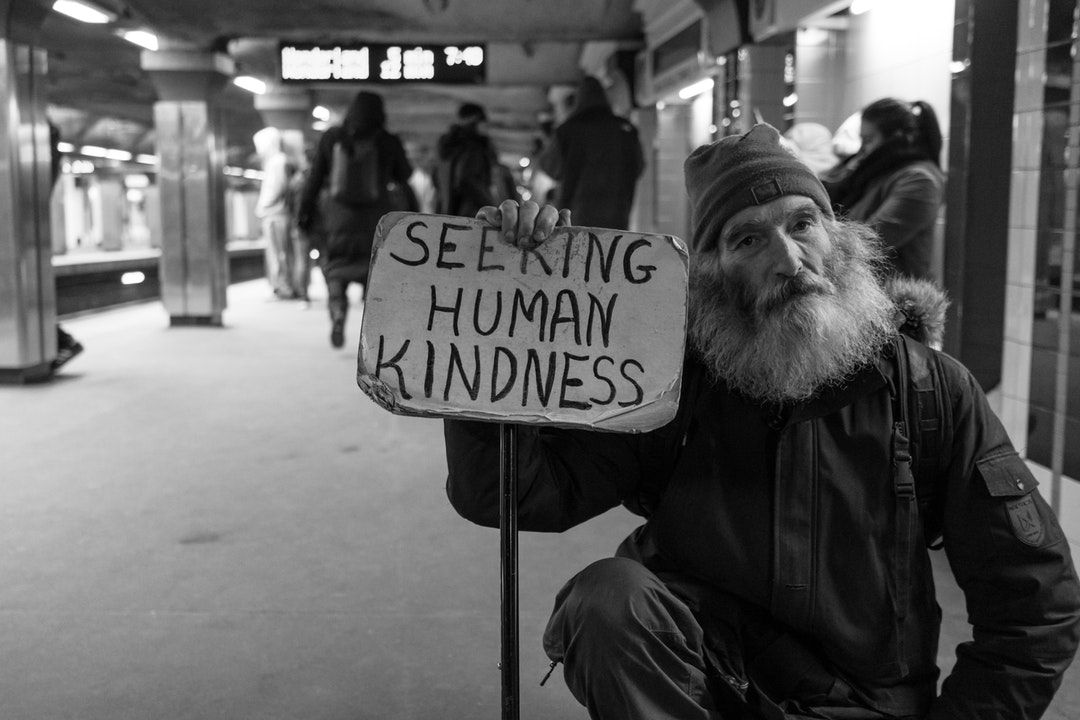
The planksip Writers' Cooperative is proud to sponsor an exciting article rewriting competition where you can win part of over $750,000 in available prize money.
Figures of Speech Collection Personified
Our editorial instructions for your contest submission are simple: incorporate the quotes and imagery from the above article into your submission.
What emerges is entirely up to you!
Winners receive $500 per winning entry multiplied by the article's featured quotes. Our largest prize is $8,000 for rewriting the following article;
 Heraclitus
At planksip, we believe in changing the way people engage—at least, that's the Idea (ἰδέα). By becoming a member of our thought-provoking community, you'll have the chance to win incredible prizes and access our extensive network of media outlets, which will amplify your voice as a thought leader. Your membership truly matters!