

The Guiding Hand: The Role of Prudence in Decision Making
In the labyrinth of human existence, where choices abound and consequences ripple, the virtue of prudence emerges as an indispensable guide. Far from mere caution or timidity, prudence is the intellectual virtue that enables us to deliberate well about what is good for us, not in some abstract sense, but in the concrete circumstances of daily life. It is the practical wisdom that illuminates the path to right action, integrating our intellect with our will to ensure our judgment is sound and our actions are aligned with our ultimate well-being. Without prudence, even the noblest intentions can lead to folly, making it, as Aristotle and Aquinas taught, the "charioteer of the virtues," directing all others towards their proper ends.
Understanding Prudence: Practical Wisdom in Action
Often misunderstood as simple conservatism or hesitant inaction, prudence is, in fact, an active and dynamic intellectual virtue. Rooted in the Greek phronesis, it is the capacity for practical wisdom – the ability to discern the appropriate course of action in a given situation. This isn't theoretical knowledge; it's knowledge applied to action, bridging the gap between universal principles and particular circumstances.
- Beyond Mere Caution: Prudence is not just about avoiding danger, but about actively seeking the good. It requires foresight, an understanding of consequences, and the courage to act decisively when the situation demands it.
- Intellect and Morality Intertwined: Unlike purely intellectual virtues like scientific knowledge, prudence is inherently moral. It doesn't just tell us how to achieve a goal, but helps us determine what goal is truly good to pursue. It guides our desires and ensures our actions serve our true flourishing.
The Multifaceted Nature of Prudent Judgment
The journey to a prudent decision is not a simple step but a complex interplay of various intellectual faculties and dispositions. Drawing from the rich tradition of the Great Books of the Western World, particularly the works of Aristotle and Thomas Aquinas, we can delineate several key components that contribute to sound judgment:
Essential Components of Prudence
| Component | Description |
|---|---|
| Memory (Memoria) | The ability to draw upon past experiences and learn from them, both successes and failures. |
| Understanding (Intelligentia) | Grasping the fundamental principles and the nature of the present situation without bias. |
| Docility (Docilitas) | Openness to learn from others, especially those with more experience or different perspectives. |
| Shrewdness (Solertia) | Quickness of apprehension; the ability to grasp the essentials of a situation rapidly. |
| Reasoning (Ratio) | The capacity for logical deliberation, weighing alternatives, and considering various courses of action. |
| Foresight (Providentia) | Anticipating the potential consequences of actions, both immediate and long-term. |
| Circumspection (Circumspectio) | Considering all relevant circumstances and potential side effects before acting. |
| Caution (Cautio) | The ability to foresee and avoid potential obstacles or evils. |
| Judgment (Iudicium) | The culmination of deliberation, leading to a sound determination of the best course of action. |
| Will (Voluntas) | The resolute commitment to execute the chosen action, overcoming inertia or fear. |
Each of these elements contributes to the holistic process of prudent judgment. For instance, a person with great foresight but lacking docility might overlook crucial details, while someone with excellent memory but no will to act effectively remains paralyzed.
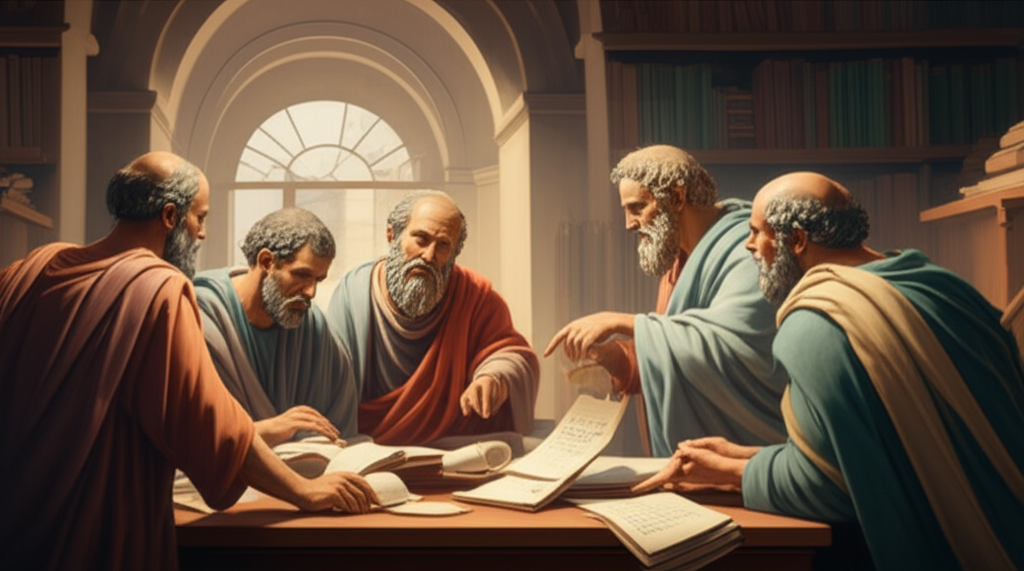
Prudence as the "Charioteer of the Virtues"
Aristotle famously asserted that prudence is the "charioteer of the virtues," meaning it directs and perfects all other moral virtues. Courage, temperance, and justice, while noble in themselves, require prudence to manifest appropriately.
- Prudence and Courage: It's not courageous to rush headlong into danger without assessing the risks. Prudence helps us determine when and how to be brave, ensuring our courage is not recklessness.
- Prudence and Temperance: Temperance is about moderation, but what constitutes moderation in a specific instance? Prudence guides us in determining the appropriate balance in our desires and pleasures.
- Prudence and Justice: Knowing what is due to whom is a matter of justice, but applying this principle fairly in complex situations requires careful judgment and deliberation guided by prudence.
Without prudence, other virtues can become vices. Courage can become foolhardiness, temperance can become apathy, and justice can become rigid dogmatism. It is prudence that ensures these virtues are exercised rightly, in the right measure, and at the right time.
Cultivating Prudence in Modern Decision Making
In an age of information overload and instant gratification, the cultivation of prudence is more vital than ever. It demands a pause, a reflection, and a commitment to thoughtful judgment rather than impulsive reaction.
- Embrace Deliberation: Resist the urge for immediate decisions. Take time to gather information, consider alternatives, and weigh potential consequences. This is where the will to slow down and think becomes crucial.
- Learn from Experience (and Others): Actively reflect on past choices – what worked, what didn't, and why. Be open to the wisdom of others, especially mentors or those with diverse perspectives.
- Practice Self-Awareness: Understand your own biases, strengths, and weaknesses. Prudence requires an honest assessment of oneself to avoid self-deception in decision-making.
- Seek Clarity on Goals: Before acting, be clear about what you are trying to achieve and whether that goal is truly good and aligned with your values. Prudence helps define the right ends.
- Develop Foresight: Regularly engage in "what if" scenarios. Think through the potential ripple effects of your actions, not just the immediate outcomes.
By consciously nurturing these habits, we can strengthen our capacity for prudent judgment and navigate the complexities of life with greater wisdom and effectiveness.
Conclusion: The Enduring Relevance of Prudence
The role of prudence in decision making is not merely a philosophical nicety; it is the bedrock of a well-lived life, both individually and collectively. From the personal choices we make daily to the grand strategies of nations, the quality of our outcomes hinges on the sagacity of our judgment. By embracing prudence, we cultivate the practical wisdom necessary to integrate our intellect and our will, transforming abstract ideals into concrete, virtuous actions. In doing so, we not only make better decisions but also contribute to a more thoughtful, just, and flourishing world.
YouTube Video Suggestions:
-
📹 Related Video: ARISTOTLE ON: The Nicomachean Ethics
Video by: The School of Life
💡 Want different videos? Search YouTube for: "Aristotle Nicomachean Ethics Prudence Phronesis"
-
📹 Related Video: ARISTOTLE ON: The Nicomachean Ethics
Video by: The School of Life
💡 Want different videos? Search YouTube for: "Thomas Aquinas Summa Theologica Prudence Virtue"