

The Emotional Symphony of Beauty: Why We Feel What We See
Our encounter with beauty is rarely a purely intellectual exercise. Instead, it's a visceral, deeply personal experience, a symphony of feelings that resonate within us. From the awe inspired by a majestic landscape to the poignant stirrings evoked by a piece of music, emotion is not merely a byproduct of beauty; it is central to its very definition and our apprehension of it. This article explores how our feelings shape, interpret, and ultimately define our aesthetic experiences, arguing that to understand beauty is to understand the emotions it evokes.
The Heartbeat of Aesthetics: Emotion as the Core of Beauty
At its most fundamental, our appreciation of beauty is an emotional response. It's the thrill of recognition, the calm of harmony, the jolt of the sublime. Without this emotional resonance, an object or experience, no matter how perfectly formed, might remain merely interesting, but never truly beautiful. This isn't to say that objective qualities don't exist, but rather that our subjective emotional landscape acts as the filter through which these qualities are perceived and valued. It's the sense of wonder, the sense of peace, the sense of awe that transforms mere observation into an aesthetic experience.
The Subjective Lens: How Emotions Color Our Perceptions
Every individual brings a unique tapestry of experiences, memories, and sensitivities to their engagement with Art and the world. This personal history profoundly influences which emotions are triggered and how intensely they are felt. What one person finds exquisitely beautiful, another might find merely pleasant, or even unsettling. This divergence highlights the subjective nature of aesthetic judgment, where our feelings act as the primary arbiters. A piece of Art that evokes nostalgia in one person due to a past association will be experienced differently by someone without that memory, demonstrating how deeply personal the emotional component of beauty is.
Art as an Emotional Conduit: Bridging Feeling and Form
Art in its myriad forms — painting, music, literature, dance — is perhaps the most direct and potent medium for evoking emotion. Artists consciously or unconsciously manipulate elements like color, rhythm, narrative, and form to elicit specific feelings from their audience. The melancholic strains of a symphony, the vibrant joy of an impressionist painting, or the profound sadness of a tragic play are all designed to tap into our emotional reservoirs.
When we engage with Art, we don't just observe; we participate emotionally. This participation is what elevates a mere depiction to a profound aesthetic experience. The artist's skill lies not just in technical execution, but in their ability to translate an idea or feeling into a form that can then re-awaken a similar or complementary emotion in the viewer or listener.
Table: Emotional Responses to Art Forms
| Art Form | Common Emotional Responses | Role of Emotion in Beauty |
|---|---|---|
| Painting | Awe, calm, joy, melancholy, wonder | Interpretive, Evocative |
| Music | Euphoria, sadness, excitement, peace | Expressive, Transformative |
| Literature | Empathy, suspense, relief, reflection | Narrative, Connective |
| Sculpture | Admiration, contemplation, power | Tangible, Inspiring |
| Architecture | Grandeur, comfort, awe, belonging | Environmental, Functional |
Echoes from the Great Books: Philosophical Perspectives on Emotion and Beauty
The relationship between emotion and beauty has been a recurring theme throughout the history of philosophy, extensively explored in the Great Books of the Western World.
- Plato, while asserting Beauty as an objective Form, nonetheless acknowledged its capacity to stir the soul, drawing us towards the divine. He recognized the sense of longing and love that true beauty could inspire, acting as a gateway to higher truths.
- Later, in the Enlightenment, David Hume famously declared that "Beauty is no quality in things themselves: It exists merely in the mind which contemplates them." For Hume, beauty was fundamentally a matter of sentiment and feeling, an emotion of pleasure evoked in the observer.
- Edmund Burke, in his Philosophical Enquiry into the Origin of Our Ideas of the Sublime and Beautiful, meticulously detailed how different emotions underpin our experience of the beautiful (associated with pleasure, love, and delicacy) and the sublime (associated with awe, terror, and vastness). For Burke, these powerful feelings were the very foundation of aesthetic judgment.
- Even Immanuel Kant, who sought a more universal basis for aesthetic judgment in his Critique of Judgment, conceded that the feeling of pleasure (or displeasure) was essential to the judgment of beauty, though he distinguished between mere subjective pleasure and a "disinterested" pleasure that he believed approached universality.
These thinkers, despite their diverse approaches, converge on the idea that our feelings are not incidental to beauty, but rather integral to its perception and understanding.
The Transformative Power of Aesthetic Emotion
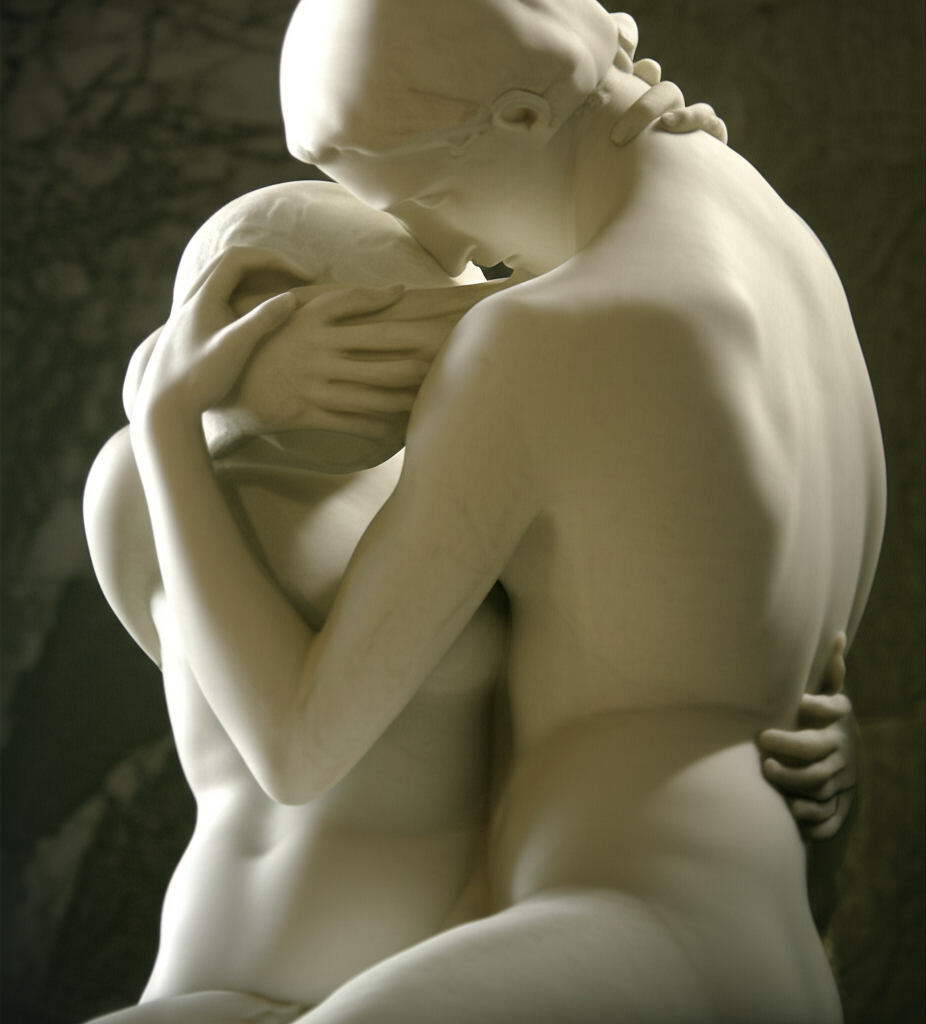
When we are moved by beauty, it's more than just a fleeting pleasantry. The emotions evoked can be profoundly transformative. They can challenge our perspectives, deepen our empathy, and connect us to something larger than ourselves. The awe inspired by a natural wonder can humble us; the poignancy of a masterpiece can foster introspection; the joy of a vibrant performance can uplift our spirits. This power to move, to inspire, to connect, is precisely why beauty holds such a significant place in human experience. It reminds us that our sense of the world is not just rational, but deeply emotional and profoundly meaningful.
Ultimately, the role of emotion in aesthetics is not just about what we feel when we encounter beauty, but how those feelings shape our understanding of ourselves and our place in the world. It is through our emotional responses that beauty becomes not just an external phenomenon, but an internalized, cherished part of our human experience.
YouTube Video Suggestions:
-
📹 Related Video: What is Philosophy?
Video by: The School of Life
💡 Want different videos? Search YouTube for: ""Aesthetics Philosophy Emotion Beauty""
2. ## 📹 Related Video: PLATO ON: The Allegory of the Cave
Video by: The School of Life
💡 Want different videos? Search YouTube for: ""Edmund Burke Sublime Beautiful Explained""