

The Rise of the Underdog
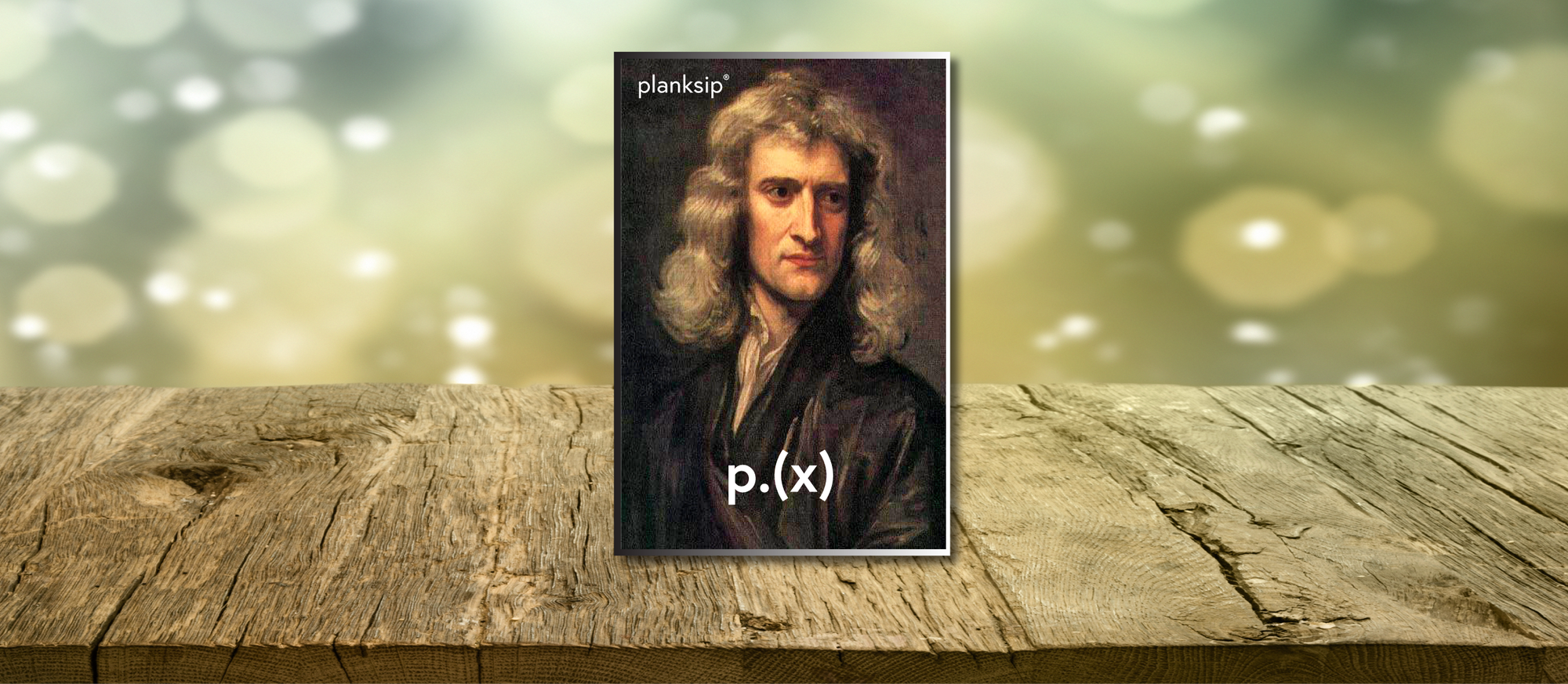
Möbius Methods
Sophia: Today we explore strategy, courage, and the twisting pathways of action—what I call Möbius Methods. Tell me, what makes a hero truly effective in both mind and body?
Mary Renault: Sophia, in portraying Theseus, I emphasized the duality of his character. He was a light-weight, quick and agile, yet aggressive and brave. His strength lay not in brute force, but in wit, timing, and a keen awareness of the underdog.
Sophia: So his genius was in the interplay of paradox—both vulnerable and formidable, both cunning and courageous. A Möbius strip of character, in which the edges of opposition and self merge seamlessly.
Theseus: Indeed. Men who hover over their opponents need not master wrestling; they rely on intimidation. I learned that survival often favors agility, ingenuity, and audacity over sheer size or reputation.
Renault: Exactly. Theseus’ feats echo Herakles’, but with subtlety. His small stature and quick mind overcompensate not out of vanity alone, but necessity. In him, we see the evolution of heroism through cleverness rather than mere might.
Sophia: And this is the essence of Möbius Methods: action that folds back on itself. The strategist must be both participant and observer, aggressor and protector, bold yet mindful of limits.
Men who hover over their opponents have no cause to evolve a science of wrestling, and Theseus is conventionally shown in combat with hulking of monstrous enemies, living by his wits.
— Quotes about Theseus (Hero)
The tradition that he emulated the feats of Herakles may well embalm some ancient sneer at the over-compensation of a small assertive man. Napoleon comes to mind. If one examines the legend in this light, a well-defined personality emerges. It is that of a light-weight; brave and aggressive, physically tough and quick; highly sexed and rather promiscuous; touchily proud, but with a feeling for the underdog; resembling Alexander in his precocious competence, gift of leadership, and romantic sense of destiny.
— Mary Renault, on her portrayal of Theseus in her books, in The King Must Die (1958), "Author's Note", p. 333
Theseus: Leadership, too, demands this paradox. One must inspire, yet navigate the dangers of pride and overreach. Even a hero must anticipate the twists where success and peril intertwine.
Renault: And in myth, in literature, and in life, we recognize this pattern. Greatness often emerges from those who balance contradictions: strength with tact, aggression with empathy, ambition with humility.
Sophia: So the Möbius Methods are not just techniques of combat—they are ways of living, thinking, and leading. The path of the hero, like the strip itself, has no true boundary; it loops back, teaching us that mastery lies in harmonizing opposites.
Theseus: Then let every encounter, every struggle, become a lesson in motion, a twist in the endless loop where courage, cunning, and conscience converge.
Sophia: Precisely. The hero is not defined by the monsters he faces, but by the artful unity of his mind, body, and spirit—forever looping, forever learning.
The planksip Writers' Cooperative is proud to sponsor an exciting article rewriting competition where you can win over $750,000 in prize money.
Figures of Speech Collection Personified
Our editorial instructions for your contest submission are simple: incorporate the quotes and imagery from the above article into your submission.
What emerges is entirely up to you!
Winners receive $500 per winning entry multiplied by the article's featured quotes. Our largest prize is $8,000 for rewriting the following article;
 Heraclitus
At planksip, we believe in changing the way people engage; at least, that's the Idea (ἰδέα). By becoming a member of our thought-provoking community, you'll have the chance to win incredible prizes and access our extensive network of media outlets that will amplify your voice as a thought leader. Your membership truly matters!