

The Indispensable Virtue: Examining the Necessity of Courage in War
In the grim calculus of human conflict, courage emerges not merely as an admirable trait, but as an absolute necessity. This article explores the profound philosophical underpinnings of courage in the context of war, drawing from the enduring wisdom of the Great Books of the Western World. We contend that courage, far from being a mere emotional impulse, is a rational and moral imperative, intrinsically linked to our understanding of duty, the necessity and contingency of conflict, and the very possibility of navigating the devastating realities of war and peace. Without it, the fabric of defense, the pursuit of justice, and even the hope for a lasting peace unravels.
Courage: A Virtue Forged in the Crucible of Conflict
The concept of courage has captivated philosophers since antiquity. For Plato, in dialogues like the Laches, courage is posited as a form of knowledge – the knowledge of what is truly to be feared and what is not. It’s not simply fearlessness, which can be born of ignorance or madness, but a reasoned understanding of danger coupled with a resolute will to act. Aristotle, in his Nicomachean Ethics, further refines this, positioning courage as a mean between the extremes of rashness and cowardice. The truly courageous person faces danger for a noble cause, in the right way, and at the right time.
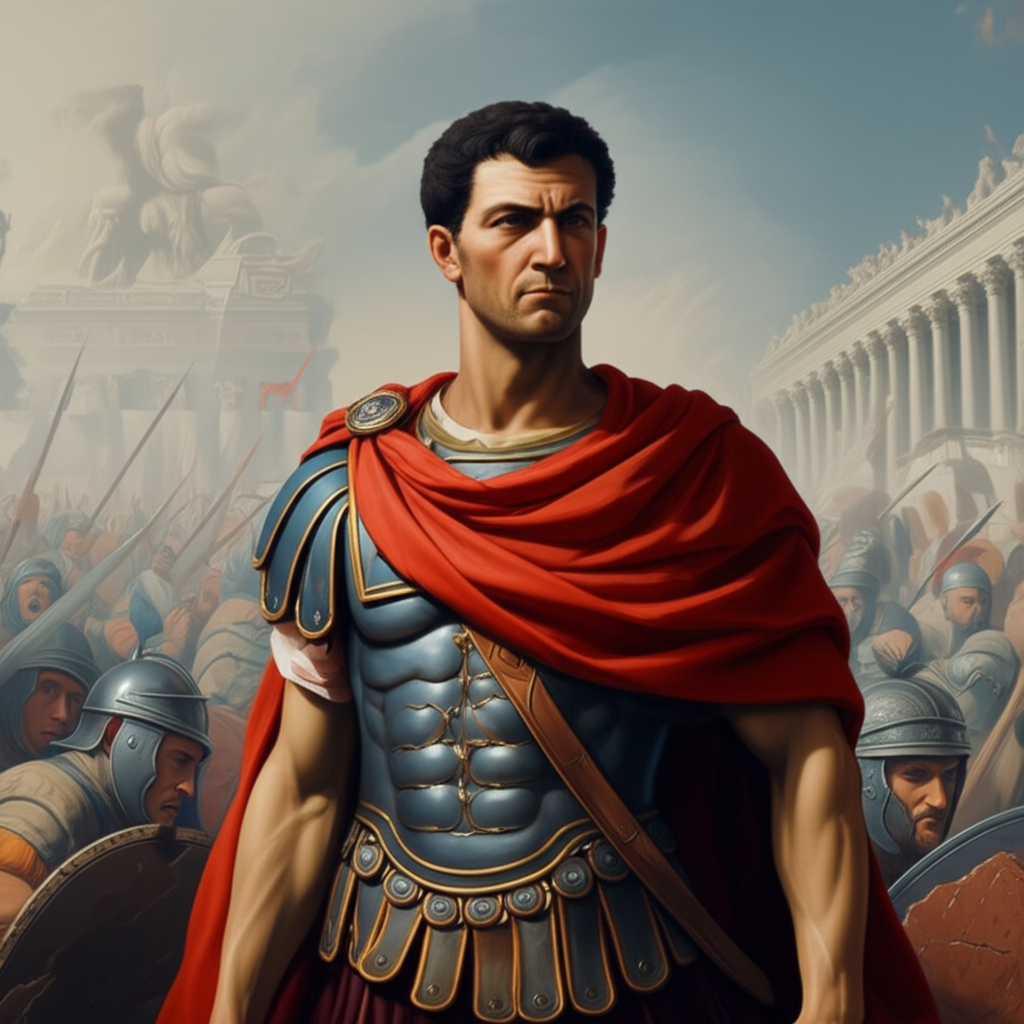
In war, this philosophical understanding takes on a visceral, undeniable weight. It is not the reckless charge of the fool, nor the paralyzed retreat of the coward, but the steady resolve of those who confront overwhelming odds, knowing the peril, yet choosing to stand their ground. This virtue is not a luxury; it is the fundamental psychological and moral bulwark against the inherent chaos and terror of battle.
The Necessity of Courage in the Face of Contingency
War, more often than not, arises from contingent circumstances – a confluence of political miscalculations, economic pressures, or ideological clashes. It is rarely a predetermined outcome, yet once unleashed, it imposes a necessity upon those caught within its maelstrom. It is in this crucible of contingent origins and necessary responses that courage proves indispensable.
- Responding to the Unforeseen: The battlefield is a realm of radical uncertainty. Plans unravel, allies fall, and the enemy's actions are often unpredictable. Courage provides the mental fortitude to adapt, to persevere when the unexpected occurs, and to make critical decisions under extreme duress.
- Maintaining Order Amidst Chaos: Without courage, the individual soldier, and by extension, the collective unit, succumbs to panic. The disciplined ranks dissolve, and the strategic objective becomes unattainable. Courage, therefore, is a cohesive force, a silent covenant among warriors that binds them together in the face of dissolution.
It is a profound irony that while war itself may be contingent, the demand for courage within it is absolute. The necessity of this virtue is not merely for victory, but for survival, for upholding principles, and for minimizing the suffering that war inevitably brings.
Duty and the Burden of the Warrior
Beyond personal bravery, courage in war is inextricably linked to the concept of duty. Whether it is the duty to one's comrades, to one's nation, or to a higher moral principle, the act of confronting danger is often framed as a fulfillment of an obligation. Immanuel Kant's philosophy, though not directly addressing warfare, underscores the moral imperative of acting from duty, not merely in accordance with it. For the soldier, courage becomes the practical manifestation of this duty in the most extreme circumstances.
Consider the following aspects of this connection:
- Loyalty and Sacrifice: Courage enables individuals to place the well-being of their unit or mission above their own immediate safety. This self-sacrifice, born of courage and duty, is the bedrock of military cohesion.
- Upholding Justice: In conflicts fought for just causes, courage is the active instrument of defending the innocent, resisting tyranny, and preserving freedom. It is the practical expression of a moral stand.
- The Weight of Command: Leaders, from the lowest non-commissioned officer to the supreme commander, bear the immense duty of making life-or-death decisions. Their courage is not just physical, but moral – the fortitude to send others into harm's way, to accept responsibility for devastating outcomes, and to maintain resolve in the face of overwhelming pressure.
Beyond the Battlefield: Courage for War and Peace
While often associated with the battlefield, the necessity of courage extends far beyond the immediate engagement. It is a virtue critical for navigating the broader landscape of war and peace.
- Courage in Diplomacy: Ending a war often requires a different kind of courage – the courage to compromise, to negotiate with former adversaries, and to make difficult concessions for the sake of lasting peace. It demands overcoming historical animosities and personal grievances.
- Courage in Leadership: The decision to go to war, or to avoid it, requires immense moral courage. Leaders must weigh the costs in human lives against strategic imperatives and moral principles. This is a courage of conviction, foresight, and accountability.
- Courage in Peacemaking: Rebuilding societies shattered by conflict, fostering reconciliation, and addressing the root causes of violence demand sustained, often unsung, courage from individuals and communities alike. This is the courage to forgive, to rebuild, and to hope.
In conclusion, courage is not merely a desirable quality for heroes; it is a fundamental necessity that underpins the very possibility of human agency in the face of organized violence. It is the virtue that transforms the contingency of conflict into an opportunity for duty and purpose, ultimately shaping the trajectory of war and peace. From the ancient battlefields described by Thucydides to the modern theaters of conflict, the lessons of courage remain timeless and indispensable.
YouTube Video Suggestions:
-
📹 Related Video: PLATO ON: The Allegory of the Cave
Video by: The School of Life
💡 Want different videos? Search YouTube for: ""Plato Laches Courage Explained""
2. ## 📹 Related Video: ARISTOTLE ON: The Nicomachean Ethics
Video by: The School of Life
💡 Want different videos? Search YouTube for: ""Aristotle Nicomachean Ethics Virtue of Courage""