

The Unfolding Mystery: God, Theology, and the Enduring Quest for Understanding
The concept of God has, perhaps more than any other single idea, shaped human civilization, philosophy, and our very understanding of existence. It is a notion that transcends mere belief, inviting a profound and often challenging journey into Theology – the systematic study of the divine – and demanding the most rigorous forms of Reasoning. In this supporting article, we’ll delve into the intricate relationship between our attempts to comprehend the nature of God, the structured inquiry of theology, and the indispensable role of human reason, exploring why this intellectual and spiritual pursuit remains as vital today as it was for the great thinkers whose works form the bedrock of Western thought. It's a journey not just for the devout, but for anyone grappling with the fundamental questions of reality and meaning that underpin all Religion.
The Enduring Question: What is God?
From the earliest myths to the most sophisticated metaphysical treatises, humanity has grappled with the notion of a supreme being, a first cause, or an ultimate reality. What is God? Is God a personal deity, an impersonal force, the ground of all being, or merely a projection of human desire? The answers, as varied as the cultures that propose them, highlight the immense scope of this philosophical and theological inquiry.
Consider the ancient Greeks, whose philosophical inquiries, extensively documented in the Great Books of the Western World, laid crucial groundwork. Plato, for instance, spoke of a divine craftsman, the Demiurge, shaping the cosmos according to eternal Forms, while Aristotle posited a Prime Mover, an unmoved mover that initiates all motion without itself moving, acting as a final cause to which all things aspire. These early philosophical conceptions, though distinct from later monotheistic interpretations, demonstrate humanity’s innate drive to identify an ultimate principle of order and existence.
Theology: The Discipline of Divine Inquiry
Theology is often mistakenly perceived as solely an exercise in faith. While faith certainly plays a role in many theological traditions, theology itself is a rigorous academic discipline that employs philosophical and critical reasoning to understand the divine. It seeks to systematically explore the nature, attributes, and actions of God, as well as God's relationship with humanity and the cosmos.
Think of figures like St. Augustine of Hippo or St. Thomas Aquinas, whose monumental works, central to the Great Books, are prime examples of sophisticated theological reasoning. Augustine, in works like Confessions and City of God, wrestled with questions of evil, free will, and the nature of time in relation to an omnipotent God. Aquinas, in his Summa Theologica, meticulously applied Aristotelian logic to Christian doctrine, attempting to demonstrate the existence of God through various arguments and systematically defining divine attributes.
Key Areas of Theological Reasoning:
- Metaphysics: Investigating God's being, essence, and existence.
- Epistemology: How we can know God, through revelation, reason, or experience.
- Ethics: Understanding divine commands, moral law, and God's justice.
- Cosmology: God's role in creation and the natural order.
Reasoning with the Divine: Faith, Logic, and the Limits of Understanding
The relationship between reasoning and the concept of God is one of the most fertile and contentious grounds in philosophy. Can God's existence be proven through logic alone? Or is belief in God fundamentally a matter of faith, transcending rational demonstration?
Philosophers and theologians have developed various arguments for God's existence, each relying on different forms of reasoning:
- The Ontological Argument: An a priori argument, famously articulated by St. Anselm and later by Descartes, which attempts to prove God's existence from the very concept of God as "that than which no greater can be conceived." The idea is that if God is perfect, God must exist, because existence is a perfection.
- The Cosmological Argument: An a posteriori argument, championed by Aquinas, which reasons from the existence of the universe (its contingency, causation, or motion) to a necessary first cause or uncaused cause, which is identified as God.
- The Teleological Argument (Argument from Design): Also a posteriori, this argument points to the apparent order, complexity, and purpose in the natural world as evidence for an intelligent designer, i.e., God.
- The Moral Argument: Proposed by Kant, this argument suggests that the existence of objective moral laws and the human conscience implies a moral lawgiver, God, who ensures ultimate justice.
These arguments, while not universally accepted, showcase the profound human desire to apply intellect to the greatest of mysteries. Even those who argue against the existence of God, such as David Hume or Friedrich Nietzsche, often do so with equally rigorous philosophical reasoning, engaging directly with the theological propositions they seek to refute.
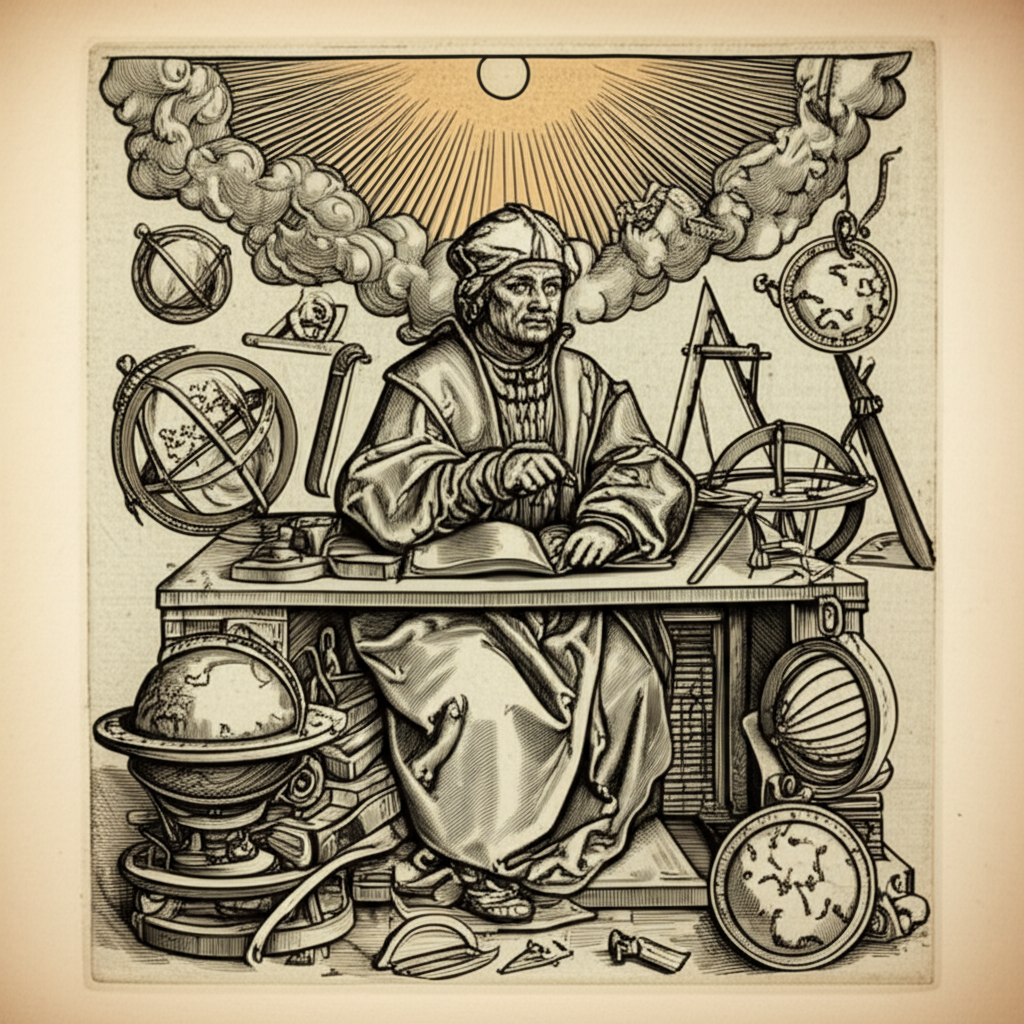
Religion: The Lived Experience of the Divine
While God, Theology, and Reasoning form the intellectual backbone of our inquiry, Religion represents the lived, communal, and often deeply personal experience of these concepts. Religions provide frameworks for understanding the divine, moral codes, rituals, and a sense of belonging and purpose. They translate abstract theological ideas into concrete practices and narratives that guide human lives.
The interplay is dynamic: theological reasoning informs religious doctrine, which in turn shapes the practices and beliefs of adherents. Conversely, religious experiences and traditions often pose new questions for theological inquiry, pushing the boundaries of what reason can articulate about the divine. This ongoing dialogue is not just academic; it profoundly impacts individuals and societies, influencing everything from art and literature to law and ethics.
The Unending Dialogue
The nature of God and the processes of theological reasoning are not static subjects; they are ongoing dialogues that continue to evolve with human understanding. From the foundational texts of the Great Books of the Western World to contemporary philosophical debates, the quest to understand God remains one of humanity’s most persistent and profound endeavors. It challenges our assumptions, expands our intellectual horizons, and forces us to confront the deepest questions about ourselves and the universe.
So, where do we go from here? The journey into the nature of God, navigated through the lens of theology and the tools of reasoning, is an invitation to continuous inquiry. It’s about asking the hard questions, embracing intellectual humility, and perhaps, discovering that the most profound answers lie not in definitive pronouncements, but in the very act of seeking.
📹 Related Video: KANT ON: What is Enlightenment?
Video by: The School of Life
💡 Want different videos? Search YouTube for: ""Aquinas Five Ways Explained""
📹 Related Video: KANT ON: What is Enlightenment?
Video by: The School of Life
💡 Want different videos? Search YouTube for: ""Ontological Argument Debate""