

The Nature of Courage in Civic Life
Summary:
This article explores the multifaceted nature of courage not merely as physical bravery but as an indispensable citizen virtue in a thriving civic life. Drawing upon the profound insights from the Great Books of the Western World, we delve into how courage manifests as a moral and intellectual fortitude, essential for upholding democratic principles, speaking truth to power, and fulfilling one's duty to the common good. We argue that civic courage is the bedrock upon which justice and societal progress are built, demanding a steadfastness of character in the face of adversity, apathy, or popular disapproval.
Beyond the Battlefield: Defining Courage in the Polis
When we speak of courage, our minds often conjure images of valor on the battlefield or heroic acts of physical bravery. Yet, the nature of courage extends far beyond such dramatic displays. In the context of civic life, courage assumes a more subtle, yet equally vital, form. It is the fortitude required of a citizen to stand firm in their convictions, to advocate for justice, and to uphold the principles upon which a just society is founded, even when faced with significant personal or social cost. This is the courage of the mind and spirit, a necessary precondition for the flourishing of any free society.
The Philosophical Roots of Civic Courage
The foundational texts within the Great Books of the Western World offer timeless perspectives on courage, moving beyond simple daring to a deeper understanding of its ethical and intellectual dimensions.
Plato's Insight: Knowledge and Steadfastness
In Plato's Laches and Republic, courage is not merely an absence of fear, but a form of knowledge—the knowledge of what is truly to be feared and what is not. For Plato, the courageous individual possesses a steadfastness (ἀνδρεία, andreia) of conviction, particularly in holding to the correct beliefs about what is dangerous and what is safe. This intellectual courage is paramount for the citizen, enabling them to discern genuine threats to the polis from mere inconveniences, and to act in accordance with that truth, even when it is unpopular or difficult. It is the courage to see the truth and to stick by it, a fundamental duty of the thoughtful individual.
Aristotle's Virtue: The Mean in Action
Aristotle, in his Nicomachean Ethics, posits courage as a virtue, a mean between the extremes of rashness and cowardice. For him, the courageous person acts for the sake of the noble (τὸ καλόν), enduring fear and facing danger appropriately. In civic life, this translates to the citizen who, rather than recklessly rushing into conflict or passively retreating from challenges, thoughtfully assesses the situation and acts with measured resolve for the good of the community. This Aristotelian understanding underscores the practical wisdom inherent in civic courage – it is not blind defiance, but a principled and intelligent engagement with the world.
Courage as a Civic Virtue: The Citizen's Duty
Civic courage is the engine of a vibrant democracy. It is the willingness to participate, to speak, to challenge, and to defend the principles that allow a society to thrive. Without it, the public sphere becomes susceptible to apathy, tyranny, or the tyranny of the majority.
- The Citizen's Duty to Truth: The courageous citizen feels a profound duty to seek and speak the truth, even when it is inconvenient or unpopular. This often involves questioning authority, challenging prevailing narratives, and demanding accountability from those in power.
- Standing Against Injustice: This form of courage is manifest when individuals risk their comfort, reputation, or even safety to oppose injustice, defend the vulnerable, or fight for the rights of all. It is the courage to say "no" when "yes" would be easier.
- The Courage to Engage: In an increasingly polarized world, civic courage also involves the bravery to engage in respectful dialogue with those holding differing views, to listen, to persuade, and to compromise for the greater good, rather than retreating into ideological silos.
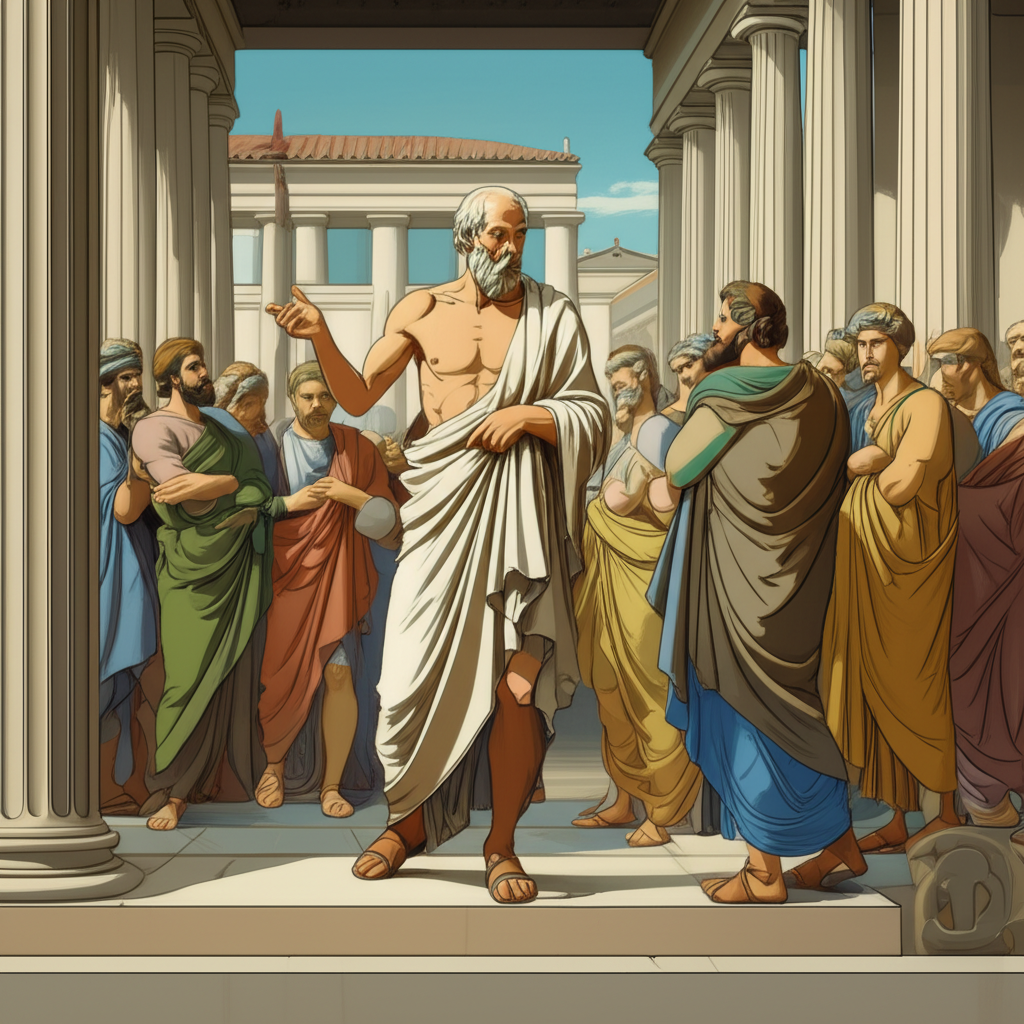
Manifestations of Civic Courage
The exhibition of civic courage takes many forms in daily life, each essential for the health of the polis:
- Speaking Truth to Power: Whether as a whistleblower, a journalist, or an ordinary citizen, this involves exposing corruption or incompetence, despite potential repercussions.
- Defending the Vulnerable: Intervening when others are being mistreated, advocating for marginalized groups, or standing up for those who cannot stand up for themselves.
- Participating in Deliberation: Engaging in public debate, running for office, or volunteering for community service, even when such efforts are time-consuming or thankless.
- Sacrificing Personal Gain for Public Good: Prioritizing the welfare of the community over individual benefit, such as adhering to public health measures or supporting policies that benefit all, even if they incur personal cost.
- Resisting Groupthink: The courage to articulate a dissenting opinion within a consensus-driven group, forcing re-evaluation and potentially preventing collective mistakes.
The Nature of Civic Courage: An Enduring Imperative
The nature of civic courage is inherently intertwined with the pursuit of the good life, both individually and collectively. It is not an impulsive act but a cultivated disposition, reflecting a commitment to justice, reason, and the well-being of the community. It demands self-awareness, a strong moral compass, and a willingness to confront discomfort. As the philosophers of the Great Books remind us, courage is not merely a personal virtue; it is a social necessity, a fundamental duty that empowers citizens to shape their destiny and safeguard the future of their shared world.
In an age often characterized by disengagement and cynicism, the call for civic courage remains as urgent as ever. It is the quality that transforms passive inhabitants into active citizens, ensuring that the ideals of justice and freedom are not just abstract concepts but lived realities.
YouTube Video Suggestions:
-
📹 Related Video: PLATO ON: The Allegory of the Cave
Video by: The School of Life
💡 Want different videos? Search YouTube for: ""Plato Aristotle Courage Virtue Ethics Civic Life""
-
📹 Related Video: What is Philosophy?
Video by: The School of Life
💡 Want different videos? Search YouTube for: ""Great Books Western World Civic Duty Courage Philosophy""