

The Unsung Valor: The Nature of Courage in Civic Duty
Summary: Courage, often confined to the battlefield, is a profound and indispensable virtue for the thriving citizen in a just society. Drawing from the enduring wisdom of the Great Books of the Western World, this article explores how civic courage transcends mere physical bravery, encompassing the moral fortitude required to uphold justice, engage in difficult truths, and actively participate in the ongoing dialogue of a free society. It is a fundamental virtue that distinguishes the engaged citizen from those succumbing to vice, playing a crucial role in maintaining peace and preventing societal war.
Introduction: Courage Beyond the Battlefield
When we speak of courage, our minds often conjure images of valor in times of war, of soldiers facing overwhelming odds, or of heroes performing extraordinary feats of physical bravery. Yet, the philosophical tradition, particularly as preserved within the Great Books of the Western World, reveals a far more nuanced and expansive understanding of this cardinal virtue. For the citizen in a functioning society, courage extends beyond the immediate peril of combat, manifesting as a moral and intellectual fortitude essential for the preservation of justice, truth, and democratic principles. This is civic courage – a quiet, often unsung, but utterly vital attribute that navigates the complex interplay of virtue and vice in public life.
The Classical Foundation of Courage: From War and Peace to the Polis
Ancient Greek philosophers, whose insights form the bedrock of Western thought, were among the first to dissect the nature of courage. Plato, in his Republic, posits courage as one of the four cardinal virtues, defining it as the preservation of right and lawful belief about what is to be feared and what is not. While acknowledging its military manifestation in the guardians of the ideal city, Plato's courage is fundamentally an intellectual and moral steadfastness—the ability to hold fast to one's convictions in the face of pleasure, pain, desire, or fear.
Aristotle, in his Nicomachean Ethics, delves deeper, presenting courage as a mean between two extremes: rashness (excess) and cowardice (deficiency). For Aristotle, true courage is not merely fearlessness but acting rightly despite fear, for a noble end. He recognizes that while the most obvious acts of courage occur in war, facing death for the sake of the city, there is also a "civil courage" motivated by honor and the avoidance of disgrace. Both thinkers underscore that courage is not an absence of fear, but the mastery of it, directed towards the good of the citizen and the polis.
Civic Courage: The Heartbeat of the Citizen
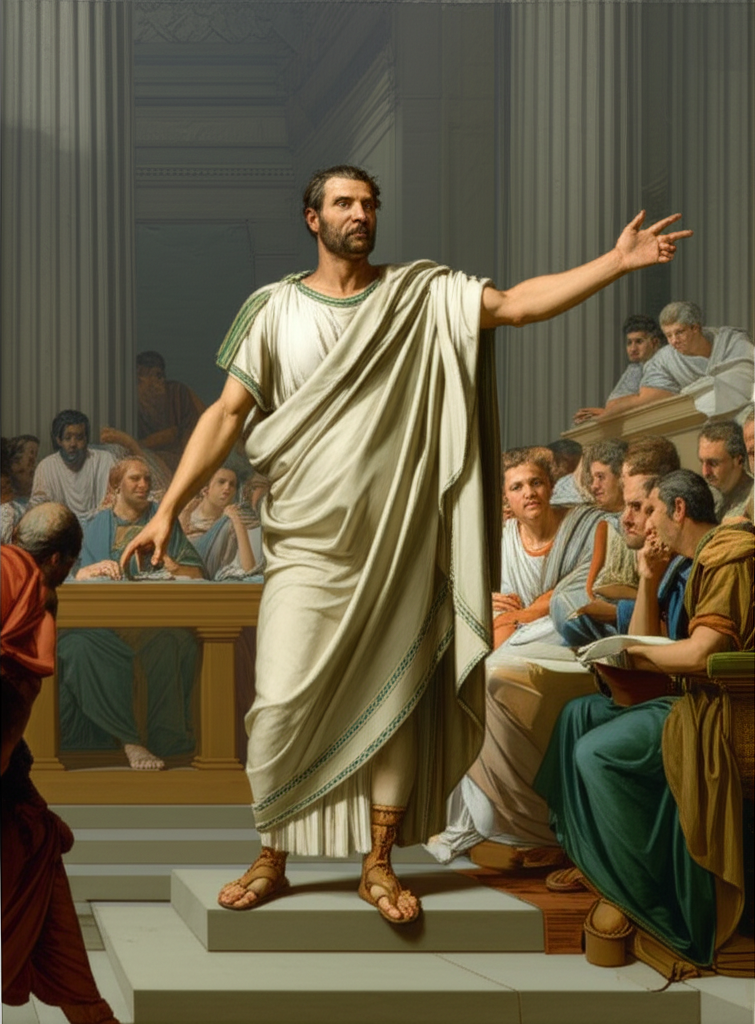
The application of courage to civic duty shifts its focus from the individual hero to the engaged citizen. In a modern context, civic courage is the willingness to act on one's convictions for the common good, even when such actions carry personal risk—be it social ostracization, professional setback, or public criticism. It is the antithesis of apathy and passive acceptance of injustice, embodying the very spirit of proactive citizenship.
Consider these manifestations of civic courage:
- Speaking Truth to Power: Challenging corruption or injustice from authorities, despite potential repercussions.
- Defending Minority Rights: Standing up for marginalized groups or unpopular opinions, even when it means facing public disapproval.
- Engaging in Difficult Dialogue: Participating in conversations about contentious issues with an open mind and a commitment to understanding, rather than retreating into echo chambers.
- Whistleblowing: Exposing wrongdoing within institutions, often at great personal cost.
- Voting Conscientiously: Making informed decisions based on principles, rather than succumbing to tribalism or convenience.
- Volunteering for Public Service: Dedicating time and effort to community improvement without expectation of personal gain.
These acts, though lacking the dramatic intensity of a battlefield, are crucial for the health and vitality of a society. They represent the victory of virtue over the vice of indifference or fear.
Navigating the Labyrinth: Courage in Public Discourse and Dissent
In contemporary society, where information overload and partisan divides can foster cynicism, civic courage is more vital than ever. It demands that citizens not only consume information critically but also contribute thoughtfully to public discourse. This includes the courage to:
- Question prevailing narratives: Not simply accepting information at face value, but seeking deeper understanding and diverse perspectives.
- Admit error: Acknowledging when one's own beliefs or arguments are flawed, a rare but powerful act of intellectual courage.
- Seek reconciliation: Reaching across divides to find common ground, rather than perpetuating animosity.
Without this courage, public discourse devolves into shouting matches, and the pursuit of truth is supplanted by the comfort of unchallenged dogma. The vice of intellectual laziness or fear of being wrong can lead to societal stagnation, making constructive peace elusive.
The Perils of Indifference: When Vice Undermines the Citizen
The absence of civic courage, or its opposite, cowardice, is a significant vice that can erode the foundations of a just society. When citizens choose silence over speech, apathy over action, or comfort over conviction, the space for injustice expands. Thucydides, in his History of the Peloponnesian War, subtly illustrates this through the decline of Athenian democracy, where fear and self-interest sometimes overshadowed the collective good, leading to tragic outcomes.
This vice manifests as:
- Moral cowardice: Refusing to take a stand on ethical issues for fear of social or professional repercussions.
- Political apathy: Disengaging from the democratic process, believing one's voice doesn't matter, thereby ceding power to others.
- Conformity: Suppressing one's own judgment to align with popular opinion, even when that opinion is unjust or ill-informed.
Such indifference can create a vacuum that demagoguery and authoritarianism are eager to fill, ultimately leading to societal instability that can escalate beyond metaphorical war and peace to real conflict.
Cultivating a Resilient Spirit: Fostering Civic Virtue
How, then, can we cultivate this essential virtue of civic courage? It begins with education—not merely the acquisition of facts, but the development of critical thinking, ethical reasoning, and a robust understanding of civic responsibility. Exposure to the Great Books of the Western World offers invaluable insights into the enduring struggles of humanity with virtue and vice, providing models of courage and cautionary tales of its absence.
Furthermore, fostering environments that encourage open debate, protect freedom of expression, and celebrate acts of principled dissent are crucial. Leaders, both political and societal, have a responsibility to model civic courage and create pathways for citizens to engage meaningfully without undue fear of reprisal. It is a collective endeavor, requiring each citizen to embrace their role as active participants in the ongoing experiment of self-governance.
Conclusion: The Enduring Call to Courage
The nature of courage in civic duty is a testament to its multifaceted importance. It is a virtue that transcends the traditional boundaries of war and peace, finding its most profound expression in the daily lives of engaged citizens. From the ancient philosophers who first dissected its essence to the modern challenges that demand its constant practice, courage remains the moral backbone of a free and just society. To neglect its cultivation is to invite the vice of apathy and the potential for societal decline. Thus, the call to courage is not merely an exhortation for heroes in extraordinary times, but a fundamental and enduring requirement for every citizen committed to the flourishing of their community.
📹 Related Video: PLATO ON: The Allegory of the Cave
Video by: The School of Life
💡 Want different videos? Search YouTube for: ""Plato's Republic courage virtue ethics""
📹 Related Video: ARISTOTLE ON: The Nicomachean Ethics
Video by: The School of Life
💡 Want different videos? Search YouTube for: ""Aristotle Nicomachean Ethics civic virtue""