

The Unyielding Spirit: Courage in the Pursuit of Civic Duty
In the grand tapestry of human thought woven through the Great Books of the Western World, few concepts resonate with such enduring power as courage. It is more than mere bravery in the face of physical danger; it is a profound virtue that underpins the very fabric of a flourishing society and defines the essence of the engaged citizen. This article explores the multifaceted nature of courage, moving beyond the traditional battlefield narratives of War and Peace to illuminate its indispensable role in civic duty, contrasting it with its associated vice, and affirming its crucial place in contemporary life.
The Philosophical Foundations of Courage
For millennia, philosophers have grappled with the definition of courage. From Plato's Laches exploring its very essence, to Aristotle's Nicomachean Ethics positioning it as the mean between cowardice and rashness, courage has consistently been understood as a cardinal virtue. It is the steadfastness of soul that allows an individual to confront fear, pain, danger, uncertainty, or intimidation, not blindly, but with reasoned judgment and a noble purpose. For the citizen, this means a commitment to the common good, even when personal cost is high.
Beyond the Battlefield: Courage in Civic Life
While stories of martial valor in War and Peace rightly celebrate physical courage, the demands of civic duty extend far beyond the battlefield. A vibrant polis requires citizens who exhibit courage in myriad forms, particularly in times of apparent peace. This civic courage is not about facing an enemy with a sword, but often about facing uncomfortable truths, challenging injustice, and upholding principles when it is easier to remain silent or conform.
Consider the courage of a whistleblower revealing corruption, the moral fortitude of a judge upholding justice against popular outcry, or the intellectual bravery of a thinker proposing radical ideas for societal improvement. These acts, though lacking the dramatic fanfare of war, are fundamental to the health and progression of a society. They are manifestations of a deep-seated commitment to the community, rooted in the understanding that the collective good often demands individual sacrifice or discomfort.
The Citizen's Arsenal: Dimensions of Civic Courage
Civic duty calls upon several distinct, yet interconnected, forms of courage. These are not merely abstract ideals but practical necessities for a thriving democracy and a just society:
- Moral Courage: The strength to stand by one's ethical convictions, to speak truth to power, and to defend what is right, even when it is unpopular or puts one at personal risk. This includes challenging discriminatory practices, advocating for marginalized groups, and refusing to compromise on fundamental principles of justice.
- Intellectual Courage: The willingness to question established norms, to engage with challenging ideas, and to pursue truth even when it contradicts one's preconceived notions or threatens one's worldview. It is the courage to think critically, to learn, and to adapt.
- Social Courage: The fortitude to resist conformity, to express dissenting opinions, and to initiate difficult but necessary conversations within one's community. This type of courage fosters genuine public discourse rather than superficial consensus.
- Participatory Courage: The sustained commitment to engage actively in civic processes—voting, volunteering, advocating—even when the path is arduous, the outcomes uncertain, or the progress slow. It is the courage to remain hopeful and active in the face of cynicism and apathy.
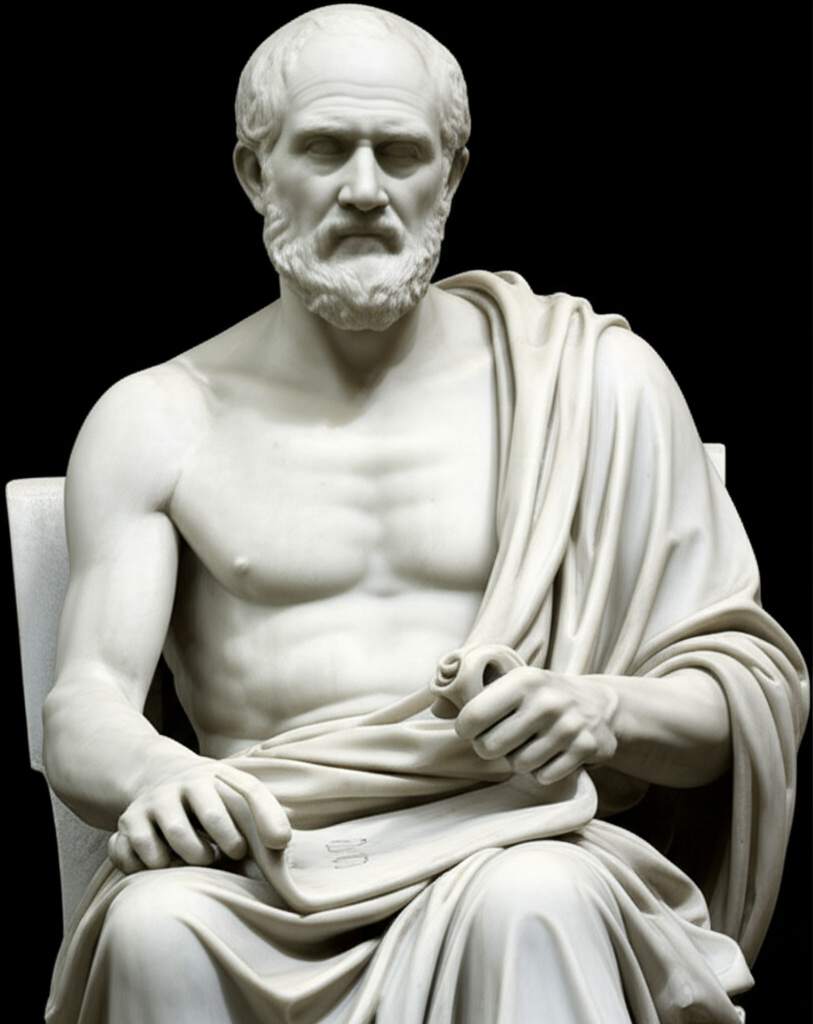
The Perils of Inaction: Virtue and Vice
The absence of courage in civic life leads to its corresponding vice: cowardice, which manifests not only as flight from danger but also as apathy, silence in the face of injustice, and a reluctance to engage in difficult civic discourse. Equally detrimental is recklessness, the vice of acting without proper judgment or consideration, which can undermine civic order and trust.
A society where citizens lack the courage to defend their principles, to speak out against wrongdoing, or to participate meaningfully in public life, is one vulnerable to tyranny, stagnation, and decay. The Great Books warn us repeatedly about the fragility of freedom and the constant vigilance required to maintain it. It is the courageous citizen, willing to navigate the complexities of War and Peace—both literal and metaphorical—within their community, who serves as the bulwark against these forces.
Cultivating the Brave Citizen
Cultivating civic courage is an ongoing endeavor for every citizen. It requires not only an understanding of its philosophical underpinnings but also a commitment to its practice in daily life. From the smallest act of integrity to the grandest defense of liberty, courage in civic duty is the unyielding spirit that ensures the flourishing of the polis. It is a testament to the enduring power of virtue in the face of vice, and the indispensable role of the individual in shaping the collective destiny.
YouTube Suggestions:
- Plato Laches Courage Philosophy Analysis
- Aristotle Nicomachean Ethics Virtue Civic Duty
📹 Related Video: What is Philosophy?
Video by: The School of Life
💡 Want different videos? Search YouTube for: "The Nature of Courage in Civic Duty philosophy"