

The Logic of Judgment: Navigating Thought's Foundations
The ability to make sound judgments is perhaps the most fundamental aspect of human reasoning, serving as the bedrock upon which all our understanding and decisions are built. This article delves into "The Logic of Judgment," exploring how we form assertions about the world, the principles that govern their validity, and why mastering this logic is crucial for our pursuit of truth in both philosophy and everyday life. From the classical syllogisms of Aristotle to the critical philosophy of Kant, the great thinkers of the Western tradition have consistently recognized that the structure and coherence of our judgments are paramount to navigating reality.
What is Judgment? A Philosophical Lens
At its core, a judgment is an assertion or a proposition that something is or is not the case. It's the act of mind by which we affirm or deny something of something else. When we say, "The sky is blue," we are making a judgment, connecting the concept of "sky" with the attribute "blue." This seemingly simple act is, in fact, incredibly complex, involving recognition, classification, and the establishment of relationships between ideas.
- The Role of Predication: Every judgment involves a subject and a predicate. The subject is what we are talking about, and the predicate is what we are saying about it. The logic of judgment scrutinizes the legitimacy of this connection.
- Beyond Mere Opinion: A judgment is more than just an opinion. While opinions can be subjective and lack rigorous foundation, a philosophical judgment aims for objectivity and is ideally supported by evidence or sound reasoning. The quest for truth hinges on moving beyond mere subjective impressions to well-formed, defensible judgments.
The Inextricable Link Between Logic and Judgment
Logic provides the framework, the rules, and the criteria by which we evaluate the soundness of our judgments. Without logic, judgments would be arbitrary, ungrounded, and incapable of leading us to reliable knowledge. It's the engine that drives our reasoning process, ensuring that our thoughts are consistent, coherent, and valid.
The Great Books of the Western World are replete with examples of philosophers grappling with this very relationship. Aristotle's Organon, for instance, lays out the foundational principles of deductive reasoning and the structure of propositions (judgments). He meticulously details how premises (which are themselves judgments) lead necessarily to conclusions, provided the logic of their connection is sound. Later, thinkers like Kant, in his Critique of Pure Reason, delved deeper into the very nature of judgment, distinguishing between analytic and synthetic judgments, and exploring their conditions for possibility and their relation to experience.
Key Elements of a Sound Judgment:
For a judgment to be considered sound and reliable in our pursuit of truth, it ideally possesses several key characteristics:
- Clarity: The concepts involved must be clearly defined and understood. Ambiguity can fatally undermine a judgment.
- Coherence: The judgment must be internally consistent, free from contradictions.
- Consistency: It must be consistent with other established truths or well-founded judgments.
- Evidence/Reasoning: It should be supported by empirical evidence, logical deduction, or robust inductive reasoning.
- Validity: If part of an argument, the logic connecting the judgment to other propositions must be valid.
- Truth-Aptness: The judgment must be capable of being true or false, even if its truth value is not immediately known.
Reasoning: The Path to Truthful Judgments
Reasoning is the dynamic process by which we move from existing knowledge (or premises) to new knowledge (or conclusions/judgments). It is the active application of logic to form, evaluate, and connect judgments. Whether we are reasoning deductively from general principles to specific cases, or inductively from specific observations to general conclusions, the goal is often the same: to arrive at judgments that accurately reflect reality and lead us closer to truth.
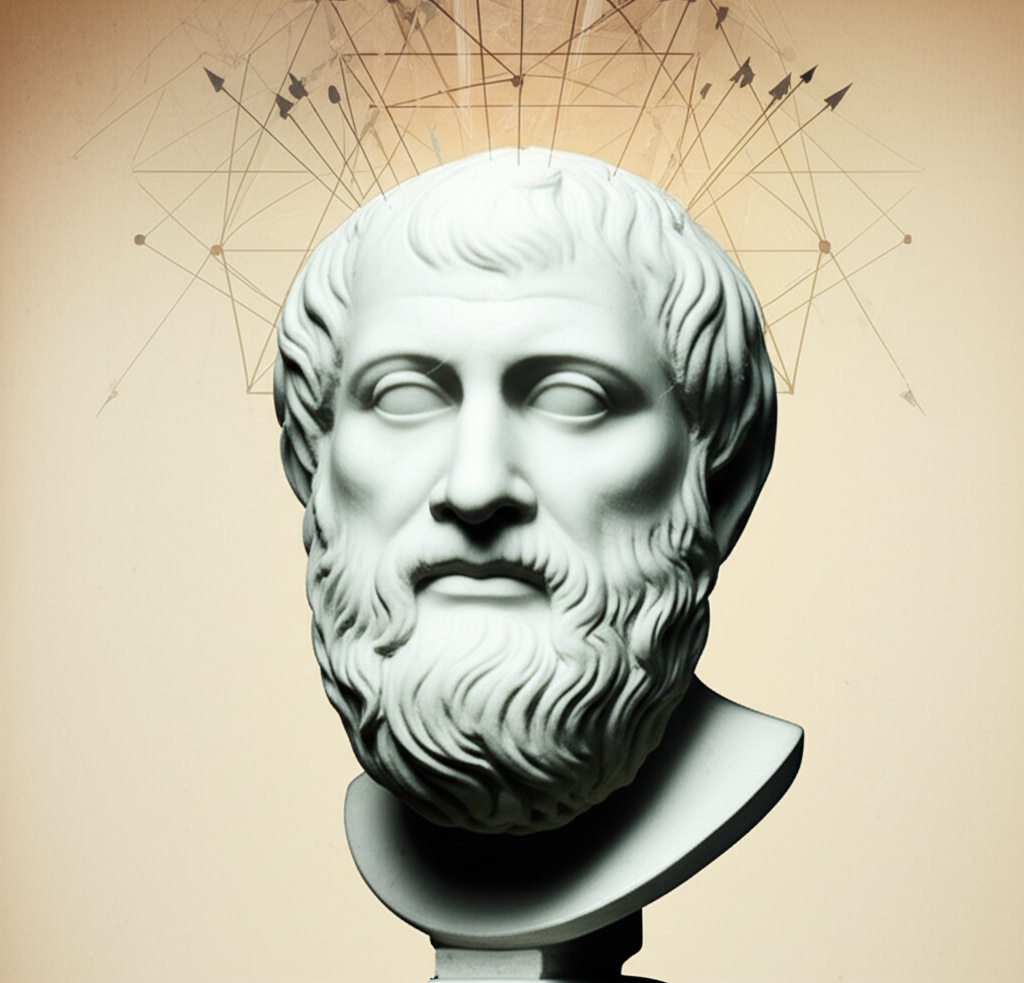
The challenge, as many philosophers from Plato to Locke have noted, lies in the human capacity for error, bias, and the limitations of our perception. We are constantly forming judgments based on incomplete information, emotional impulses, or ingrained prejudices. The discipline of the logic of judgment is precisely about cultivating the intellectual virtues necessary to overcome these pitfalls.
The Practicality of Logical Judgment
Understanding the logic of judgment isn't merely an academic exercise; it's a vital skill for navigating the complexities of modern life. From making personal decisions to evaluating political claims, from scientific inquiry to ethical dilemmas, the ability to form clear, coherent, and well-supported judgments is indispensable. It empowers us to:
- Critically Evaluate Information: Discerning sound arguments from fallacious ones.
- Make Informed Decisions: Weighing evidence and consequences logically.
- Solve Problems Effectively: Breaking down complex issues into manageable, logically connected parts.
- Engage in Meaningful Discourse: Contributing to discussions with well-reasoned positions.
- Pursue Truth: Systematically building knowledge upon a foundation of reliable judgments.
The pursuit of truth is an ongoing journey, and the logic of judgment is our most reliable compass. By continually refining our capacity for reasoning and subjecting our assertions to rigorous logical scrutiny, we move closer to a more accurate and profound understanding of ourselves and the world.
YouTube Video Suggestions:
-
📹 Related Video: KANT ON: What is Enlightenment?
Video by: The School of Life
💡 Want different videos? Search YouTube for: ""Introduction to Logic and Critical Thinking""
-
📹 Related Video: KANT ON: What is Enlightenment?
Video by: The School of Life
💡 Want different videos? Search YouTube for: ""Kant's Categories of Understanding Explained""