

The Eternal Dance: Desire, Will, and the Architecture of Choice
Summary: At the very core of human experience lies a profound and often tumultuous interplay between desire and will. This dynamic tension, explored by philosophers for millennia, shapes every choice we make, defining our character and our destiny. While desire represents our primal urges, inclinations, and emotional pull towards or away from something, the will embodies our capacity for rational deliberation, self-control, and the deliberate act of choosing. Understanding how the mind navigates these forces is crucial to comprehending the essence of Man and the very nature of freedom.
The Fundamental Forces Within
From the moment we awaken to consciousness, we are propelled by a myriad of internal forces. Some are immediate, visceral urges; others are reasoned intentions. Philosophy, throughout its history, has grappled with delineating these forces, particularly the distinct yet intertwined roles of desire and will. This distinction isn't merely an academic exercise; it's the very lens through which we understand our decisions, our struggles, and our aspirations.
Desire: The Primal Urge of the Soul
Desire is the foundational current of our being, a powerful impetus that draws us towards pleasure, comfort, knowledge, or away from pain and discomfort. It is often impulsive, rooted in our natural appetites and passions. As Plato famously articulated in The Republic, the soul is comprised of different parts, with the appetitive part representing our desires for food, drink, and sensual pleasures. Without desire, there would be no motivation, no drive to act, no spark to ignite our pursuits.
However, unchecked desire can lead to chaos and self-destruction. The ancient Greeks, especially, recognized the dangers of akrasia, or weakness of will, where one acts against their better judgment, succumbing to immediate gratification. Desire, while essential, requires guidance, a steering hand to prevent it from becoming a tyrannical master.
Will: The Architect of Choice
If desire is the raw material, will is the artisan. The will is our faculty of conscious choice and deliberate action. It is the power to affirm or deny, to initiate or restrain, to direct our energies towards a chosen end. Unlike desire, which often arises unbidden, the will implies a degree of reflection and autonomy.
For thinkers like St. Augustine in his Confessions, the will is central to human agency and moral responsibility. It is the will that struggles against sin, that seeks to align itself with divine purpose. Later, Immanuel Kant would elevate the will to the supreme moral faculty, arguing that a truly good act stems not from inclination (desire) but from a good will acting out of duty, in accordance with universal moral law. The will, in this sense, is what allows Man to transcend his immediate urges and act from principle.
The Mind as the Crucible of Decision
The human mind is the arena where desire and will engage in their perpetual struggle and collaboration. It is here that raw impulses are weighed against rational considerations, where short-term gratification battles long-term goals.
Consider these aspects of the mind's role:
- Deliberation: The mind processes competing desires and evaluates potential outcomes, often using reason to inform the will.
- Prioritization: The will, guided by intellect, decides which desires to pursue and which to suppress or redirect.
- Self-Control: The capacity of the will to resist strong desires for the sake of a higher purpose or a more rational choice.
This intricate dance within the mind is what makes human choice so complex and uniquely ours. It is not merely a reaction to stimuli but a dynamic process of internal negotiation.
Man's Quest for Autonomy
The interplay of desire and will is fundamental to Man's quest for autonomy and self-mastery. True freedom isn't merely the absence of external constraints; it's the internal freedom to choose wisely, to direct one's life purposefully rather than being swept away by every passing whim.
Understanding this interplay allows us to cultivate virtues, to align our desires with our reasoned will, and thereby to shape ourselves into the individuals we aspire to be. It's a continuous process, a lifelong endeavor of self-formation.
Historical Perspectives on the Interplay
Many of the Great Books of the Western World offer profound insights into this relationship:
| Philosopher | Key Concept of Desire | Key Concept of Will | Interplay in Choice |
|---|---|---|---|
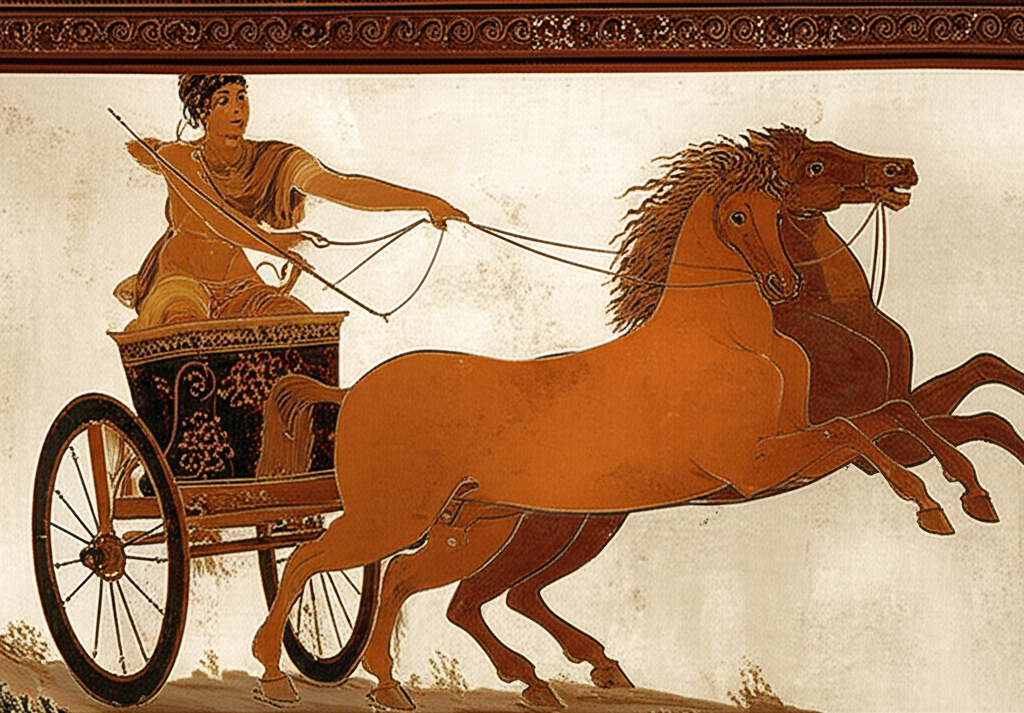
| Plato | Appetitive soul (epithymia) for bodily pleasures. | Rational soul (logos) as the charioteer. | The rational will must guide and control the spirited and appetitive desires to achieve virtue and harmony within the soul. |
| Aristotle | Orexis (appetite/desire) as a movement towards good. | Prohairesis (deliberate choice) informed by practical wisdom. | Voluntary action stems from desire informed by reason. Practical wisdom helps the will choose the right means to achieve desired ends, leading to virtuous action. |
| St. Augustine | Concupiscence (disordered desire) as a result of sin. | The will as the capacity to choose good or evil. | The will, damaged by the Fall, struggles against disordered desires. True freedom comes from a will aligned with God's will, conquering concupiscence. |
| Immanuel Kant | Inclinations (desires) are contingent and heteronomous. | The Good Will, autonomous, acting from duty/moral law. | Moral choice arises when the will acts purely from duty, independent of desires or expected outcomes. Desires are seen as potential obstacles to truly moral action. |
| Friedrich Nietzsche | Will to Power, the fundamental driving force of life. | Will as self-overcoming, shaping values and creating meaning. | Desires are expressions of the will to power. True choice involves affirming and directing these drives, overcoming old values, and creating new ones, rather than suppressing them under a false sense of duty or reason. |
Navigating the Labyrinth of Choice
Every decision, from the mundane to the monumental, is a testament to this dynamic. Do we succumb to the desire for immediate comfort, or does our will push us to pursue a challenging goal? Do we allow anger (a desire for retribution) to dictate our actions, or does our will choose forgiveness and understanding?
The continuous negotiation between desire and will is not a battle to be won once and for all, but a lifelong practice. It involves:
- Self-awareness: Understanding the nature of our desires and the strength of our will.
- Cultivating virtues: Developing habits that strengthen the will and align desires with noble ends.
- Reflection: Pausing before acting to consider the long-term implications of our choices.
Conclusion: A Continuous Dialectic
The interplay of desire and will is not a simple dichotomy but a rich, complex dialectic that defines the human condition. It is within this internal dialogue that our choices are forged, our character is shaped, and our freedom is realized. By understanding these fundamental forces, we gain deeper insight into ourselves, our motivations, and our capacity to navigate the intricate tapestry of moral and practical life. This ongoing dance is what makes us truly Man, capable of both profound weakness and extraordinary strength.
YouTube Suggestions:
-
📹 Related Video: PLATO ON: The Allegory of the Cave
Video by: The School of Life
💡 Want different videos? Search YouTube for: "Plato Chariot Analogy explained"
2. ## 📹 Related Video: KANT ON: What is Enlightenment?
Video by: The School of Life
💡 Want different videos? Search YouTube for: "Kant's Categorical Imperative duty vs inclination"