

The Unseen Architects of Our Existence: A Philosophical Inquiry into Pleasure and Pain
Summary: Pleasure and pain are not mere sensations; they are fundamental, often contradictory, forces that shape our experience of reality, deeply embedded in the body and interpreted by our sense. This article explores how Western philosophy, drawing from the "Great Books," has grappled with these potent phenomena, from their physical manifestations to their profound ethical and existential implications, revealing them as both primal motivators and complex philosophical puzzles.
The Primal Symphony: Why Pleasure and Pain Demand Our Philosophical Gaze
From the first breath to the last, our lives are punctuated by the ebb and flow of pleasure and pain. They are the most immediate, undeniable aspects of our experience, serving as both our sternest teachers and our most seductive masters. But what precisely are these sensations? Are they merely biological signals, or do they hold deeper philosophical significance? How does the body mediate these crucial sense perceptions, and what do they tell us about the nature of being human?
For centuries, the greatest minds in Western thought have wrestled with these questions, recognizing that to understand pleasure and pain is to understand a core facet of human motivation, morality, and even the very structure of the cosmos. As Benjamin Richmond, I find it compelling how these twin forces, so intimately tied to our physical existence, have consistently led philosophers to the most abstract and profound considerations.
Voices from the Pantheon: Pleasure and Pain in the Great Books
The "Great Books of the Western World" offer a rich tapestry of perspectives on pleasure and pain, revealing how their understanding has evolved and diversified across millennia.
Ancient Greece: The Foundations of Feeling
- Plato: In dialogues like the Philebus, Plato often viewed pleasure with suspicion, especially purely bodily pleasures. He suggested that many pleasures are merely the cessation of pain, or that true pleasure is found in intellectual pursuits and the contemplation of the Good, rather than in transient bodily satisfactions. He explored the idea of "mixed pleasures," where pleasure and pain coexist, as in tragedy or scratching an itch.
- Aristotle: In the Nicomachean Ethics, Aristotle offers a more nuanced view. He defines pleasure not as a sensation, but as the unimpeded activity of a natural state, a kind of completion or perfection of an activity. A virtuous activity, for instance, naturally brings its own pleasure. Pain, conversely, is an impediment to such activity. For Aristotle, pleasure is not the end of life, but a supervening good that accompanies excellent activity.
- Epicurus: Standing in stark contrast, Epicurus and his followers championed pleasure as the highest good. However, this was not a call for hedonistic excess. Epicurean pleasure (or ataraxia) was primarily the absence of pain in the body and disturbance in the mind. It was a tranquil, stable state achieved through simple living, friendship, and philosophical contemplation, a release from the burdens of fear and anxiety.
Early Modern Thought: The Mind-Body Divide and Sensory Data
- René Descartes: With Descartes, the focus shifts to the distinctness of mind and body. In his Meditations and Passions of the Soul, he describes pleasure and pain as clear and distinct sensations that arise in the soul due to motions in the body. These sensations serve a crucial protective function, alerting the soul to what is beneficial or harmful to the body. This marked a significant step in understanding pleasure and pain as perceptions rather than just moral categories.
- John Locke: In his Essay Concerning Human Understanding, Locke further develops the empirical view. He posits that pleasure and pain are "simple ideas of sensation," fundamental building blocks of our experience. They are the primary motivators of human action, defining what we call "good" (that which produces pleasure) and "evil" (that which produces pain). Our desires and aversions are rooted in these basic experiences.
The Anatomy of Experience: Sense and Body Intertwined
The philosophical journey through pleasure and pain consistently returns to the intimate connection between our inner experience and our physical body. Our sense organs are the conduits through which the world impacts us, translating external stimuli and internal states into the raw data of feeling.
Consider the following:
| Philosophical Lens | Relationship to Body and Sense | Key Insight |
|---|---|---|
| Plato | Body as a source of distraction/lower pleasure; Sense can mislead. | True pleasure is intellectual, not purely sensory. |
| Aristotle | Body's natural activities bring pleasure; Sense informs activity. | Pleasure is completion/perfection of bodily/mental functions. |
| Epicurus | Body's comfort (absence of pain) is paramount; Sense provides data. | Highest good is ataraxia (absence of bodily pain and mental disturbance). |
| Descartes | Body as a machine, senses transmit signals to the soul. | Pleasure/pain are distinct mental sensations, protective mechanisms. |
| Locke | Body's interaction with world creates "simple ideas" of sensation. | Pleasure/pain are fundamental sensory ideas, driving motivation. |
This table illustrates how, despite differing conclusions, each thinker acknowledges the inextricable link between our physical being and our felt reality. The body is not merely a vessel; it is the very instrument through which pleasure and pain are registered, interpreted, and ultimately integrated into our conscious experience.
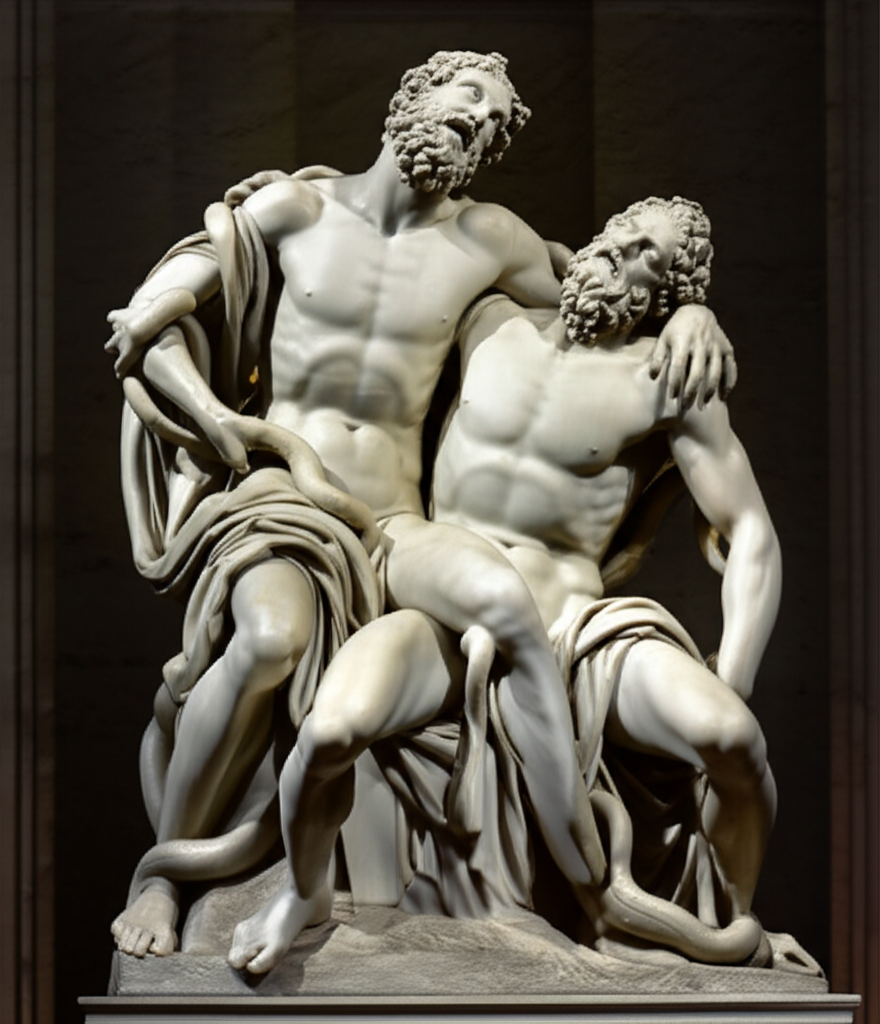
The Enduring Riddle: Why Do We Feel?
Why are we designed to feel pleasure and pain with such intensity? The answers, while varying, converge on a crucial point: they are indispensable guides. They teach us what to approach and what to avoid, shaping our survival, our choices, and our moral frameworks.
- Survival: Pain warns us of danger, preventing harm. Pleasure encourages beneficial activities like eating, reproduction, and social bonding.
- Motivation: We are inherently driven to seek pleasure and alleviate pain, forming the basis of many psychological and economic theories.
- Moral Compass: Many ethical systems, from utilitarianism to virtue ethics, grapple with how pleasure and pain should inform our actions and our pursuit of the good life. Is the greatest good the greatest pleasure for the greatest number? Or is pleasure merely a byproduct of a virtuous existence?
The experience of pleasure and pain remains one of philosophy's most fertile grounds for inquiry. They are the silent, constant companions of our existence, forever challenging us to look beyond the immediate sense and deeper into the nature of our body and soul.
📹 Related Video: What is Philosophy?
Video by: The School of Life
💡 Want different videos? Search YouTube for: "Philosophy of Pleasure and Pain Explained"
📹 Related Video: ARISTOTLE ON: The Nicomachean Ethics
Video by: The School of Life
💡 Want different videos? Search YouTube for: "Aristotle Nicomachean Ethics Pleasure and Virtue"