

The Elusive Embrace: Navigating the Experience of Happiness
Summary: The experience of happiness, far from being a simple emotion, is a profound and multifaceted philosophical inquiry that has captivated thinkers from antiquity to the present day. This article delves into the various dimensions of what it means to experience happiness, exploring its relationship with pleasure and pain, its grounding in our lived reality, and its ultimate significance in the face of life and death, drawing insights from the rich tapestry of the Great Books of the Western World. We will uncover how different philosophical traditions have grappled with this fundamental human aspiration, moving beyond fleeting sensations to a deeper understanding of a life well-lived.
What is Happiness, Truly? An Enduring Inquiry
For centuries, philosophers have wrestled with the question of happiness. Is it a transient feeling, a deep-seated contentment, or an objective state of being? Our experience of happiness often feels intensely personal, yet its pursuit is a universal human drive. From Aristotle's Nicomachean Ethics to the Stoic meditations of Marcus Aurelius, the Great Books reveal a consistent thread: happiness is not merely a passive state but an active engagement with life. It's not something that simply happens to us; it's something we often cultivate, understand, and strive for.
The very word "happiness" itself carries a weight of expectation and a kaleidoscope of interpretations. For some, it conjures images of unbridled joy and laughter. For others, it's a quiet sense of peace, a feeling of purpose, or the satisfaction of a life well-lived. The philosophical journey into happiness begins by dissecting these varied experiences.
The Spectrum of Experience: Pleasure, Pain, and Well-being
When we talk about the experience of happiness, we inevitably confront its close cousins: pleasure and pain. Are they merely two sides of the same coin, or distinct phenomena?
- Hedonism: Philosophers like Epicurus, whose ideas are explored in the Great Books, posited that the highest good and the path to happiness lay in the pursuit of pleasure and the avoidance of pain. This wasn't necessarily about wild excess, but often about ataraxia – a state of tranquility, freedom from disturbance, and modest pleasures. The experience here is largely sensory and emotional, focusing on immediate feelings.
- Eudaimonia: A contrasting view, prominently articulated by Aristotle, defines happiness (eudaimonia) not as mere pleasure but as flourishing – living a life of virtue and excellence, in accordance with reason. Here, the experience of happiness is less about fleeting sensations and more about the deep satisfaction derived from meaningful activity, ethical conduct, and the full realization of one's human potential. It encompasses a broader, more enduring sense of well-being.
The tension between these two perspectives highlights a crucial aspect of our experience: Is happiness a sum of pleasant moments, or is it an overarching quality of our existence that can even accommodate moments of struggle and sorrow? The Great Books invite us to consider that true happiness might demand more than just comfort; it might require courage, wisdom, and a commitment to living authentically.
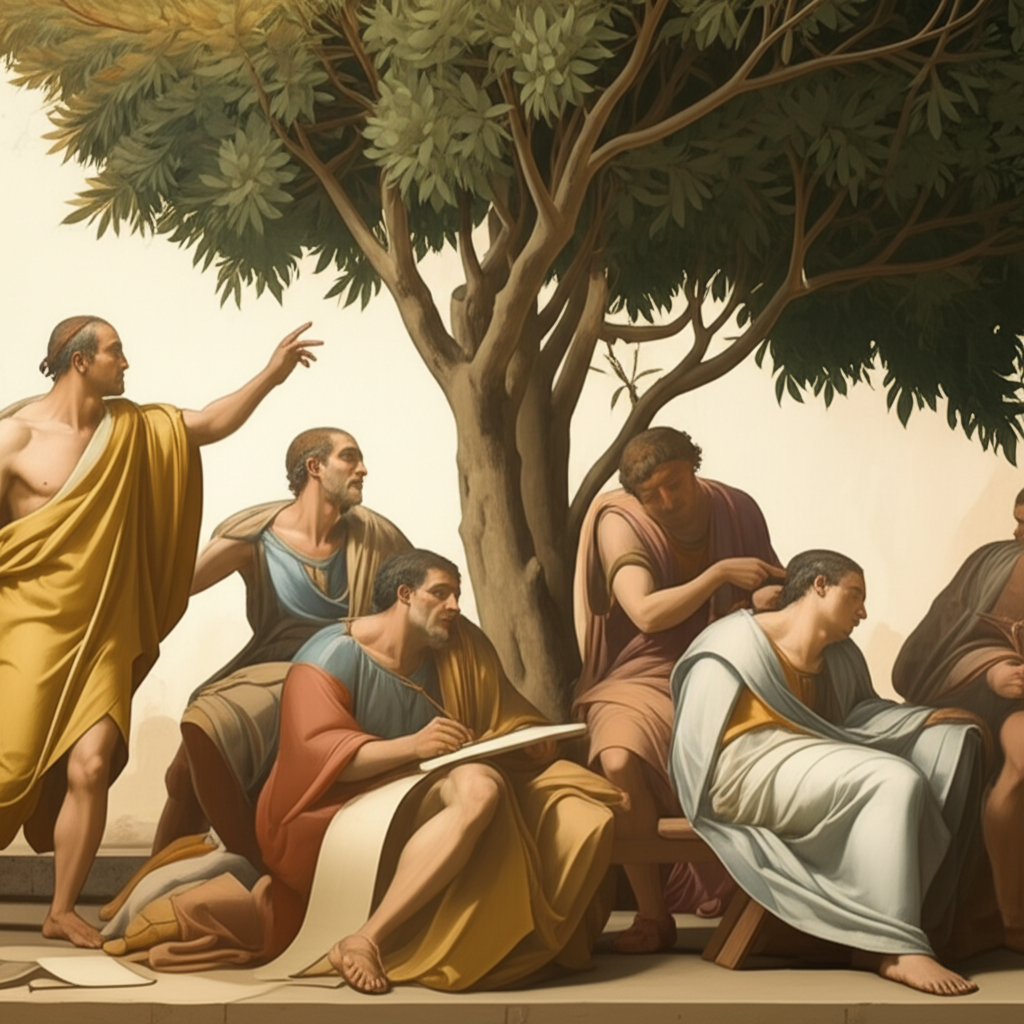
Navigating Life's Impermanence: Happiness in the Shadow of Mortality
Perhaps the most profound philosophical challenge to our experience of happiness comes with the stark reality of life and death. How can we speak of enduring happiness when life itself is finite and often fraught with suffering? This question has resonated through the ages, from the existential dilemmas in the works of Pascal to the Stoic insistence on accepting what we cannot control.
- The Stoic Perspective: For Stoics like Seneca and Epictetus, happiness wasn't dependent on external circumstances but on our internal response to them. They taught that true happiness comes from living in accordance with nature, accepting fate, and cultivating inner peace, even in the face of adversity and the inevitability of death. The experience of happiness here is one of resilience, self-mastery, and profound inner freedom.
- The Existential Glimmer: Later thinkers, while not strictly part of the classical Great Books canon but building upon its foundations, explored how the awareness of our mortality can paradoxically intensify our experience of happiness. Knowing that life is finite can imbue each moment with greater significance, urging us to live more fully, to pursue our values, and to cherish our connections.
The philosophical journey through the Great Books suggests that confronting our mortality doesn't diminish the pursuit of happiness; it refines it. It shifts our focus from transient pleasures to enduring meaning, from superficial gratification to profound fulfillment. The experience of happiness becomes intertwined with our understanding of purpose, legacy, and how we choose to spend our finite time.
Cultivating a Meaningful Experience of Happiness
So, how do we, in our modern lives, navigate these ancient philosophical currents to cultivate a richer experience of happiness? The Great Books offer not prescriptive formulas, but profound insights that invite personal reflection and active engagement.
Here are some pathways suggested by the philosophical traditions:
- Self-Knowledge: Understanding what truly brings you meaning and fulfillment, rather than chasing external definitions of happiness. (Socrates' "Know Thyself").
- Virtuous Action: Engaging in activities that align with your values and contribute positively to yourself and others. (Aristotle's eudaimonia).
- Mindful Awareness: Cultivating an appreciation for the present moment, recognizing both its joys and its challenges. (Stoic acceptance).
- Resilience: Developing the inner strength to navigate inevitable pleasure and pain, understanding that suffering is a part of the human experience and does not negate the possibility of happiness.
- Meaningful Connections: Nurturing relationships that bring joy, support, and a sense of belonging.
The experience of happiness, then, is not a static destination but a dynamic process, a continuous philosophical engagement with ourselves, our world, and the profound realities of life and death. It is a journey that the Great Books illuminate with timeless wisdom, inviting each of us to explore what it means to truly flourish.
**## 📹 Related Video: ARISTOTLE ON: The Nicomachean Ethics
Video by: The School of Life
💡 Want different videos? Search YouTube for: ""Aristotle Nicomachean Ethics Happiness" and "Stoicism and Happiness: Living a Good Life""**