

The Elusive Alchemy of Being: Exploring the Experience of Happiness
Summary:
This article delves into the philosophical experience of happiness, moving beyond fleeting joy to a profound state of flourishing as contemplated by the Great Books of the Western World. We examine how thinkers from Aristotle to the existentialists have grappled with its nature, its intricate relationship with pleasure and pain, and its ultimate confrontation with life and death, revealing happiness not as a destination, but a complex, ongoing journey of human existence.
Introduction: More Than a Feeling
To speak of happiness is to touch upon one of humanity's most universal and persistent desires. Yet, what is this elusive state? Is it a fleeting emotion, a sustained contentment, or something far deeper—a way of being in the world? For centuries, philosophers, poets, and prophets chronicled in the Great Books of the Western World have wrestled with the experience of happiness, dissecting its components, questioning its sources, and pondering its ultimate purpose. It is not merely a pleasant sensation, but a profound engagement with existence itself, intricately woven with our understanding of pleasure and pain, and starkly illuminated by the undeniable realities of life and death.
Unpacking Happiness: A Philosophical Odyssey
The journey to understand happiness is as old as philosophy itself. From the ancient Greek city-states to the modern age, each era has offered distinct lenses through which to view this fundamental human aspiration.
Ancient Foundations: Virtue, Serenity, and the Good Life
For the ancient Greeks, happiness was not merely a feeling but a way of living.
- Aristotle's Eudaimonia: In his Nicomachean Ethics, Aristotle posits eudaimonia—often translated as "flourishing" or "living well"—as the highest human good. It is achieved through virtuous activity in accordance with reason, a lifelong pursuit, not a momentary whim. True happiness, for Aristotle, is an activity of the soul, not a passive state, demanding moral excellence and intellectual contemplation.
- Epicurean Tranquility: Epicurus, in contrast, focused on ataraxia (freedom from disturbance) and aponia (absence of pain). For him, the experience of happiness was largely about minimizing suffering and maximizing moderate, sustainable pleasures, understanding that intense pleasure and pain are often fleeting and can lead to greater discomfort. He advocated for a simple life, free from fear and anxiety, particularly the fear of death.
- Stoic Resilience: The Stoics, like Seneca and Marcus Aurelius, taught that happiness (or eudaimonia) is found in living in harmony with nature and reason, accepting what cannot be changed, and cultivating virtue. External events, including pleasure and pain, are indifferent; true happiness comes from within, through control over one's judgments and reactions.
Medieval Contemplations: Divine Beatitude
With the rise of Christianity, the concept of happiness shifted, often becoming intertwined with spiritual salvation and the divine.
- Augustine's Search for God: In his Confessions, St. Augustine argues that true happiness cannot be found in worldly possessions or earthly pleasure, but only in God. "Our heart is restless until it rests in Thee." This beatitude is an ultimate state of union with the divine, a spiritual experience transcending mortal limits.
- Aquinas's Ultimate End: Thomas Aquinas, synthesizing Aristotle with Christian theology in Summa Theologica, also identifies ultimate happiness with the contemplation of God. While earthly happiness is possible through virtuous living, perfect happiness is reserved for the afterlife, a complete and unending experience of blessedness.
Modern Perspectives: Rights, Utility, and Individual Pursuit
The Enlightenment brought a renewed focus on the individual's right to pursue happiness, shaping modern political thought and ethical frameworks.
- Locke's Pursuit: John Locke's ideas on natural rights profoundly influenced the notion that the "pursuit of happiness" is an inherent human entitlement.
- Utilitarian Calculations: Jeremy Bentham and John Stuart Mill (in Utilitarianism) proposed that actions are right in proportion as they tend to promote happiness, defined as pleasure and the absence of pain. The greatest good for the greatest number became the ethical imperative, making the collective experience of happiness a measure of moral action.
The Interplay of Pleasure and Pain in the Experience of Happiness
It's tempting to view pleasure and pain as simple opposites, with happiness residing solely on the side of pleasure. However, the philosophical tradition reveals a more nuanced relationship.
Table: Philosophical Views on Pleasure, Pain, and Happiness
| Philosopher/School | View on Pleasure | View on Pain | Relationship to Happiness |
|---|---|---|---|
| Aristotle | A natural accompaniment to virtuous activity, not the goal itself. | Can be overcome by virtue; necessary for growth. | Happiness (Eudaimonia) is virtuous activity; pleasure follows. |
| Epicurus | Absence of pain (aponia) and disturbance (ataraxia); moderate, sustainable. | To be avoided; fear of it causes suffering. | Happiness is primarily the freedom from pain and mental distress. |
| Stoics | Indifferent; not inherently good or bad. | Indifferent; not inherently good or bad. | Happiness is internal virtue, unaffected by pleasure and pain. |
| Utilitarians | The primary good; to be maximized. | The primary evil; to be minimized. | Happiness is the sum of pleasure minus pain; greatest good for greatest number. |
Many thinkers suggest that the experience of happiness is not merely the accumulation of pleasant sensations but often involves the transcendence or understanding of pain. The growth that comes from overcoming adversity, the resilience forged in suffering, or the profound appreciation that follows a period of difficulty all contribute to a richer, more profound experience of life, which can be seen as a form of happiness.
Happiness in the Shadow of Life and Death
Perhaps no philosophical inquiry into happiness is complete without confronting the ultimate realities of life and death. The awareness of our mortality profoundly shapes how we value, pursue, and experience happiness.
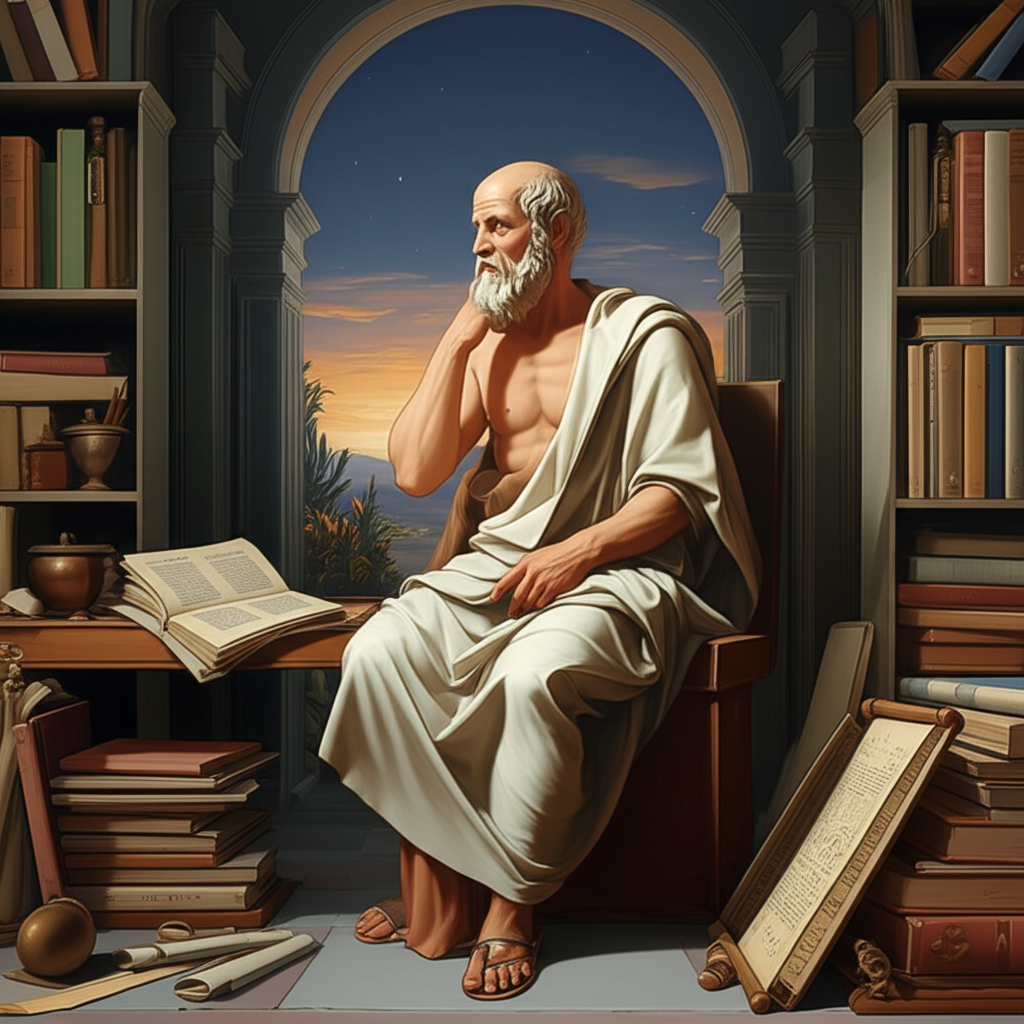
- Plato's Immortality of the Soul: In dialogues like Phaedo, Plato suggests that true happiness, or the closest we can come to it in life, involves freeing the soul from the distractions of the body and contemplating the eternal Forms. Death, for the philosopher, is not an end but a release, a transition to a higher state of being where true knowledge and bliss might be attained.
- Montaigne's Acceptance: Michel de Montaigne, in his Essays, famously explores how to live well by confronting death directly. He argues that to truly experience life and its joys, one must learn to accept death as a natural part of the human condition. His reflections encourage a present-moment appreciation, understanding that our finite existence makes each moment precious.
- Existentialist Meaning-Making: For existentialist thinkers like Albert Camus (in The Myth of Sisyphus), happiness is found not in escaping the absurd, but in embracing it. In a world devoid of inherent meaning, happiness becomes an act of defiance, a conscious creation of meaning in the face of our inevitable demise. The experience of happiness, even in the face of life and death, is possible through rebellion against meaninglessness, through love, creation, and human connection. This perspective suggests that happiness isn't despite life and death, but often because of our finite existence, which imbues our choices and experiences with urgency and significance.
The Subjective and Objective Dimensions of Happiness
Is happiness purely an internal, subjective experience, or are there objective conditions that define it?
- Subjective Well-being: Modern psychology often focuses on subjective well-being, where happiness is measured by an individual's self-reported satisfaction with life and frequency of positive emotions. This aligns with the idea that happiness is "what you make it."
- Objective Flourishing: Philosophers like Aristotle, however, argue for objective criteria. A person living a life of vice, even if they claim to be happy, would not be considered truly flourishing. There are certain human excellences and virtues that are objectively good, and happiness is the experience of living in accordance with them.
The Great Books suggest that a holistic understanding of happiness likely encompasses both. While personal feelings are undeniable, a deeper, more enduring happiness often arises from aligning one's life with what is considered good, virtuous, and meaningful, acknowledging the full spectrum of human experience, including pleasure and pain, and the profound reality of life and death.
Conclusion: The Enduring Quest for a Meaningful Experience
The experience of happiness, as explored through the rich tapestry of the Great Books of the Western World, is far more intricate than a simple feeling of joy. It is a profound philosophical quest, a continuous negotiation with our internal states and external realities. From Aristotle's eudaimonia to Epicurus's tranquility, from Augustine's divine beatitude to Camus's defiant embrace of the absurd, each perspective underscores that happiness is not a static state but a dynamic engagement with what it means to be human. It is found in the delicate balance of pleasure and pain, in the pursuit of virtue, in the creation of meaning, and in the courageous confrontation with the ultimate truths of life and death. Ultimately, the experience of happiness is the ongoing, evolving narrative of a life well-lived, deeply felt, and thoughtfully examined.
YouTube Video Suggestions:
-
📹 Related Video: ARISTOTLE ON: The Nicomachean Ethics
Video by: The School of Life
💡 Want different videos? Search YouTube for: ""Aristotle Nicomachean Ethics Eudaimonia explained""
2. ## 📹 Related Video: EXISTENTIALISM: The Philosophy of Freedom
Video by: The School of Life
💡 Want different videos? Search YouTube for: ""Existentialism meaning of life and death philosophy""