

The Essence of Courage in Battle: A Philosophical Inquiry
The battlefield, perhaps more than any other human endeavor, serves as a crucible for the human spirit, a place where the very fabric of our being is tested. This article explores the multifaceted essence of courage within the context of armed conflict, moving beyond simplistic notions of fearlessness to delve into its profound philosophical underpinnings. We will examine how emotion, duty, and circumstance converge to forge this cardinal virtue, contrasting it with its vice counterparts and considering its enduring significance in the grand narratives of War and Peace. True courage in battle is not merely the absence of fear, but the resolute commitment to action in its terrifying presence, often driven by a complex interplay of personal conviction, communal obligation, and a deep understanding of what is at stake.
Unpacking Courage: Beyond Instinctive Bravery
When we speak of courage, particularly in the context of battle, it's easy to conflate it with mere physical bravery or a reckless disregard for danger. However, classical philosophy, as explored in the Great Books of the Western World, offers a far more nuanced understanding. For Aristotle, courage is a virtue, a mean between the extremes of rashness (too much confidence) and cowardice (too much fear). It's not about not feeling fear, but about confronting it appropriately and acting rightly despite it.
In battle, this distinction becomes paramount. The soldier who charges heedlessly into danger without strategic thought might be brave, but not necessarily courageous in the philosophical sense. True courage is often a conscious, rational choice made in the face of overwhelming emotion – fear, panic, despair – guided by a sense of duty, honor, or the protection of comrades.
The Dynamics of Fear and Resolve
- Fear as a Prerequisite: Without fear, there is no opportunity for courage. Fear is a natural, often rational, response to mortal danger. The courageous individual acknowledges this fear but refuses to be paralyzed by it.
- The Role of Emotion: Battle is a maelstrom of emotions. Beyond fear, there is anger, grief, camaraderie, and sometimes even exhilaration. Courage often involves mastering these emotions, channeling them towards a purposeful action rather than succumbing to their chaotic influence.
- Rational Deliberation: Even in the chaos of combat, a form of rapid, often instinctual, deliberation takes place. The courageous act is frequently one that weighs the immediate danger against a greater good or a strategic imperative.
The Crucible of Conflict: Where Courage is Forged
The battlefield presents a unique environment for the manifestation of courage. Unlike other forms of courage – moral courage, intellectual courage – battle courage demands immediate physical risk, often with irreversible consequences. It is here that the abstract philosophical concept finds its most visceral and terrifying expression.
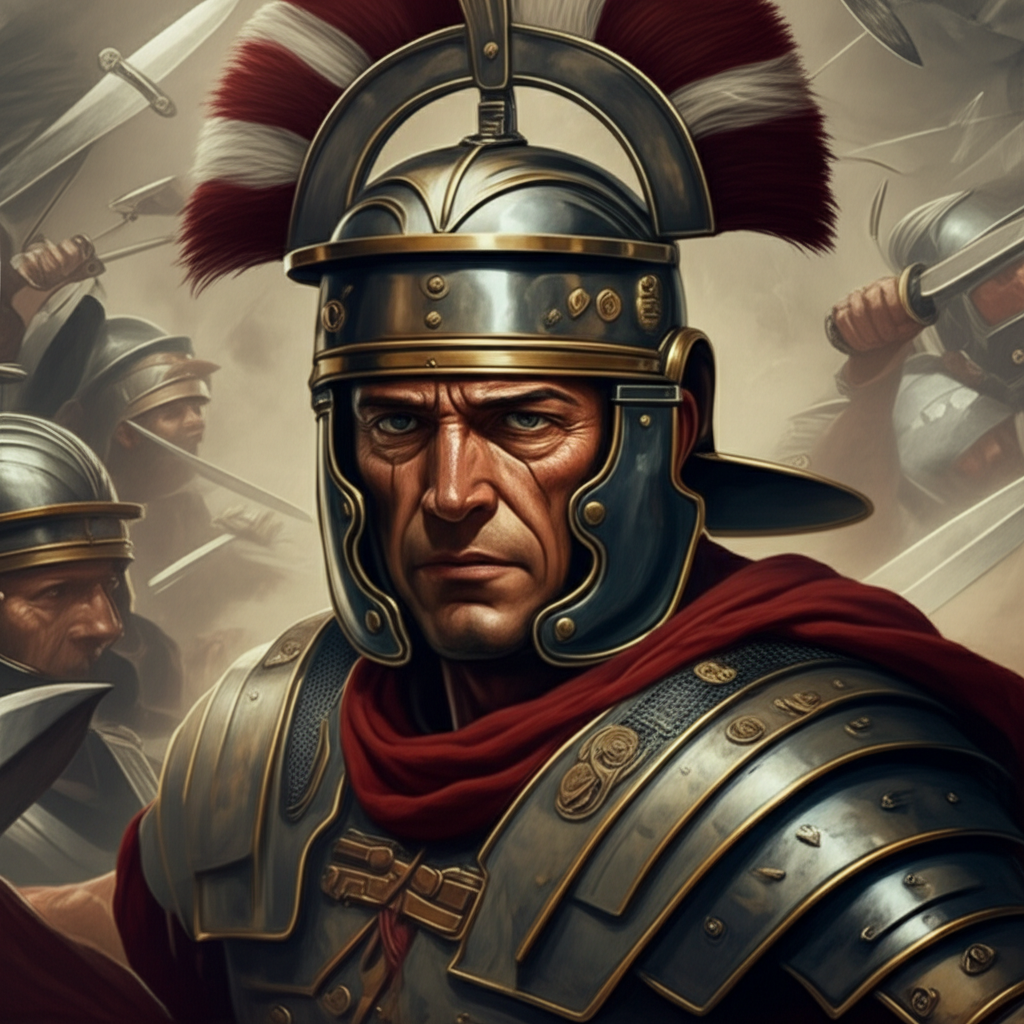
Facets of Courage in Battle
| Aspect of Courage | Description
📹 Related Video: What is Philosophy?
Video by: The School of Life
💡 Want different videos? Search YouTube for: "The Essence of Courage in Battle philosophy"