

The Essence of Courage in Battle: A Philosophical Inquiry
Summary: The essence of courage in battle transcends mere fearlessness; it is a profound philosophical virtue, meticulously explored by thinkers from ancient Greece to the modern era. This article delves into courage not as an absence of emotion, but as a rational navigation of fear, a mean between virtue and vice, and a testament to the human spirit's capacity for nobility even amidst the brutal realities of war and peace. Drawing from the Great Books of the Western World, we will examine how this cardinal virtue manifests under the direst circumstances, distinguishing it from rashness or cowardice.
Defining Courage Beyond the Battlefield
When we speak of courage, our minds often conjure images of heroic acts on the battlefield – a soldier standing firm against overwhelming odds, a leader inspiring their troops in the face of imminent danger. While battle certainly provides a crucible for its manifestation, the philosophical essence of courage is far richer and more nuanced than simple bravery. It is, as Aristotle posited in his Nicomachean Ethics, a mean between the vice of cowardice and the vice of rashness, a disposition to feel and act appropriately in the face of fear.
The Philosophical Lineage of a Virtue
Ancient Greek philosophers were among the first to dissect the nature of courage, or andreia.
- Plato's Perspective: In Laches, Socrates grapples with defining courage, moving beyond the simple notion of "standing fast" to suggest it might be a form of knowledge – the knowledge of what is and is not to be feared. In The Republic, courage is seen as the preservation of right opinion about what is to be feared and what is not, instilled by law and education. It is not merely a lack of
emotion, but a trained steadfastness of soul. - Aristotle's Golden Mean: For Aristotle, true
courageis not about being fearless, but about facing fear for the sake of the noble (to kalon). The courageous person experiences fear, but acts rightly despite it, choosing honor over safety when honor demands it. This requires practical wisdom (phronesis) to discern the appropriate action andemotionin a given situation. It's about enduring things that are fearful, because it is noble to do so, and base not to.
The battlefield, then, becomes a primary, though not exclusive, arena for observing this virtue under extreme duress. It is where the stakes are highest, and the temptation to succumb to primal fear is most potent.
Emotion, Reason, and the Test of Battle
The concept of courage is inextricably linked to emotion, particularly fear. It is not the absence of fear that defines the courageous individual, but rather their response to it. A person who feels no fear in battle might be considered foolhardy or oblivious, rather than truly courageous.
The Role of Emotion in Courageous Action:
| Emotion Type | Impact on Courage | Philosophical Interpretation |
|---|---|---|
| Fear | Acknowledged but managed | Not suppressed, but understood as a natural response to danger. The courageous person acts despite it. |
| Anger | Can be a motivator, but dangerous if unchecked | Plato's "spirited element" (thumos) can drive action, but must be guided by reason to avoid rashness. |
| Hope | Sustains morale and resolve | The expectation of a noble outcome, or the belief in the righteousness of the cause, can bolster courage. |
| Despair | The antithesis of courage | Leads to inaction or surrender; courage actively resists its pull. |
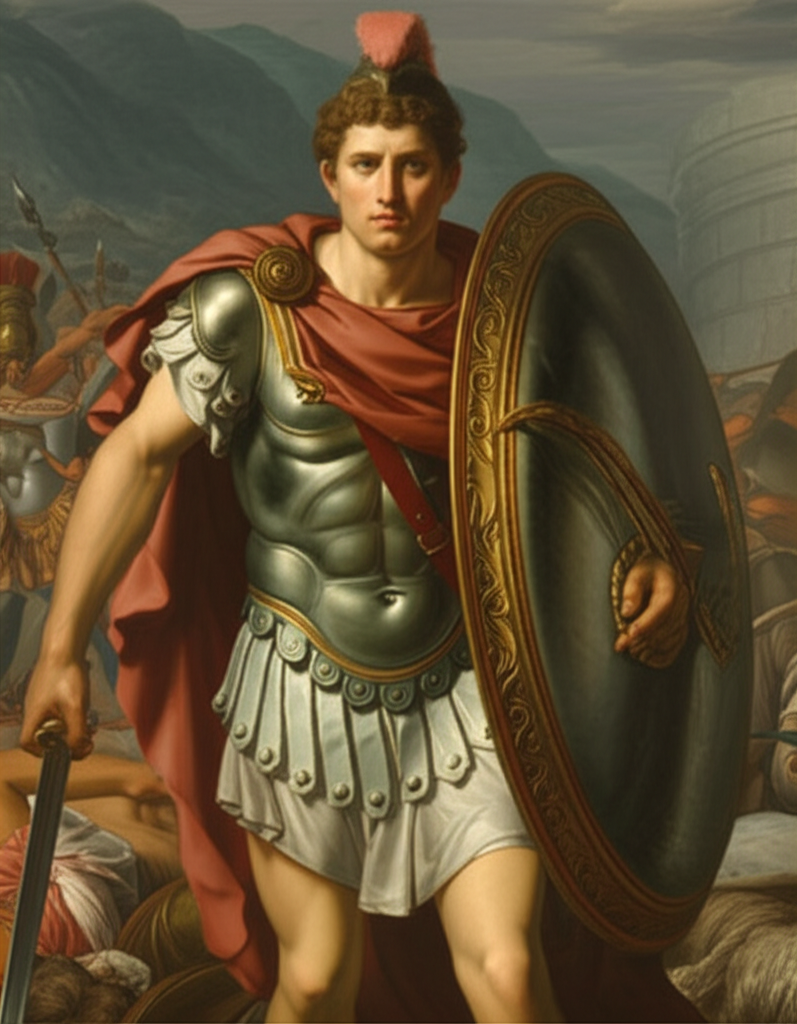
The truly courageous individual in battle does not deny their fear; they confront it with reason and resolve. They understand the dangers, weigh the risks, and choose to act in accordance with a higher principle – duty, honor, loyalty, or the pursuit of a just cause. This rational assessment distinguishes courage from mere animalistic instinct or a lack of imagination regarding danger.
War and Peace: The Ultimate Crucible
The context of war and peace provides the most vivid backdrop for understanding the essence of courage. In peace, courage might manifest as moral fortitude, standing up for justice, or enduring personal hardship. But in battle, the threat of death is immediate and pervasive, making the display of courage particularly stark and vital.
Distinguishing True Courage from its Counterfeits
Not all actions that appear brave are truly courageous. Philosophers have been keen to differentiate:
- Ignorance of Danger: A person unaware of the peril they face is not courageous, but simply ignorant.
- Hopeful Temperament: Someone who is naturally optimistic and underestimates danger might appear brave, but their actions lack the reasoned assessment of the truly courageous.
- Shame/Honor: Acting bravely purely out of fear of disgrace or a desire for external honor can be a motivator, but it falls short of the intrinsic nobility of true courage.
- Professional Skill: A seasoned soldier might appear fearless due to training and experience, but this is a form of skill, not necessarily the virtue itself, though it can certainly aid its expression.
- Passion/Rage: While powerful, acting solely out of uncontrolled anger or rage is closer to animalistic ferocity than reasoned courage. It risks the
viceof rashness.
True courage in battle, therefore, is a complex interplay of inner strength, moral conviction, and reasoned action. It is the virtue that allows a person to face the gravest dangers, not out of blind impulse, but out of a deliberate choice for what is right or noble, even when their very being screams for flight. This choice is what elevates the warrior from a mere combatant to a figure embodying a profound human virtue.
Conclusion: The Enduring Significance of Courage
The essence of courage in battle, as elucidated by the Great Books of the Western World, is a timeless testament to human character. It is a virtue that demands a conscious engagement with emotion, particularly fear, guided by reason and a commitment to noble principles. In the crucible of war and peace, courage is not merely a tactical advantage but a moral imperative, distinguishing individuals who rise above their primal instincts to act with dignity and purpose. It is a profound philosophical statement on what it means to be human in the face of ultimate adversity, a beacon against the vice of cowardice, and a testament to the enduring power of the human spirit.
YouTube Video Suggestions:
-
📹 Related Video: ARISTOTLE ON: The Nicomachean Ethics
Video by: The School of Life
💡 Want different videos? Search YouTube for: "Aristotle Nicomachean Ethics Courage Explained"
2. ## 📹 Related Video: PLATO ON: The Allegory of the Cave
Video by: The School of Life
💡 Want different videos? Search YouTube for: "Plato Laches Courage Dialogue Summary"