

The Essence of Courage in Battle: A Philosophical Inquiry into the Warrior's Heart
Courage in battle is more than just physical bravery; it is a profound philosophical virtue, a mastery over primal emotion, and a critical component in the complex dance of War and Peace. This article delves into the philosophical underpinnings of courage, exploring its nature not as an absence of fear, but as a deliberate choice to act rightly in the face of profound danger, examining its place among the Virtue and Vice that shape human character. Drawing from the enduring wisdom of the Great Books of the Western World, we seek to understand what truly constitutes this most revered of martial qualities.
The Unseen Foe: Confronting Fear in the Face of Conflict
The battlefield is the ultimate crucible of the human spirit. In moments of intense peril, when life itself hangs by a thread, the true character of an individual is laid bare. Yet, what compels one to stand firm when every instinct screams for flight? This is the heart of courage – not a reckless disregard for danger, but a profound internal struggle and triumph. It is here, amidst the chaos and the clamor, that we begin to understand courage not as an absence of fear, but as a conscious, deliberate engagement with it.
Defining Courage: More Than Mere Bravery
To speak of courage is to speak of a fundamental human experience, deeply explored by the philosophers whose works form the bedrock of Western thought. It is a concept that transcends simple physical prowess, delving into the very nature of our being.
Emotion and the Crucible of War
At its core, courage is inextricably linked to emotion. Fear is a natural, indeed necessary, response to danger. It is the body's alarm system, designed for self-preservation. True courage, then, isn't the absence of this powerful emotion, but the ability to acknowledge it, to feel its cold grip, and yet, to choose a course of action that aligns with a higher purpose or duty. Plato, in his Laches, grappled with this, suggesting that courage might be a form of knowledge—the knowledge of what is and is not to be feared. This isn't about suppressing fear, but understanding its proper place and refusing to let it dictate one's will. The raw, visceral experience of battle forces this confrontation with fear to its absolute limit, making the warrior's heart a philosophical laboratory.
The Philosophical Weight of a Warrior's Heart
The context of War and Peace lends a unique gravity to the discussion of courage. In times of conflict, courage is not merely a personal attribute but a societal necessity. It underpins the defense of ideals, the protection of loved ones, and the very survival of a community. Without it, the fabric of society would fray under external pressures. Philosophers have long pondered the role of the citizen-soldier, recognizing that the fortitude displayed in battle often translates to a broader civic virtue, essential for maintaining peace and justice.
Courage as a Cardinal Virtue: An Aristotelian Perspective
Aristotle, in his Nicomachean Ethics, presents courage as a cardinal virtue, a golden mean between two undesirable extremes. This framework provides a nuanced understanding of what true courage entails.
Navigating the Extremes: Virtue and Vice
Aristotle posited that virtue lies in the middle of two vices: an excess and a deficiency. For courage, this means:
- Deficiency: Cowardice. The individual who flees from all danger, unable to confront even necessary risks. This is a failure of will and spirit.
- Excess: Recklessness (or Rashness). The individual who rushes headlong into danger without proper consideration, driven by bravado or ignorance. This is not true courage, but a form of folly, often leading to self-destruction or the endangerment of others.
Courage, therefore, is the virtuous mean: the disposition to face danger appropriately, with prudence and for a worthy cause. It involves understanding the risk, feeling the fear, and yet choosing to act with resolve. This balanced approach is what elevates courage from mere instinct to a profound ethical choice.
The Battlefield's Paradox: Where Fear Meets Resolve
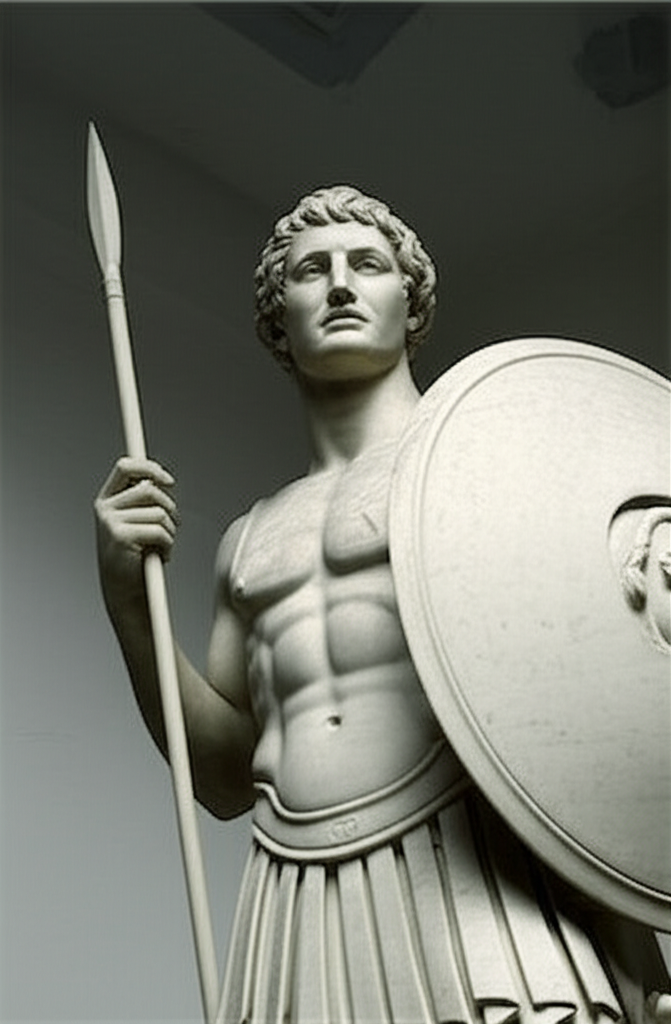
The unique environment of battle amplifies every human emotion. The sounds, the sights, the immediate threat of death – all conspire to overwhelm the senses and test the will. Yet, it is precisely in this maelstrom that courage shines brightest. It is the soldier who, despite the instinct to flee, holds their ground; the leader who, facing overwhelming odds, inspires their comrades; the individual who, seeing a comrade fall, risks their own life for rescue. This is not a mindless act, but often a conscious, albeit rapid, assessment of duty, loyalty, and purpose. The battlefield becomes a stage where the internal philosophical struggle of the individual plays out in the most dramatic fashion.
The Enduring Legacy: Why Courage Matters Beyond the Fray
The philosophical examination of courage is not confined to the battlefield. The insights gleaned from analyzing courage in its most extreme manifestation have profound implications for everyday life. To understand courage is to understand a fundamental aspect of human flourishing, applicable to moral dilemmas, personal challenges, and the pursuit of justice.
Here are some key philosophical perspectives on courage, drawn from the Great Books:
- Plato (e.g., Laches, Republic): Courage as a form of knowledge—knowing what is truly to be feared and what is not. It is closely tied to wisdom and temperance.
- Aristotle (Nicomachean Ethics): Courage as a virtue, the mean between cowardice and recklessness, exercised for the sake of the noble.
- Homer (The Iliad): Portrays heroic courage as a blend of martial prowess, loyalty, and a strong sense of honor and glory, often driven by fate.
- Stoics (e.g., Epictetus, Marcus Aurelius): Emphasized inner fortitude, the control over one's reactions to external events, and facing adversity with rational equanimity. Courage here is an internal strength, a resilience of the mind.
These diverse perspectives collectively underscore the enduring human fascination with courage, recognizing its multifaceted nature and its critical role in both personal and collective well-being.
The Timeless Call to Fortitude
Ultimately, the essence of courage in battle, as elucidated by centuries of philosophical inquiry, is a testament to the human spirit's capacity for self-mastery. It is a nuanced interplay of emotion, reason, and virtue, constantly navigating the precipice between Vice and noble action. To understand courage is to understand a cornerstone of human dignity and a timeless ideal that continues to inspire, both on the battlefield and in the quiet struggles of everyday life. It is a reminder that while the conditions of War and Peace may change, the fundamental human quest for fortitude remains eternal.
📹 Related Video: PLATO ON: The Allegory of the Cave
Video by: The School of Life
💡 Want different videos? Search YouTube for: ""Aristotle on Courage" or "Plato's Laches summary philosophy""