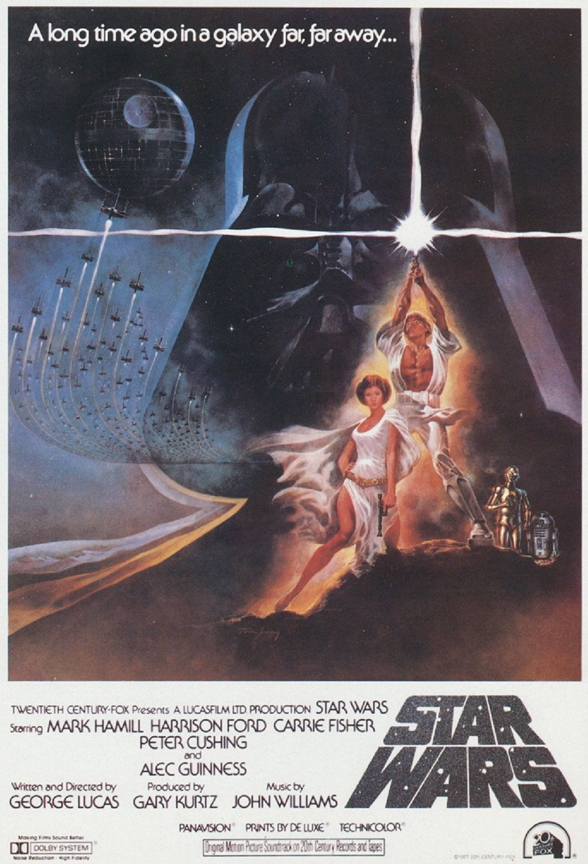
What does truth look like in a world where it can be bent, blurred, or even bought? Look no further than the galaxy George Lucas gave us. Star Wars is not just a story of Jedi and Sith — it is a mirror for our own battle over what to believe.
When Star Wars premiered in 1977, it wasn’t simply a film. It was an act of cultural imagination: a myth reborn in the age of cinema. The Force gave us a language of light and dark, balance and collapse. Lucas’s dusty binders of drafts became, against all odds, a universal scripture. Today, millions quote it with more conviction than they apply to politics, history, or science.
That’s the strange lesson: in a time when truth fractures, fiction can feel more stable. People may distrust peer-reviewed journals, yet believe wholeheartedly in the destiny of Luke Skywalker. In that way, Star Wars is truer than most truths we fight over — not because it happened, but because it resonates.
Star Wars is our slowed truth: war and empire, rebellion and hope, compressed into a saga we can hold, rewatch, and debate without end.
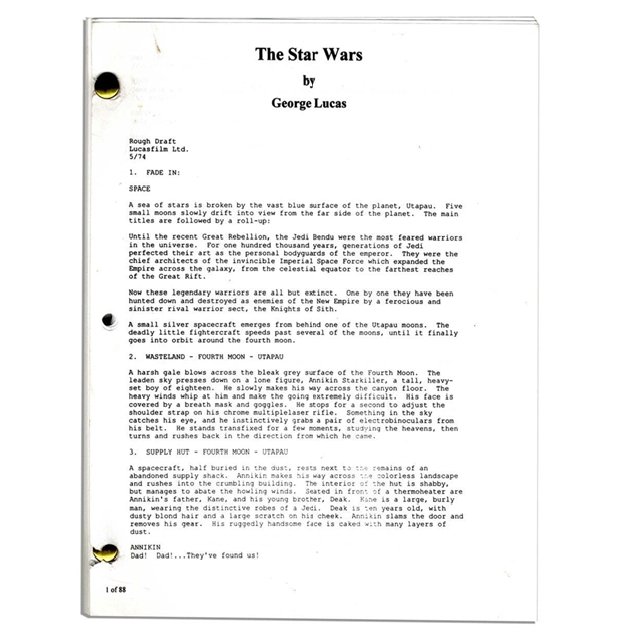
The fragility of truth in our own galaxy is sobering. Belief itself has become quantized: truths spread if enough people share them, regardless of whether they stand on reason. We legislate identity, contest science, and play politics with life and death. Yet in the background, the hum of lightsabers reminds us that imagination may be our most enduring survival tool.
So, did Star Wars “really happen”? Not in any historical ledger. But in human consciousness, it did — and still does. It is our secular scripture, a parable reminding us that every empire collapses, every rebellion rises, and that hope survives only if we keep telling the story.
In the end, the battle for truth is never over. The Force, after all, is always with us.