

The Enduring Echoes of Nobility: Reclaiming the Aristocratic Virtue of Honor
Summary: In an age often characterized by fleeting trends and individualistic pursuits, the classical notion of Honor—particularly as it was understood within an Aristocracy of character—offers a profound lens through which to examine enduring human values. This article explores how honor, deeply intertwined with Custom and Convention and the rigorous demands of Duty, served as a foundational virtue, guiding individuals and societies towards excellence and integrity, as illuminated by the timeless texts of the Great Books of the Western World.
The Weight of a Name: Understanding Aristocratic Honor
To speak of honor today often conjures images of reputation or personal pride. Yet, for the ancients, and particularly within the framework of philosophical and societal aristocracy, honor was a far more profound and demanding virtue. It wasn't merely about how one was perceived, but about an intrinsic moral worth, a commitment to a code of conduct that transcended mere self-interest. This was an honor rooted in aretē—excellence—and a deep-seated understanding of one's place and responsibilities within the cosmos and the community.
From the epic heroes of Homer, where Hector's defense of Troy is a testament to his honor, to the Stoic philosophers who championed inner integrity above all else, the Great Books reveal honor as a cardinal virtue. It was a quality that demanded courage, wisdom, justice, and temperance, not as separate attributes, but as facets of a unified and noble character.
- Homeric Honor: Often tied to glory (kleos) and public recognition, but underpinned by bravery and loyalty.
- Platonic Honor: Associated with the spirited part of the soul, driving individuals towards noble deeds and self-mastery.
- Aristotelian Honor: A "prize of virtue," a recognition of one's moral excellence, but never to be sought for its own sake.
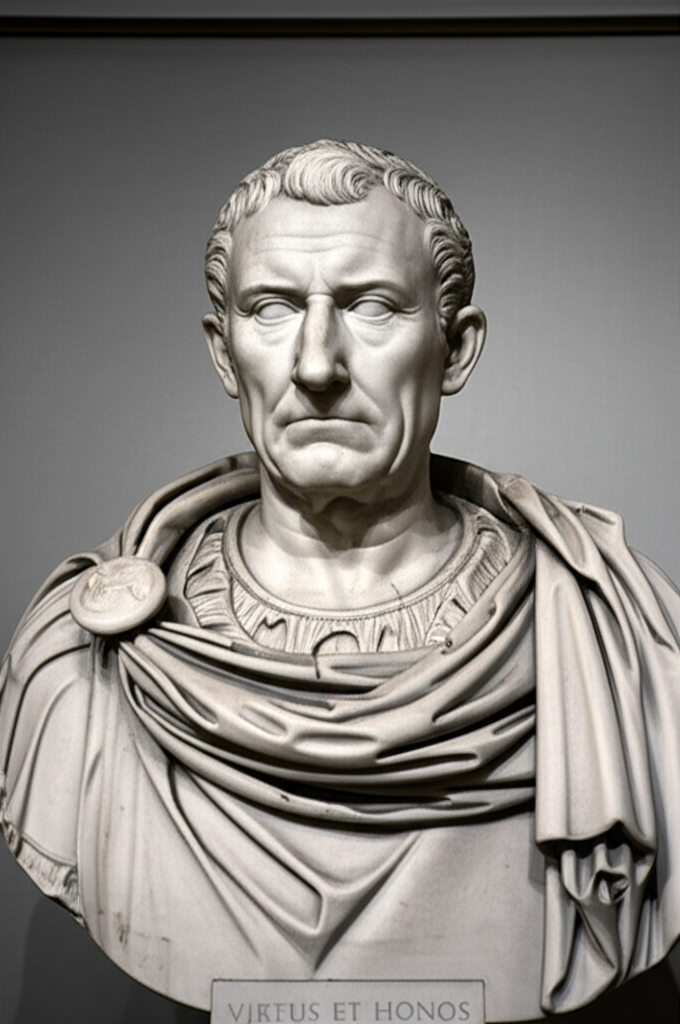
- Roman Honor (Honos): Closely linked with civic duty (pietas) and military valor (virtus), essential for the Republic's stability.
Custom and Convention: The Crucible of Character
The aristocratic virtue of honor did not exist in a vacuum; it was meticulously cultivated and maintained through societal Custom and Convention. These unwritten laws, passed down through generations, established the benchmarks for honorable conduct and the severe penalties—social ostracization, shame, or even exile—for their transgression. A society that valued honor created a framework where individuals were constantly reminded of their obligations to a higher standard.
Consider the intricate social codes of ancient Greece or the Roman Republic. A citizen's standing, their ability to lead, and their very identity were inextricably linked to their adherence to these conventions. Public life, from the agora to the Senate, was a stage where honor was constantly tested and displayed. The collective memory of past heroes, their sacrifices and virtues, served as a powerful moral compass, reinforcing the idea that true nobility was earned through adherence to communal ideals, not merely inherited.
Key Aspects of Custom's Role:
- Social Reinforcement: Public praise and condemnation served as powerful motivators.
- Educational Foundation: Children were raised on stories of honorable deeds and cautionary tales of disgrace.
- Ritual and Ceremony: Public rites often emphasized oaths, loyalty, and commitment to shared values.
- Legal & Ethical Overlap: Many unwritten customs held as much, if not more, sway than codified laws in shaping behavior.
The Unwavering Call of Duty
At the very heart of aristocratic honor lies the profound concept of Duty. Honor was not a passive state but an active engagement with one's responsibilities. Whether it was the philosopher's duty to seek truth, the statesman's duty to serve the polis, or the soldier's duty to defend the realm, honor compelled individuals to fulfill their obligations, often at great personal cost.
The Great Books are replete with examples of characters whose lives are defined by their sense of duty. Antigone's unwavering commitment to burying her brother, despite Creon's decree, is a tragic yet powerful illustration of duty to divine law and family honor. Cicero's treatises on On Duties provide a systematic exploration of moral obligations, arguing that true honor stems from acting justly and virtuously for the common good.
Manifestations of Duty in the Context of Honor:
- Duty to Self: Maintaining one's integrity, self-respect, and moral consistency.
- Duty to Family: Protecting one's lineage, upholding the family name, and ensuring its prosperity.
- Duty to Community/State: Contributing to the common good, participating in civic life, defending the homeland.
- Duty to the Divine/Cosmos: Adhering to universal moral laws, respecting the natural order, and fulfilling one's purpose.
This commitment to duty was not seen as a burden but as the path to true freedom and self-realization. To shirk one's duty was to betray oneself, one's community, and ultimately, one's honor.
Reclaiming a Noble Ideal in Modernity
While the explicit structures of classical aristocracy may have faded, the underlying principles of the aristocratic virtue of honor remain profoundly relevant. In a world grappling with questions of integrity, leadership, and collective responsibility, understanding honor as a commitment to excellence, shaped by ethical custom and convention, and expressed through unwavering duty, offers a powerful framework. It challenges us to look beyond superficial reputation and embrace a deeper, more demanding standard of character. To contemplate honor in its classical sense is to engage with the very essence of what it means to live a life of dignity, purpose, and enduring value.
📹 Related Video: ARISTOTLE ON: The Nicomachean Ethics
Video by: The School of Life
💡 Want different videos? Search YouTube for: ""Aristotle Ethics: Virtue, Eudaimonia, and Moral Character""
📹 Related Video: STOICISM: The Philosophy of Happiness
Video by: The School of Life
💡 Want different videos? Search YouTube for: ""Cicero On Duties: Stoic Philosophy for Public Life""