

Philosophy: The Enduring Pursuit of Wisdom
Philosophy, at its heart, is not merely an academic discipline but a profound and timeless quest for understanding the deepest truths of existence. Deriving its very name from the Greek philosophia, meaning "love of wisdom," it stands as humanity's enduring commitment to seeking not just knowledge, but a profound comprehension of Being itself. This article explores how philosophy serves as our most rigorous pathway to wisdom, distinguishing it from mere accumulation of facts and highlighting its transformative power in shaping our understanding of the world and our place within it.
The Ancient Call: Defining Philosophy and Wisdom
From the bustling agora of ancient Athens to the quiet contemplation of monastic cells, the impulse to philosophize has always been driven by a fundamental human desire: the yearning for wisdom. But what exactly is this elusive quality that philosophers have pursued for millennia?
Sophia, or wisdom, in the classical sense, is far more than possessing a vast storehouse of information. It is the ability to discern truth, to understand the fundamental nature of reality, and to live a good and meaningful life in accordance with that understanding. It involves a deep insight into the principles that govern the cosmos and human experience, often leading to a serene acceptance or a passionate engagement with life's complexities.
The Great Books of the Western World are replete with examples of this pursuit. Socrates, famously declaring his own wisdom lay in knowing that he knew nothing, exemplified the philosophical method as a continuous questioning, a relentless peeling back of layers of assumption to reveal deeper truths. His dialogues, recorded by Plato, are not just debates; they are exercises in collaborative wisdom-seeking, challenging individuals to examine their beliefs and their very Being.
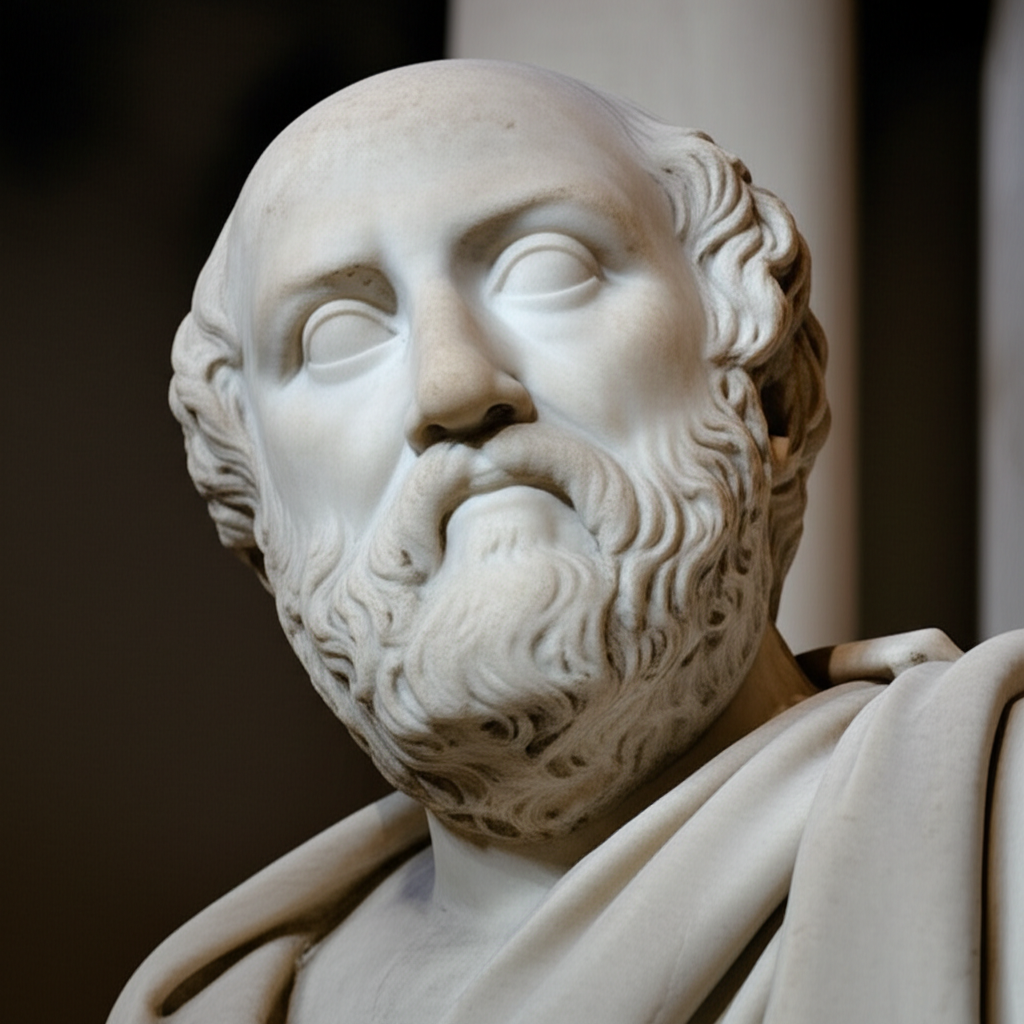
From Knowledge to Wisdom: A Transformative Journey
While often conflated, knowledge and wisdom are distinct yet interconnected concepts. Knowledge is the acquisition of facts, information, and skills through experience or education. It's knowing what is. Wisdom, however, transcends this. It's knowing why it is, how it connects to everything else, and what its implications are for life and Being.
Consider the following distinctions:
| Feature | Knowledge | Wisdom |
|---|---|---|
| Nature | Factual, informational, often specialized | Holistic, insightful, practical, concerned with meaning and value |
| Acquisition | Learning, memorization, experience | Reflection, introspection, synthesis of experiences, understanding of consequences and context |
| Application | Problem-solving, technical skill | Sound judgment, ethical decision-making, understanding of human nature and the cosmos |
| Relationship to Being | Describes aspects of reality | Understands the fundamental nature and interconnectedness of Being itself, purpose, and existence |
| Goal | Understanding what is | Understanding why things are and how to live well |
Aristotle, in his Nicomachean Ethics, distinguished between different kinds of knowledge, including episteme (scientific knowledge) and phronesis (practical wisdom or prudence). Phronesis is the intellectual virtue concerned with action, with knowing how to deliberate well about what is good and advantageous for oneself and for humanity. It is the very essence of applied wisdom, guiding our choices and our character.
Philosophical Pathways to Deeper Understanding
Different philosophical traditions offer unique lenses through which to pursue wisdom, each contributing to a richer understanding of Being and our place within it.
- Metaphysics: This branch of philosophy directly confronts the nature of Being itself, asking fundamental questions about reality, existence, and causality. By exploring concepts like substance, time, and consciousness, metaphysics seeks to uncover the ultimate structure of reality, a foundational step toward wisdom.
- Epistemology: How do we know what we know? Epistemology critically examines the nature, scope, and limits of knowledge. A wise person understands the limitations of their own knowing, distinguishing justified belief from mere opinion, a lesson central to the Socratic method.
- Ethics: What constitutes a good life? How should we act? Ethics provides frameworks for moral reasoning and living a virtuous existence. From Plato's concept of the Good to Kant's categorical imperative, ethical inquiry guides us toward living wisely and justly.
- Logic: The study of valid reasoning helps us to think clearly, identify fallacies, and construct sound arguments. This intellectual rigor is indispensable for discerning truth from falsehood, a crucial component of wisdom.
Through these interconnected fields, philosophy encourages us to move beyond superficial understanding, to question assumptions, and to engage with the world and ourselves in a more profound, reflective manner. It is this persistent questioning and rigorous self-examination that cultivates true wisdom.
The Enduring Relevance of Wisdom in the Modern World
In an age overwhelmed by information, the distinction between knowledge and wisdom has never been more critical. We have unprecedented access to facts, data, and diverse perspectives, yet true wisdom often feels elusive. Philosophy provides the tools to navigate this complexity, to synthesize disparate pieces of information into a coherent worldview, and to make meaningful choices in an increasingly complex world.
The pursuit of wisdom through philosophy is not about finding definitive answers to every question, but rather about cultivating a disposition: a love of truth, an openness to inquiry, a capacity for critical self-reflection, and a deep appreciation for the mystery and wonder of Being. It's about striving to live thoughtfully, ethically, and with a profound sense of purpose.
📹 Related Video: What is Philosophy?
Video by: The School of Life
💡 Want different videos? Search YouTube for: ""What is Philosophy?" crash course philosophy, "The Meaning of Wisdom" ancient philosophy"