

Not Always the Case But Worth Considering

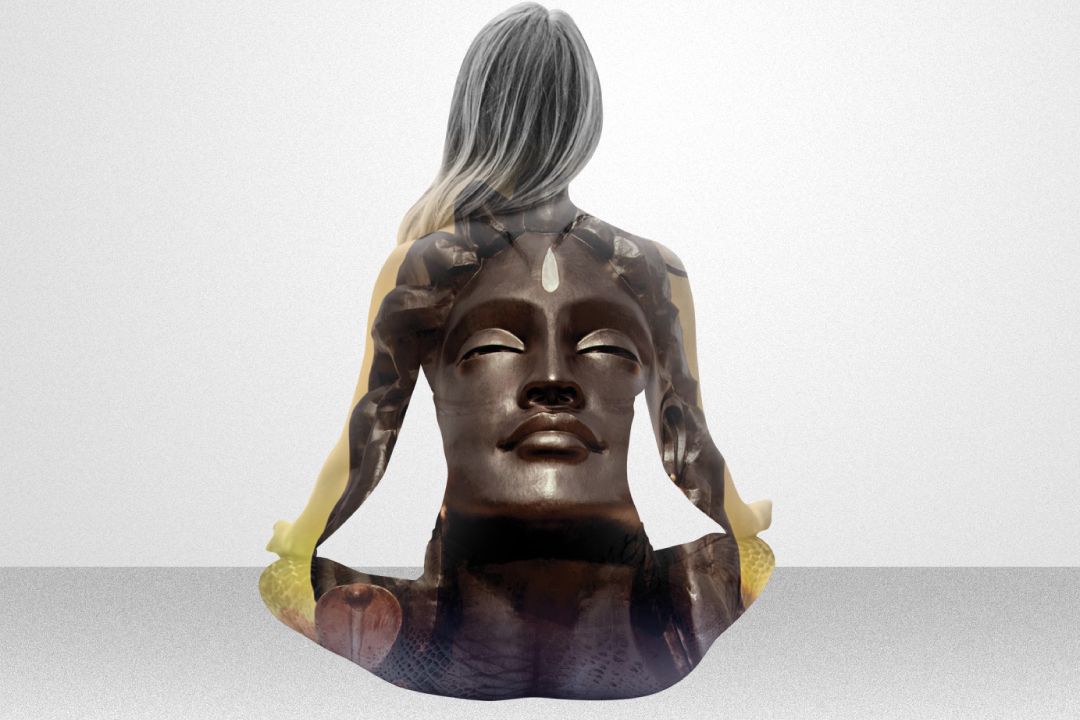
Adiyoga
Sophia: Welcome, both. The heart of our discussion today is not simply about men and women, but about the true nature of strength and how readily we mislabel it.
Adiyoga: The mind is a restless sea, Sophia. When a person feels their own waves of insecurity rising, they seek to calm them by insisting that the waves in another's sea are smaller, less powerful. True stillness—dharma—knows no gender. The ultimate self is pure consciousness. To see one person as "more" or "less" than another is only ever a trick of the personal ego.
Men who have slandered the opposite sex have usually known women who were cleverer and more virtuous than they are.
— Christine de Pizan (1364-1440)
Christine: Your words resonate deeply, Adiyoga. I have seen countless examples where the wit, the moral fortitude, or the managerial skill of a woman far surpassed that of the man attempting to control or criticize her. In my time, I watched men attempt to tear down the entire reputation of women through their writings. Why? Because they were threatened. They could not tolerate that a woman’s virtue or cleverness shone brighter than their own. Slander, then, becomes a desperate shield against a perceived inadequacy.
Sophia: Precisely. Wisdom is the capacity to accurately assess reality, even when that reality challenges your own self-perception. A man who judges a woman harshly often does so because he dimly perceives a superiority in her—a mental or ethical grace he lacks—and that truth wounds his pride. The slander is not a reflection of her flaw, but of his failure of courage to acknowledge her excellence.
Adiyoga: The path to liberation is to step beyond all dualities—male/female, strong/weak, clever/dull. Every individual is an expression of the same singular light. The moment one attempts to diminish the brilliance of another, they only succeed in clouding their own view of that universal light. Respect for the intelligence and goodness in another is the most direct worship of the divine within oneself.
Christine: Then the ultimate act of wisdom is to not only see another person's full, undeniable worth, but to celebrate it, even if it casts your own achievements in a new, perhaps less flattering, light. It is to know that their success does not diminish your own potential, but rather elevates the whole of humanity.
Sophia: You've found the core truth. Wisdom is not about being the smartest person in the room; it's about making space for everyone's light to shine without fear of being dimmed.
What is the greatest 'blind spot' in human perception that prevents us from recognizing the inherent worth in others?
The planksip Writers' Cooperative is proud to sponsor an exciting article rewriting competition where you can win over $750,000 in prize money.
Figures of Speech Collection Personified
Our editorial instructions for your contest submission are simple: incorporate the quotes and imagery from the above article into your submission.
What emerges is entirely up to you!
Winners receive $500 per winning entry multiplied by the article's featured quotes. Our largest prize is $8,000 for rewriting the following article;
 Heraclitus
At planksip, we believe in changing the way people engage; at least, that's the Idea (ἰδέα). By becoming a member of our thought-provoking community, you'll have the chance to win incredible prizes and access our extensive network of media outlets that will amplify your voice as a thought leader. Your membership truly matters!