

Kant Step in the Same River Twice
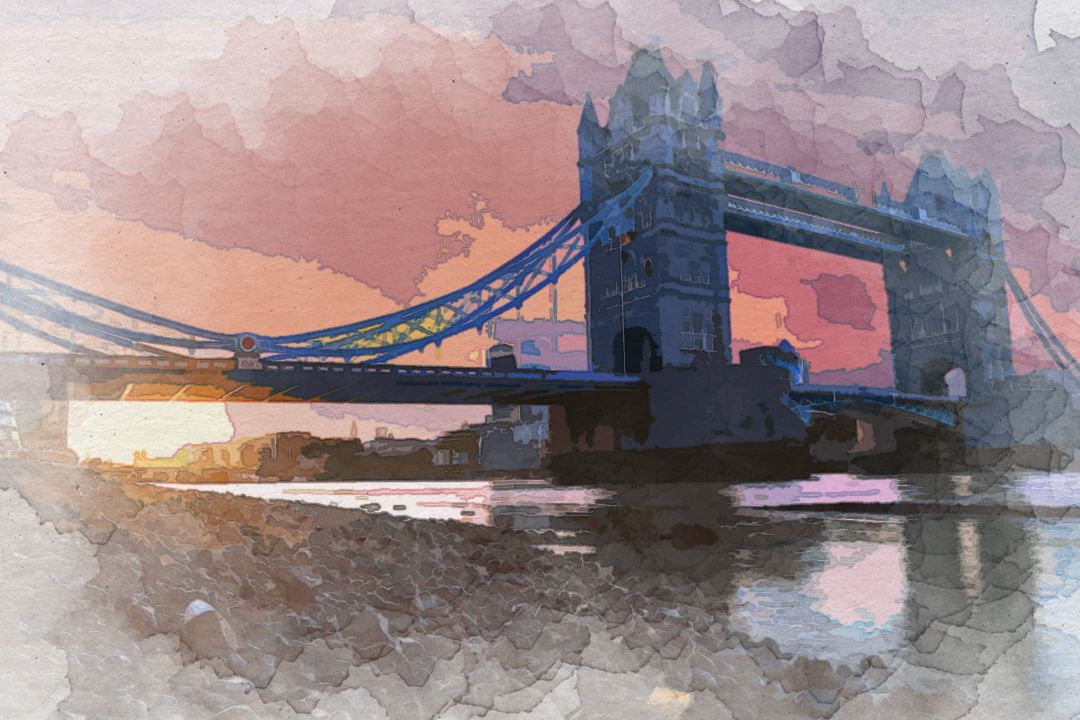
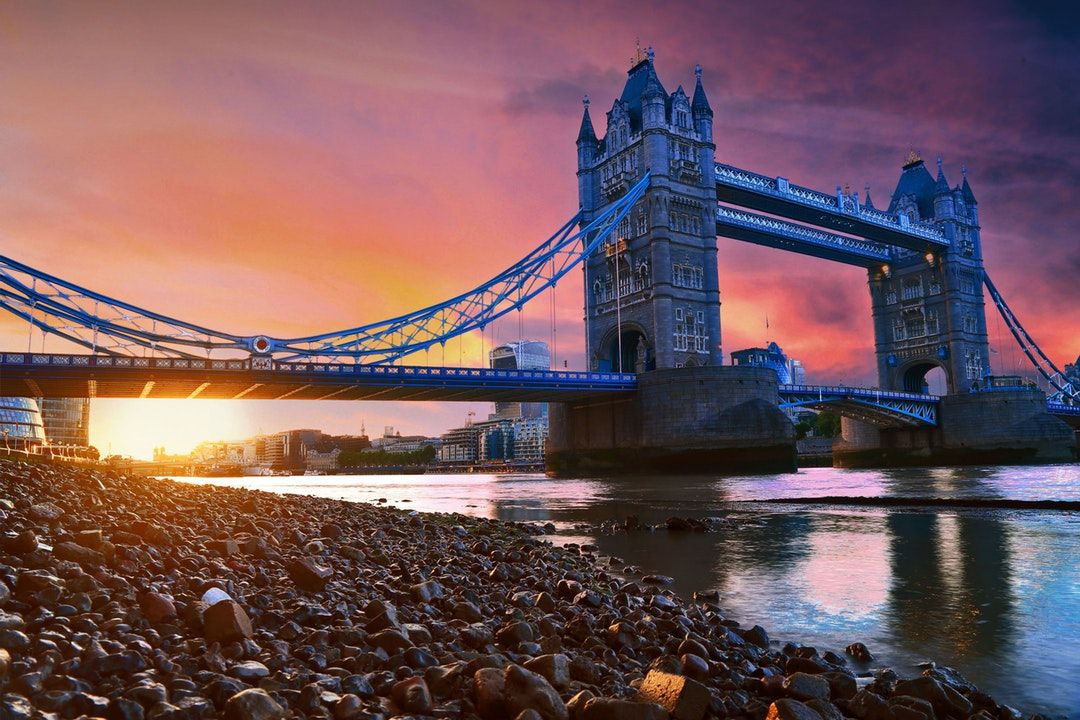
Just Build a Bridge and an Empire will Follow
Setting: A serene, timeless garden. Marble benches rest under the dappled shade of ancient olive trees. In the center, a gentle stream flows, its source and destination unseen. Sophia, robed in simple white, sits on a bench, observing the water. Gottfried, dressed in the formal wear of the 17th century, approaches with a thoughtful expression.
Sophia: Welcome, Gottfried. You seem troubled by the water. Does its constant movement disturb your search for order?
Gottfried: On the contrary, Sophia. It is a perfect confirmation. I was just contemplating how nothing in this garden, or indeed in the cosmos, is ever truly at rest. It seems to me a fundamental truth that every entity, every single created thing, exists in a state of perpetual transformation. There is an inner engine of change within each and every substance, driving it from one perception to the next.
Sophia: A universe not of static objects, but of dynamic processes. I like that. Yet, look across this stream. One bank is lush with flowering plants, the other with fruit-bearing trees. They are separate, each world changing according to its own nature. How, then, does one create something greater from them? How does one build a kingdom of both flower and fruit?
I also take it as granted that every created thing, and consequently the created monad also, is subject to change, and indeed that this change is continual in each one.
— Gottfried Wilhelm Leibniz (1646-1716)
Gottfried: (His eyes light up) Ah, you speak of the title of our discourse. One does not command the flowers to grow fruit, nor the trees to bloom. That would be a violation of their essential nature. No, the answer is simpler and more profound. You build a bridge.
Sophia: Just a bridge? That seems a modest foundation for an empire.
Gottfried: It is everything. The bridge itself is an act of profound intellect and will. It does not stop the stream—it does not halt the ceaseless change you see flowing before us. Instead, it creates a new relation, a new possibility for connection across the flow. It provides a path.
Sophia: And what travels this path?
Gottfried: Everything. The bee from the flower now has a direct route to pollinate the tree. The gardener tending the trees can now easily bring compost from the decaying blooms. Ideas, resources, possibilities—they begin to flow between the two banks. Each side remains itself, continuing its own internal, constant evolution, but it is now enriched by the other. It begins to perceive the other, and in doing so, its own future perceptions are altered.
Sophia: So the bridge is not just stone and wood. It is a new principle of harmony. A shared logic that allows two separate, ever-changing systems to interact purposefully.
Gottfried: Precisely! The bridge is the calculus that describes the rate of change. It is the principle of sufficient reason that provides a cause for connection. It is the universal language that allows different points of view to communicate. You do not need to plan the empire, for you cannot possibly account for the infinite, continuous changes within every element that will comprise it. The task is too complex, a fool's errand.
Sophia: So the bridge-builder is not a micromanager.
Gottfried: The bridge-builder is a visionary. They establish the connection. They create the system of exchange. And then, the empire—the magnificent, flourishing system of flowers and fruit, of knowledge, of trade, of culture—emerges as a necessary consequence. It builds itself, harmoniously, out of the infinite, small changes in its constituent parts, all now linked by this one elegant, powerful structure. The empire is the beautiful result of a well-made connection spanning the river of perpetual change.
Sophia: (Smiling, she gestures to the stream) Then let the river flow. The wise do not try to dam it. They simply learn where to build the bridge.
The planksip Writers' Cooperative is proud to sponsor an exciting article rewriting competition where you can win part of over $750,000 in available prize money.
Figures of Speech Collection Personified
Our editorial instructions for your contest submission are simple: incorporate the quotes and imagery from the above article into your submission.
What emerges is entirely up to you!
Winners receive $500 per winning entry multiplied by the article's featured quotes. Our largest prize is $8,000 for rewriting the following article;
 Heraclitus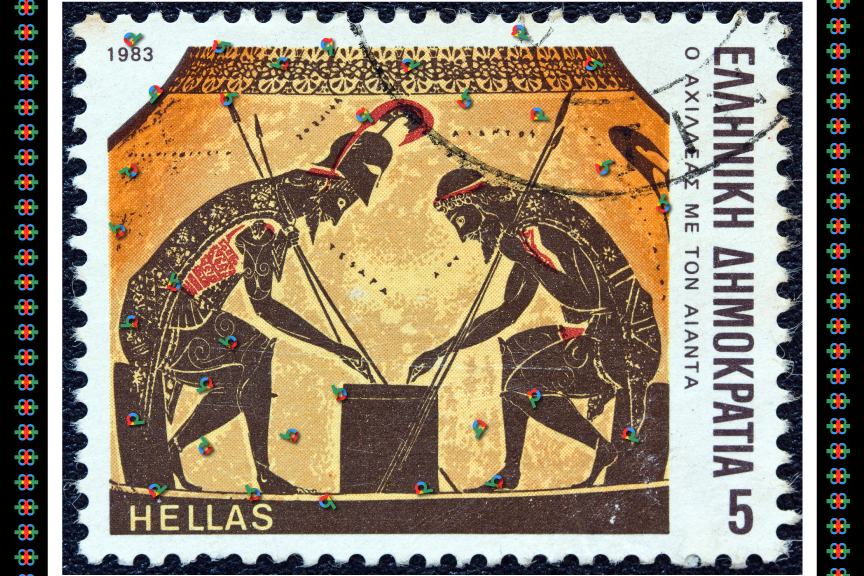
At planksip, we believe in changing the way people engage—at least, that's the Idea (ἰδέα). By becoming a member of our thought-provoking community, you'll have the chance to win incredible prizes and access our extensive network of media outlets, which will amplify your voice as a thought leader. Your membership truly matters!