

The Crucible of Character: Honor, Courage, and the Military Ethos
The military, throughout history, has served as a profound crucible for human character, demanding virtues that resonate deeply with philosophical inquiry. At its core, the military ethos is often defined by an unwavering commitment to honor, courage, and duty, concepts that have captivated thinkers from ancient Greece to the present day. This article explores the intricate relationship between these cardinal virtues and the military profession, examining their historical evolution and enduring relevance in contexts of both war and peace. From the epic narratives of antiquity to the complex realities of modern conflict, understanding these principles is crucial for grasping the human condition under extreme pressure.
The Enduring Pillars: Honor and Duty
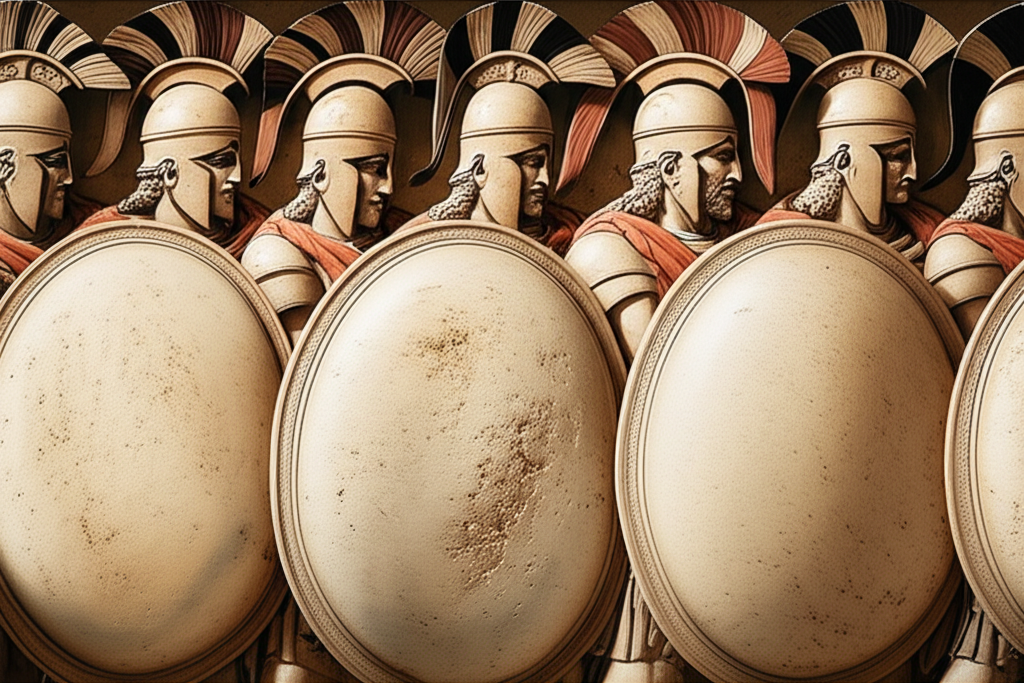
From the earliest recorded histories, the concept of honor has been inextricably linked to the warrior class. It's more than just reputation; it's an internal compass, a commitment to a code of conduct that dictates moral integrity, respect, and fidelity. In the military context, honor often manifests as loyalty to comrades, adherence to orders, and upholding the values of one's nation or unit. This deep-seated commitment is often expressed through duty – the moral or legal obligation to perform a task or service.
The Great Books of the Western World offer countless examples of this linkage. Homer's Iliad is a foundational text, where characters like Achilles and Hector constantly grapple with their personal honor, the honor of their lineage, and their duty to their people and gods. For them, death in battle was often preferable to dishonor. Similarly, in Plato's Republic, the guardians (soldiers) are educated to embody virtues like courage and justice, which are paramount to their honorable duty to protect the state. Aristotle, in his Nicomachean Ethics, discusses honor as a good, though secondary to virtue itself, often bestowed upon those who perform noble actions, particularly in service to the community.
The Weight of Obligation: Defining Duty
Duty in the military is multifaceted, encompassing:
- Duty to Country: The ultimate allegiance and willingness to sacrifice for the nation.
- Duty to Comrades: The unbreakable bond of loyalty and mutual support within a unit.
- Duty to Mission: The unwavering commitment to achieve assigned objectives.
- Duty to Self: Maintaining personal integrity and upholding one's moral compass even amidst adversity.
These layers of obligation create a powerful framework that guides military personnel, often demanding actions that transcend personal comfort or safety.
Courage Beyond the Battlefield
Courage, often misunderstood as merely the absence of fear, is perhaps the most visible virtue associated with the military. However, philosophical traditions reveal it to be far more nuanced. Aristotle defined courage as a mean between rashness and cowardice, a rational choice to face fear for a noble purpose. It's not about being fearless, but about acting rightly in the face of fear.
Facets of Military Courage:
- Physical Courage: The bravery to face physical danger, injury, or death. This is the most commonly recognized form, essential for direct engagement in conflict.
- Moral Courage: The strength to do what is right, even when it is unpopular, difficult, or carries personal risk. This includes speaking truth to power, upholding ethical standards, and standing against injustice within one's own ranks.
- Intellectual Courage: The willingness to challenge assumptions, admit mistakes, and pursue truth even when it contradicts established beliefs or personal biases. This is crucial for strategic thinking and adaptation.
- Endurance/Perseverance: The sustained ability to withstand hardship, pain, and adversity over prolonged periods, both physically and psychologically.
These forms of courage are not mutually exclusive but often intertwine, shaping the character of individuals and the effectiveness of military units.
War, Peace, and the Human Condition
The military exists in the liminal space between war and peace. While courage, honor, and duty are often highlighted during times of conflict, their significance extends profoundly into periods of peace and preparation. Thinkers from the Great Books collection have grappled with the very nature of war and the aspirations for peace. Thucydides' History of the Peloponnesian War offers a stark, realistic account of human nature and power politics, showing how even honorable intentions can lead to devastating conflict. Saint Augustine, in The City of God, introduced the concept of "just war" theory, attempting to delineate ethical conditions under which warfare could be considered morally permissible, thus linking military action to higher moral principles of justice and ultimately, peace.
Immanuel Kant, in his essay Perpetual Peace, envisioned a world order where perpetual peace could be achieved through international cooperation and republican governance, moving beyond the cycles of war driven by national interests. This philosophical journey from the necessity of defending the state to the aspiration for lasting peace underscores the enduring tension within the human condition that the military embodies. The virtues cultivated in service – discipline, resilience, and a commitment to a greater good – are not only tools for war but also essential for building and maintaining peace.
The Modern Dilemma and Enduring Relevance
In contemporary society, where warfare is often technological and asymmetric, and the lines between combatant and civilian can blur, the application of honor, courage, and duty faces new challenges. Yet, their foundational importance remains undiminished. They provide a moral compass in complex ethical landscapes, guiding decisions under extreme pressure and upholding the dignity of individuals even in the most dehumanizing circumstances. The philosophical reflection on these virtues continues to inform military ethics, leadership training, and public discourse surrounding the role of the armed forces in a globalized world.
Cultivating Virtue: A Continuous Effort
The cultivation of these virtues is not a one-time event but a continuous process, demanding self-reflection, education, and practice. It is a testament to the enduring human quest for meaning, purpose, and ethical conduct, even in the face of life's most profound challenges.
Suggested Further Exploration
📹 Related Video: PLATO ON: The Allegory of the Cave
Video by: The School of Life
💡 Want different videos? Search YouTube for: ""Plato's Republic on Justice and the Ideal State""
📹 Related Video: ARISTOTLE ON: The Nicomachean Ethics
Video by: The School of Life
💡 Want different videos? Search YouTube for: ""Aristotle Nicomachean Ethics Courage Virtue""