

Honor, Courage, and the Military: A Philosophical Examination
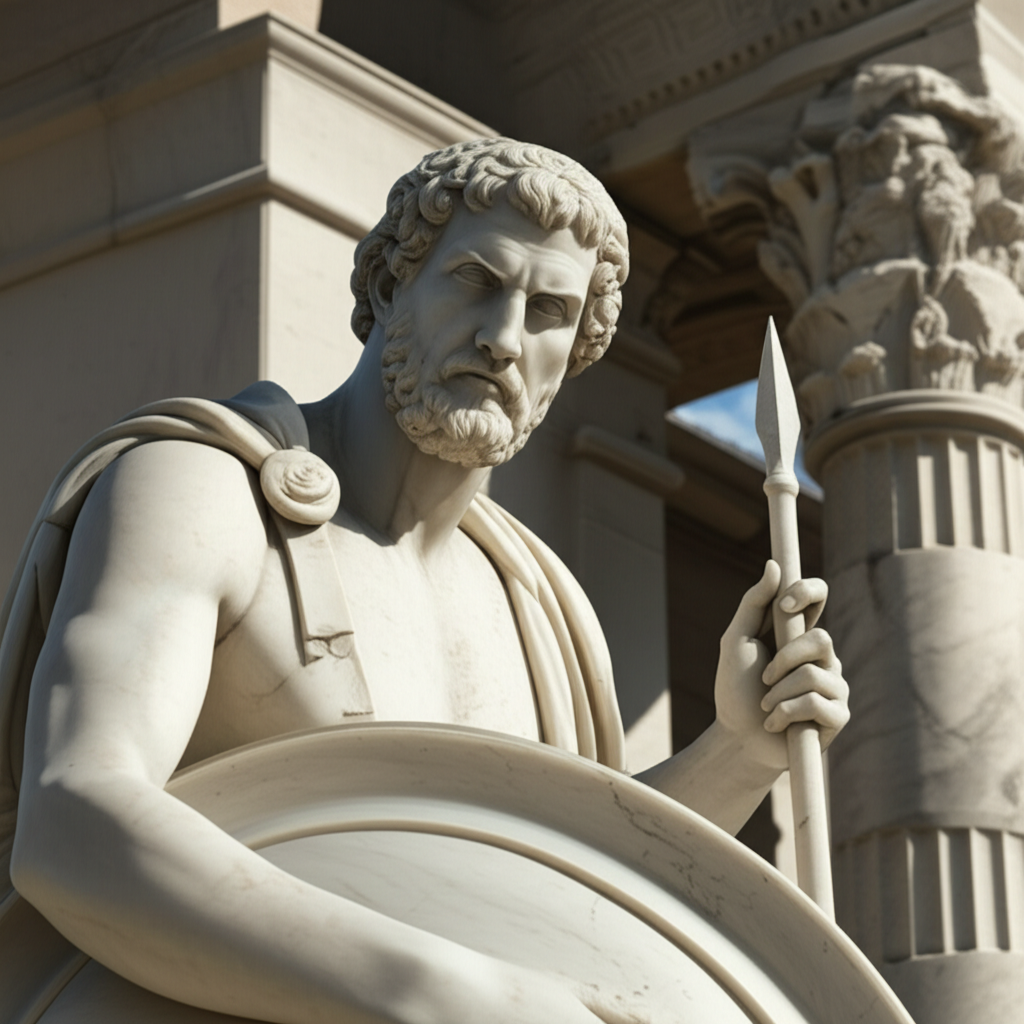
The concepts of Honor, Courage, and Duty are not merely abstract ideals; they are the very bedrock upon which military traditions, ethical codes, and personal integrity are built. From the ancient battlefields of Homeric epics to the complex conflicts of the modern age, these virtues have shaped the soldier's identity and defined the moral landscape of War and Peace. This article delves into the philosophical underpinnings of these cardinal virtues, exploring their historical evolution and their profound significance for those who serve. We seek to understand not just what these words mean, but how they function as guiding principles in the face of ultimate sacrifice and profound responsibility.
The Enduring Legacy of Honor: A Virtue Forged in Conflict
Honor, in its most profound sense, transcends mere reputation; it is an internal compass, guiding individuals toward actions worthy of respect, both from themselves and their community. For the ancient Greeks, as illuminated in works like Homer's Iliad, timē (honor) was intrinsically linked to a warrior's prowess, their standing, and their adherence to a code of conduct. To lose honor was to lose one's very essence.
- Philosophical Roots: Aristotle, in his Nicomachean Ethics, discusses honor as a good, often sought after, but ultimately subordinate to virtue itself. True honor, he suggests, is a recognition of one's virtuous actions. In a military context, this translates to upholding principles, demonstrating integrity, and acting with rectitude even under duress.
- Components of Military Honor:
- Integrity: Adherence to moral and ethical principles.
- Loyalty: Faithfulness to comrades, unit, and nation.
- Accountability: Taking responsibility for one's actions.
- Self-respect: A personal commitment to one's own moral standards.
Honor demands that a soldier not only fight bravely but also fight justly, treating captives with dignity, adhering to rules of engagement, and upholding the values they are sworn to defend. It is the internal standard that dictates how one lives, fights, and, if necessary, dies.
Courage: The Rational Choice in the Face of Fear
Courage is perhaps the most immediately recognizable military virtue, yet its philosophical definition is far richer than a mere absence of fear. Plato, in his Laches, grapples with the definition of courage, suggesting it's not just boldness but a kind of knowledge—knowing what is truly to be feared and what is not. Aristotle, again, offers a nuanced perspective, positioning courage as a mean between rashness and cowardice.
- Aristotle's Golden Mean: For Aristotle, true Courage is a rational virtue. It involves facing danger with a clear understanding of the risks, not out of ignorance or recklessness, but out of a deliberate choice to do what is right or necessary. It is the ability to control fear, not to eradicate it.
- Manifestations of Military Courage:
- Physical Courage: Facing bodily harm or death.
- Moral Courage: Standing up for what is right, even when unpopular or dangerous to one's career.
- Intellectual Courage: Challenging assumptions, seeking truth, and admitting error.
Without Courage, the most noble intentions or the clearest sense of Duty would falter in the crucible of conflict. It is the virtue that enables action when all instincts scream for retreat.
Duty: The Unyielding Imperative and Collective Commitment
The concept of Duty binds individuals to a cause greater than themselves. It is the moral obligation to fulfill a specific role or responsibility, often involving sacrifice. In a military context, Duty is a covenant, a solemn pledge to protect and serve.
- Philosophical Foundations: From the civic obligations discussed in Plato's Crito to the Stoic emphasis on living in accordance with nature and one's role, the idea of Duty has deep philosophical roots. Immanuel Kant's categorical imperative provides a more modern philosophical framework, suggesting that moral actions are those performed purely out of a sense of duty, rather than inclination or consequence. While the military pre-dates Kant, the spirit of acting from obligation resonates.
- The Scope of Military Duty:
- To Nation: Upholding the constitution and laws of the country.
- To Unit/Comrades: Mutual support, loyalty, and ensuring collective success.
- To Self: Maintaining personal standards of excellence and readiness.
- To Humanity: Adhering to international laws of armed conflict and ethical conduct.
Duty provides the framework for discipline, cohesion, and sustained effort, especially in times of prolonged hardship or moral ambiguity. It is the unwavering commitment that underpins the military's capacity to operate effectively in War and Peace.
The Interplay: A Symbiotic Relationship
These three virtues are not isolated but form a dynamic, symbiotic relationship within the military ethos.
| Virtue | Primary Focus | Impact on Others | Role in Conflict |
|---|---|---|---|
| Honor | Internal integrity, ethical conduct | Builds trust, earns respect | Guides moral action, prevents atrocities |
| Courage | Facing fear, decisive action | Inspires confidence, enables collective action | Overcomes obstacles, achieves objectives |
| Duty | Obligation, commitment to a higher cause | Fosters unity, ensures reliability | Sustains effort, maintains discipline and order |
A soldier with Honor will feel a profound Duty to act with Courage. A commitment to Duty requires Courage to overcome personal fears and maintain Honor in challenging situations. This interconnectedness creates a robust moral framework, essential for navigating the complex realities of War and Peace. It is this intricate dance of virtues that transforms individuals into disciplined, ethical forces capable of extraordinary feats.
Conclusion: Enduring Virtues in a Changing World
The philosophical exploration of Honor, Courage, and Duty reveals that these are not static concepts but living principles that demand continuous reflection and application. From the wisdom of the Great Books of the Western World to contemporary ethical dilemmas, their relevance to the military experience remains profound. They provide a moral compass, guiding individuals through the perils of War and Peace, ensuring that service is not merely an act of force, but an embodiment of profound ethical commitment. Understanding these virtues is crucial not only for those who serve but for all citizens seeking to comprehend the moral complexities and noble aspirations inherent in military service.
YouTube: "Aristotle Nicomachean Ethics Courage"
YouTube: "Plato Duty Military Philosophy"
📹 Related Video: What is Philosophy?
Video by: The School of Life
💡 Want different videos? Search YouTube for: "Honor, Courage, and the Military philosophy"