

Fear Not, my Friend. Ease your Suffering.
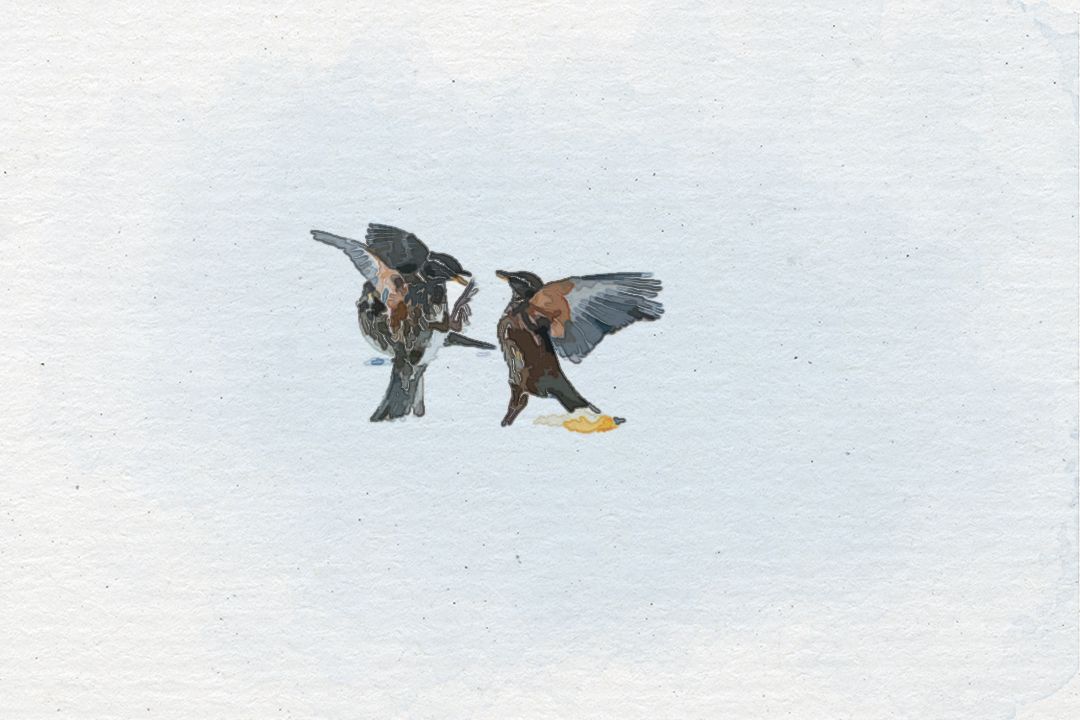
Feel My Pain — Experience My Suffering
(The scene is a tranquil, minimalist space bathed in soft, neutral light. Three simple chairs are arranged in a small circle. SOPHIA sits in one, her posture relaxed and open. MICHEL and PAULO occupy the other two, their own postures reflecting their inner turmoil. Silence hangs in the air, not empty, but expectant.)
Sophia: (Her voice is calm, like the surface of a deep lake) Welcome, Michel. Welcome, Paulo. You have carried your burdens here, and their weight is palpable. You wish for your pain to be felt, for your suffering to be known. I am here to understand. Please, speak.
Michel: (He stares at his hands, which are clasped tightly in his lap. His brow is furrowed with a permanent line of worry.) My affliction, Sophia, is a phantom. It has no body, no blade, yet it wounds me every day. I live in a state of constant defense against a sorrow that has not yet arrived. I anticipate hardship and brace for a fall that may never come. In my constant effort to steel myself against the agony of the future, I have found that I am already living in a state of anguish. My fear of suffering has become its own unique and terrible form of it.
A man who fears suffering is already suffering from what he fears.
— Michel de Montaigne (1533-1592)
Sophia: (She nods slowly, her gaze compassionate.) The shadow can indeed feel more menacing than the form that casts it. Your pain is born of anticipation. And you, Paulo? Is your suffering also a specter of things to come?
Paulo: (He looks up, his eyes filled with an exhausted sorrow.) My suffering is not a single ghost, Sophia, but two, each pulling me in an opposite direction. There is a past I am desperate to release, a memory whose ache I long to forget. Yet, a part of me holds on, waiting, hoping for a different outcome. To let go feels like a kind of death. To continue to wait feels like a slow poisoning. My true torment, the very essence of my suffering, is being suspended between these two agonies. I am paralyzed by the not knowing—which choice, which path, which pain to embrace. This inability to move forward is a torture that eclipses all others.
(Sophia takes a moment, allowing their words to settle in the quiet space. She looks from one to the other, seeing the invisible threads that connect their distinct experiences.)
Sophia: I see it now. You both speak to a profound truth. Your suffering is not a mark left by the world, but a labyrinth built within your own minds.
(She turns her gentle gaze to Michel.)
Sophia: You, Michel, are ensnared by the question of 'what if?' You live in the story of a painful tomorrow, and that story has become your reality today. The wound you fear has not been inflicted, yet you bleed from the terror of its possibility. You have built a prison from the fear of pain, only to discover you are already its captive.
(Her attention then shifts to Paulo.)
Sophia: And you, Paulo, are caught in the currents of time—torn between a past that was and a future that might be. The pain of remembrance and the pain of a long vigil hold you hostage. But the source of your deepest suffering is the indecision of this very moment. It is the void you inhabit between two choices that has become your purgatory.
(She looks at both men, her voice softening with wisdom.)
Waiting is painful. Forgetting is painful. But not knowing which to do is the worst kind of suffering.
— Paulo Coelho (1947-present)
Sophia: You ask for your pain to be felt, for your suffering to be experienced. To do so, one must walk the corridors of your own thoughts, for that is where this anguish is forged. The freedom you both seek will not be found in an escape from pain, for pain is a part of life's texture. It is found in confronting its source. For you, Michel, that means stepping out of the shadow of the future and into the light of the present moment, however imperfect it may be. For you, Paulo, it is understanding that the act of choosing—either to release the past or to fully commit to the vigil—is what will break the spell of your paralysis. The decision itself is the beginning of liberation.
The most acute suffering is not the wound itself, but the one we cultivate in the fertile soil of a fearful and undecided mind. To feel your pain is to first feel your own thoughts, and it is there, and only there, that you can begin to heal.
(A profound quiet descends once more. Michel slowly unclenches his hands. Paulo closes his eyes, a single tear tracing a path down his cheek. They are not cured, but for the first time, they seem to understand the nature of their own chains.)

The planksip Writers' Cooperative is proud to sponsor an exciting article rewriting competition where you can win part of over $750,000 in available prize money.
Figures of Speech Collection Personified
Our editorial instructions for your contest submission are simple: incorporate the quotes and imagery from the above article into your submission.
What emerges is entirely up to you!
Winners receive $500 per winning entry multiplied by the article's featured quotes. Our largest prize is $8,000 for rewriting the following article;
 Heraclitus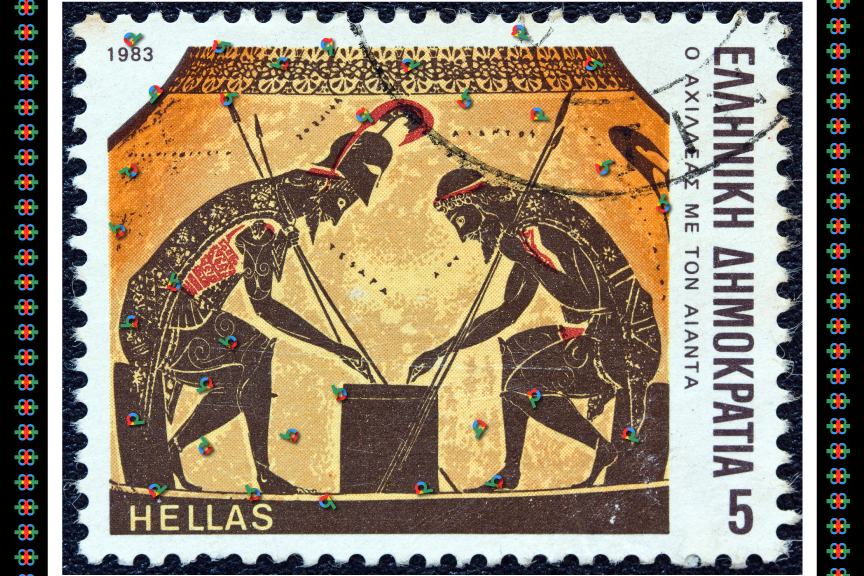
At planksip, we believe in changing the way people engage—at least, that's the Idea (ἰδέα). By becoming a member of our thought-provoking community, you'll have the chance to win incredible prizes and access our extensive network of media outlets, which will amplify your voice as a thought leader. Your membership truly matters!