

Analyzing Propaganda through Rhetoric
In an age saturated with information, discerning truth from manipulation has become an essential skill. This article delves into how rhetoric, the art of persuasion, serves as the fundamental tool in the construction and dissemination of propaganda. By understanding the intricate ways language is employed, we can better analyze the forces that shape public opinion and often influence the actions of government. Our journey will trace the philosophical roots of persuasion, as explored in the Great Books of the Western World, and apply these timeless insights to contemporary forms of influence.
The Enduring Power of Persuasion: A Philosophical Lens
From the ancient agora to the modern digital sphere, the human desire to persuade and be persuaded remains constant. Philosophers, particularly those whose works comprise the Great Books, have long grappled with the nature of effective communication and its ethical implications. It is within these foundational texts that we find the earliest, and arguably most profound, analyses of what makes an argument compelling, whether for noble or nefarious ends.
Aristotle's Triad: Ethos, Pathos, Logos
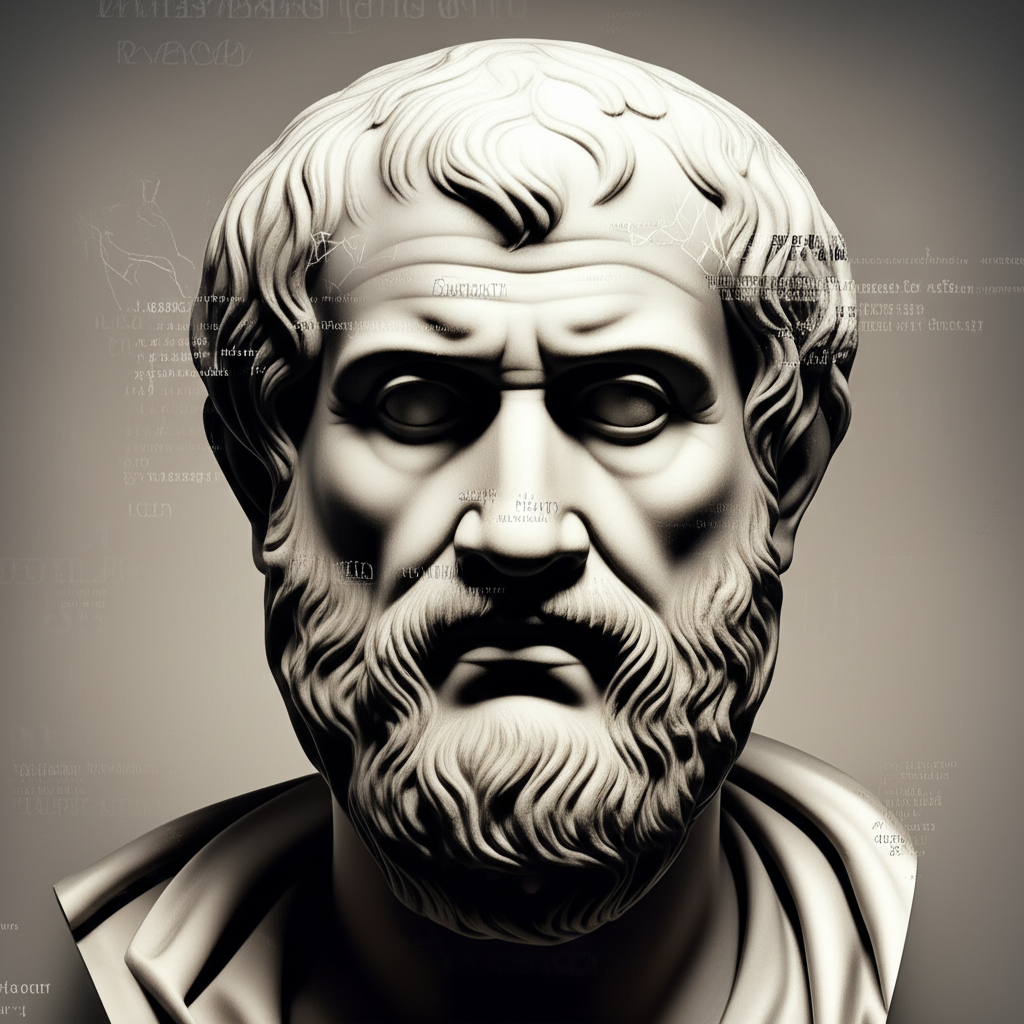
One cannot discuss rhetoric without acknowledging Aristotle, whose treatise Rhetoric remains a cornerstone of the discipline. He meticulously outlined three primary appeals that persuaders utilize:
- Ethos: The appeal to character or credibility. Propaganda often relies on establishing an authoritative voice, whether it's a charismatic leader, a respected institution, or even a seemingly neutral expert, to lend weight to its message.
- Pathos: The appeal to emotion. This is perhaps the most potent weapon in propaganda's arsenal. By evoking fear, anger, hope, or patriotism, propaganda bypasses rational thought, compelling individuals to act based on visceral responses.
- Logos: The appeal to logic or reason. While propaganda may present itself as logical, its arguments often employ fallacies, selective data, or distorted facts to create a veneer of rationality that crumbles under scrutiny.
Understanding these three appeals allows us to dissect how propaganda crafts its messages, often subtly weaving them together to maximize impact.
Propaganda's Modern Manifestations: Shaping Opinion and Control
While the principles of rhetoric are ancient, their application in propaganda has evolved with technology and societal structures. Modern propaganda, often disseminated through mass media and digital platforms, leverages these rhetorical appeals to shape public opinion on a grand scale, frequently in service of state or political objectives.
The Deceptive Dance of Language
At the heart of propaganda lies the meticulous manipulation of language. Words are not merely carriers of meaning; they are instruments of influence. Propaganda employs specific linguistic strategies to frame issues, create associations, and elicit desired responses:
- Euphemisms: Using mild or vague terms to obscure harsh realities (e.g., "collateral damage" instead of civilian deaths).
- Loaded Language: Employing words with strong emotional connotations, either positive or negative, to sway sentiment without substantive argument (e.g., "freedom fighters" vs. "terrorists").
- Repetition: Repeating slogans, phrases, or narratives until they become ingrained and accepted as truth, regardless of their factual basis.
- Generalizations: Making broad statements that lack specific evidence, often appealing to common beliefs or prejudices.
Government and the Art of Information Control
Throughout history, government entities have been both subjects and perpetrators of propaganda. From wartime morale boosting to political campaigns, the state often seeks to manage public perception. The techniques employed range from overt censorship to subtle framing of news, all designed to foster a particular narrative that supports official policy or maintains power.
Identifying the Tools of Influence: A Critical Framework
To navigate the complex landscape of persuasive communication, it is crucial to develop a critical framework for identifying propaganda. This involves looking beyond the surface message and analyzing the rhetorical strategies at play.
Common Rhetorical Devices in Propaganda:
- Ad Hominem: Attacking the character of the opponent rather than their arguments.
- Bandwagon: Appealing to the desire to belong or to be on the winning side ("Everyone else is doing it!").
- Glittering Generalities: Using vague, emotionally appealing words that are associated with highly valued concepts but carry no concrete meaning (e.g., "liberty," "justice," "progress").
- Plain Folks: Presenting the propagandist as an ordinary person who understands and empathizes with the common person.
- Testimonial: Using endorsements from respected or admired figures to promote a product, idea, or political candidate.
- Fear Appeals: Warning the audience that disaster will strike if they do not follow a particular course of action.
- Red Herring: Introducing irrelevant information to distract from the main argument.
- Straw Man: Misrepresenting an opponent's argument to make it easier to attack.
The Philosopher's Defense: Critical Engagement
Our capacity for critical thought, honed by centuries of philosophical inquiry, is our strongest defense against manipulation. By engaging with texts like Aristotle's Rhetoric, we gain not only an appreciation for the art of persuasion but also a keen eye for its potential abuses. The challenge before us is to apply this ancient wisdom to our contemporary world, fostering an informed citizenry capable of discerning truth from the persuasive illusions of propaganda.
Conclusion
Understanding rhetoric is not merely an academic exercise; it is a vital skill for navigating the modern world. Propaganda, with its sophisticated use of language to shape opinion and influence government, demands our vigilant analysis. By equipping ourselves with the insights gleaned from philosophical traditions, we can become more discerning consumers of information, fostering a society grounded in reasoned discourse rather than emotional manipulation.
YouTube Suggestions:
-
📹 Related Video: ARISTOTLE ON: The Nicomachean Ethics
Video by: The School of Life
💡 Want different videos? Search YouTube for: "Aristotle Rhetoric explained"
-
📹 Related Video: PLATO ON: The Allegory of the Cave
Video by: The School of Life
💡 Want different videos? Search YouTube for: "Propaganda techniques analysis"