

"You talking to me?"
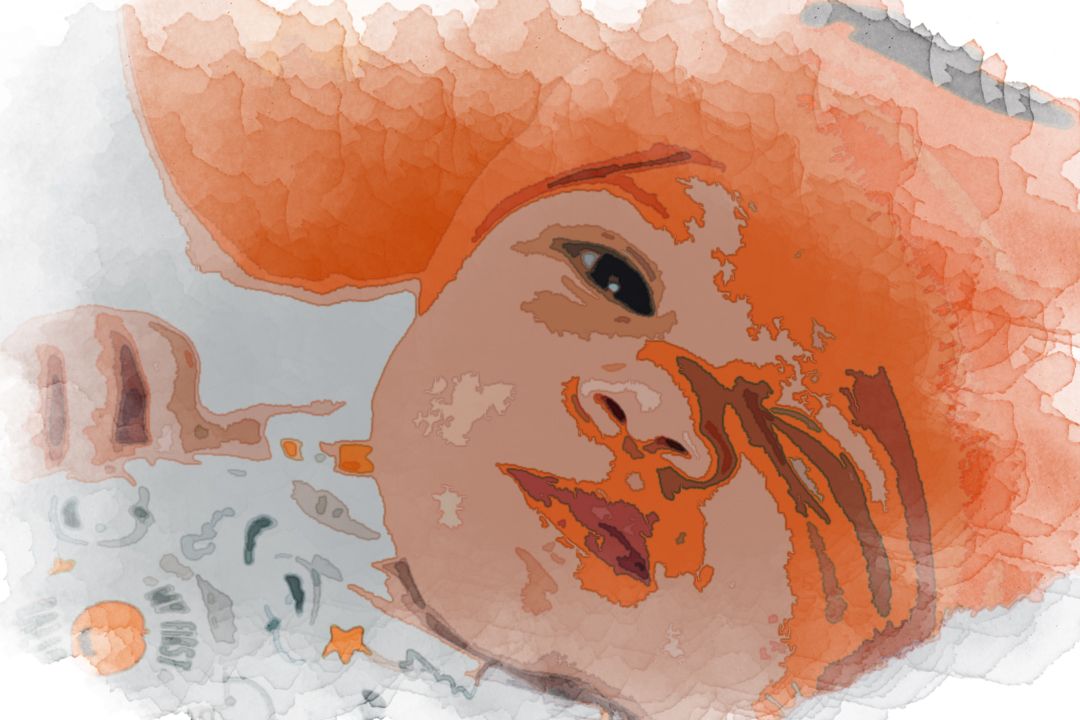
We are all going to dress up like monsters and eat candy
Setting: A quiet, timeless library. The air smells of old paper and leather. Sophia, her eyes holding the calm depth of an ancient sea, sits by a low fire. Across from her, in comfortable armchairs, are Philip, Mary, and Scott.
Sophia: (Gazing into the flames) It is a curious season for humanity. Everyone seems so eager to put on a mask, to become a ghoul or a goblin for a night. They delight in the pretense, in the sweet rewards offered for their performance. What do you make of it?
Philip: (A thoughtful smile playing on his lips) It is only natural, is it not? We are creatures built for narrative. A compelling story can stop anyone in their tracks, pulling a child from their games or a weary man from the simple comfort of his hearth. These costumes are merely stories we wear on our skin. They are tales that offer a thrilling escape from the mundane prose of our own lives. For a moment, we become the protagonist of a grander, darker, more exciting fiction. Who wouldn't be captivated by such a powerful spell?
With a tale, for sooth, he comet unto you; with a tale which holdeth children from play, and old men from the chimney-corner.
— Philip Sidney (1554-1586)
Mary: (She shudders, pulling her shawl tighter, her eyes dark with memory) A spell, yes. But you speak only of the enchantment, Philip, not the consequence. It is one thing to tell a story, and another entirely to give it flesh and breath. I once fashioned a new life from ambition and scraps of pride. I laboured until my creation stood before me, and when I looked upon its face, I saw not a hero, but an abomination. I saw the horrifying reflection of my own hubris. You call it a costume, but what happens when the mask fuses to the skin? What happens when you look in the mirror and can only see the wretched thing you have made of yourself?
Scott: (He swirls the amber liquid in his glass, his voice laced with a weary cynicism) The mask doesn't fuse, Mary. It simply becomes your face. And once the audience has seen it, that is the only one they will ever recognize. Philip’s grand narrative is written in indelible ink. Once your character is established in the first chapter, the book is closed to revision. People think they can reinvent themselves, start anew, but it’s a fantasy. The curtain falls on the first act, and there is no second. You are the monster you chose to be, or the one you accidentally became. The applause fades, the lights go down, and you are left alone in the costume forever.
I beheld the wretch—the miserable monster whom I had created.
— Mary Shelley (1797-1851)
Sophia: (Her voice is gentle, yet it cuts through the melancholy) So, we have a captivating story, a monstrous creation, and an inescapable end. It sounds like a tragedy of our own making. But you are all forgetting one crucial element of this little festival.
She gestures towards the fire, its light dancing on their faces.
Sophia: The candy. The fleeting, sugary morsels they collect in their bags. Why do they crave it so? It is a distraction. A simple, potent pleasure to make them forget the weight of the mask, the chill of the night, and the reality of the face beneath. You see the story, Philip, and you are right to see its power. You see the monster, Mary, and you are right to feel the weight of its creation. And you, Scott, see the finality of the performance, and your despair is understandable.
There are no second acts in American lives.
— F. Scott Fitzgerald (1896-1940)
She leans forward, her gaze meeting each of theirs in turn.
Sophia: But you all mistake the costume for the person. You mistake the first act for the entire play. The most courageous act is not in donning the mask, but in having the strength to remove it. To look upon the wretch we’ve created within ourselves and not turn away. To accept that the first chapter may have been tragic, but the ink is not yet dry on the next. The second act exists. It is simply harder to write. It begins in the quiet moment after the party is over, when you’ve eaten the last piece of candy, and you are left alone with the choice: to sleep in the monster’s skin, or to find the courage, however painful, to peel it off and face the dawn as yourself.

The planksip Writers' Cooperative is proud to sponsor an exciting article rewriting competition where you can win part of over $750,000 in available prize money.
Figures of Speech Collection Personified
Our editorial instructions for your contest submission are simple: incorporate the quotes and imagery from the above article into your submission.
What emerges is entirely up to you!
Winners receive $500 per winning entry multiplied by the article's featured quotes. Our largest prize is $8,000 for rewriting the following article;
 Heraclitus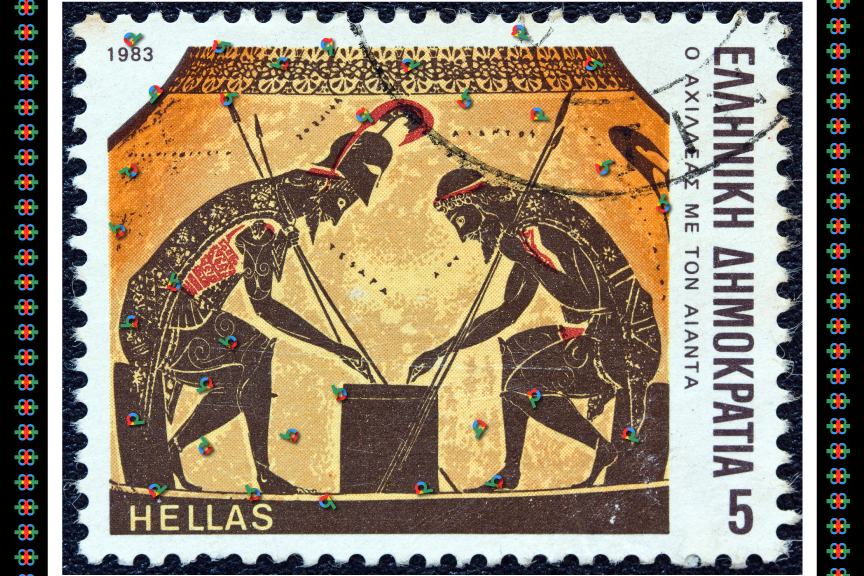
At planksip, we believe in changing the way people engage—at least, that's the Idea (ἰδέα). By becoming a member of our thought-provoking community, you'll have the chance to win incredible prizes and access our extensive network of media outlets, which will amplify your voice as a thought leader. Your membership truly matters!