

We Are Our Own Personal Polis
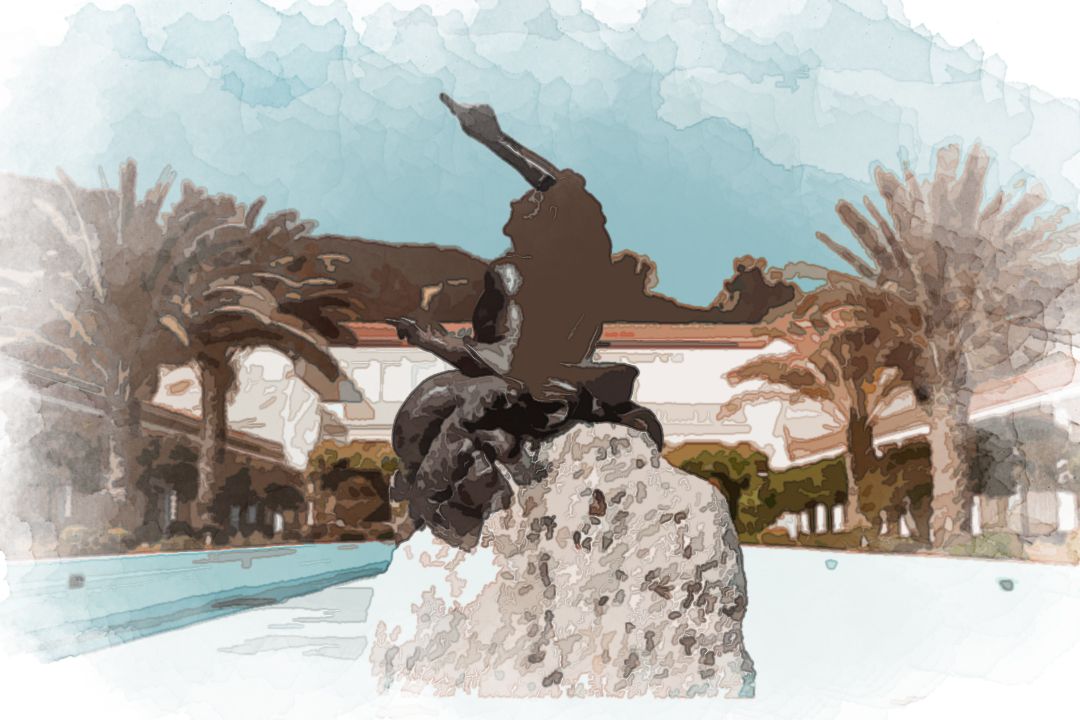
The Identity Polis
Sophia: Gentlemen, I’ve been contemplating the idea of community and selfhood—a sort of identity polis. Kant, you assert that morality is not about pursuing happiness, but about making oneself worthy of it. How does this shape our life among others?
Kant: Sophia, the polis is only as virtuous as the individuals who inhabit it. Happiness is a consequence, not a goal. One must cultivate duty, integrity, and respect for universal law; in doing so, the community flourishes and one becomes worthy of true contentment.
Steinbeck: And yet, Sophia, even the best-laid moral intentions cannot guarantee smooth passage. A journey—whether through life or society—is like marriage. Thinking we control it is the surest way to error. There is uncertainty in every human interaction, no matter how virtuous.
Morality is not properly the doctrine of how we may make ourselves happy, but how we may make ourselves worthy of happiness.
— Immanuel Kant (1724-1804)
Sophia: So morality sets the compass, but the voyage itself resists our full command?
Kant: Precisely. We act according to principle, yet the external world is not obliged to align with our designs. Worthiness of happiness is cultivated internally, not imposed externally.
Steinbeck: And that is the beauty and the peril of the polis. We navigate others’ wills, chance events, and unforeseen hardships. The journey tests character, reveals resilience, and humbles even the most righteous.
Sophia: Then identity within a community is a balance between inner discipline and the acceptance of life’s unpredictability. We strive to be worthy, yet must let the world unfold as it will.
Kant: Exactly. Duty and virtue provide the framework, but they do not guarantee results—only moral integrity.
Steinbeck: And if one embraces the journey with humility, the polis becomes a living, breathing organism, shaped by countless hands, yet never fully mastered by any.
A journey is like marriage. The certain way to be wrong is to think you control it.
— John Steinbeck (1902-1968)
Sophia: So the identity polis is both our creation and our teacher: a place where morality, patience, and acceptance converge, and where our worthiness is constantly tested against the currents of life.
Kant: Well said. It is the highest exercise of reason and virtue in concert with human experience.
Steinbeck: And the journey continues, unpredictable, sometimes harsh, but always instructive.
The planksip Writers' Cooperative is proud to sponsor an exciting article rewriting competition where you can win part of over $750,000 in available prize money.
Figures of Speech Collection Personified
Our editorial instructions for your contest submission are simple: incorporate the quotes and imagery from the above article into your submission.
What emerges is entirely up to you!
Winners receive $500 per winning entry multiplied by the article's featured quotes. Our largest prize is $8,000 for rewriting the following article;
 Heraclitus
At planksip, we believe in changing the way people engage—at least, that's the Idea (ἰδέα). By becoming a member of our thought-provoking community, you'll have the chance to win incredible prizes and access our extensive network of media outlets, which will amplify your voice as a thought leader. Your membership truly matters!