

Tyranny and the Concentration of Power: A Philosophical Disquisition
The history of political thought, as chronicled within the Great Books of the Western World, consistently warns against the insidious nature of tyranny and the perilous path paved by the unchecked concentration of power. From the ancient Greek city-states to modern republics, philosophers have grappled with how a Government designed for the common good can devolve into oppressive rule when authority becomes absolute, often leading to an Oligarchy or, worse, a singular despot. This article explores the philosophical underpinnings of tyranny, examining how power, when consolidated within the State without proper restraints, invariably threatens liberty and justice.
The Anatomy of Tyranny: From Plato to the Modern State
At its core, tyranny represents a perversion of legitimate rule. Plato, in his Republic, vividly portrays the tyrant as a soul consumed by insatiable desires, mirroring a State where one individual’s will supplants the rule of law and the common good. Aristotle, in his Politics, further distinguishes tyranny as a form of monarchy exercised despotically over unwilling subjects, aimed at the tyrant's own advantage rather than that of the governed. This classical understanding forms the bedrock of our analysis: tyranny is not merely harsh rule, but rule fundamentally disconnected from justice and the welfare of the citizenry.
The concentration of power is the fertile ground upon which tyranny thrives. Whether it's the absolute monarch, the military junta, or the totalitarian party, the principle remains: when the mechanisms of power—legislative, executive, and judicial—are fused or dominated by a single entity, the avenues for dissent close, and accountability vanishes.
Mechanisms of Power Concentration and the Rise of Oligarchy
The path to tyranny often begins with a gradual, sometimes imperceptible, accumulation of authority. This can manifest through various means:
- Centralization of Authority: Shifting power from local or representative bodies to a central Government apparatus.
- Erosion of Checks and Balances: Weakening or eliminating independent institutions that scrutinize and limit executive power.
- Control of Information: Monopolizing media, education, and public discourse to shape narratives and suppress opposition.
- Militarization of the State: Relying on force rather than consent to maintain order and enforce policies.
When power becomes concentrated in the hands of a few, an Oligarchy often emerges. This form of Government, as described by Aristotle, is rule by the wealthy or a privileged few, primarily for their own benefit. While not always as overtly brutal as a pure tyranny, oligarchical rule systematically disadvantages the majority, leading to social and economic injustice, and paving the way for more explicit forms of oppression should dissent arise. The State, under such conditions, transforms from a protector of rights into an instrument of control for the powerful elite.
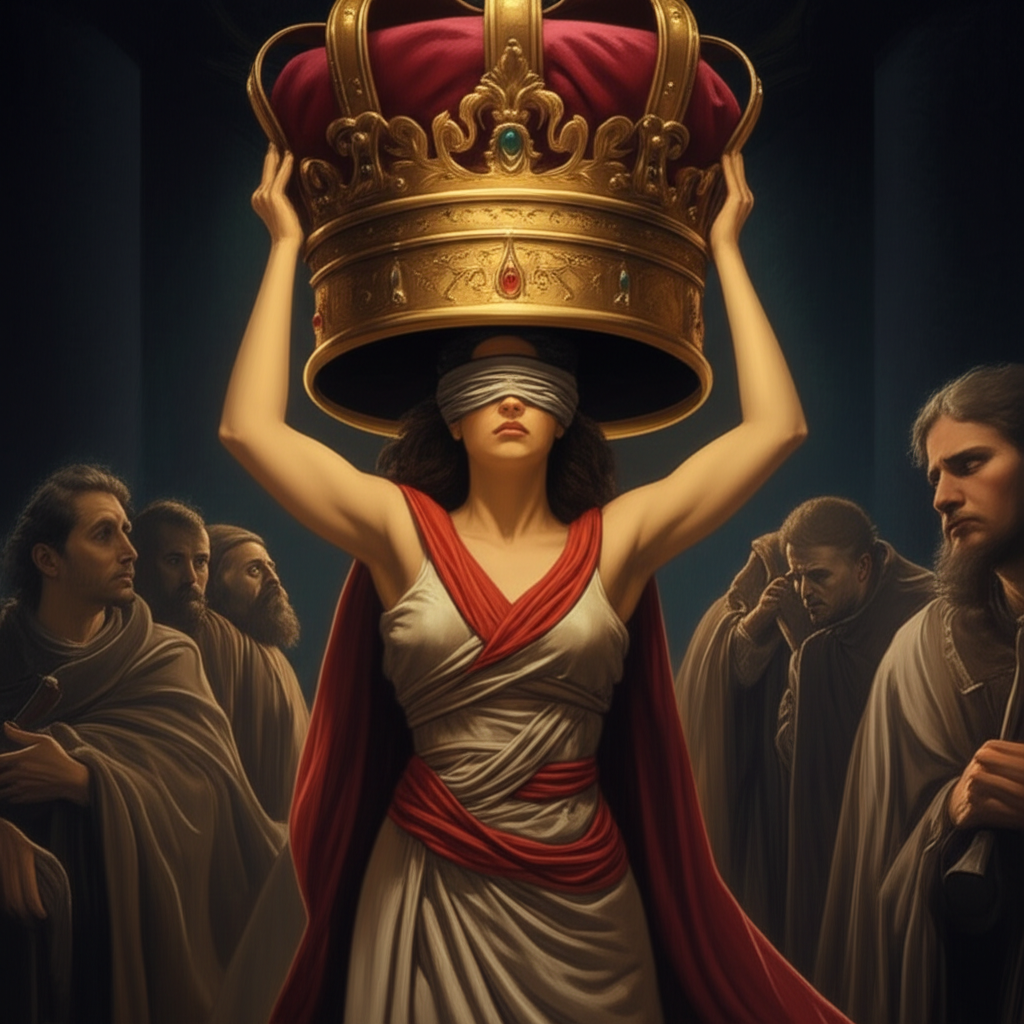
Philosophical Safeguards Against Tyranny
The philosophers of the Great Books did not merely diagnose the problem of tyranny; they also proposed solutions. Their insights remain crucial for designing a resilient Government capable of resisting the concentration of power:
- Rule of Law: Emphasized by thinkers from Aristotle to Locke, this principle asserts that all, including rulers, are subject to established laws, not arbitrary whims.
- Separation of Powers: Montesquieu, drawing on earlier ideas, articulated the necessity of dividing governmental authority into distinct branches (legislative, executive, judicial) to create mutual checks and prevent any single branch from becoming too powerful.
- Citizen Participation: From ancient Athenian democracy to modern republicanism, the active involvement of citizens in their Government is seen as a vital bulwark against despotic rule.
- Constitutionalism: The establishment of a fundamental law that limits the power of the State and protects individual liberties.
These ideas, refined over centuries, underscore the delicate balance required to maintain a just society. The vigilance against the concentration of power is an eternal struggle, demanding constant attention to the structures and principles that uphold freedom and prevent the return of tyranny.
YouTube: "Plato's Republic on Tyranny Explained"
YouTube: "Montesquieu and the Separation of Powers"
📹 Related Video: What is Philosophy?
Video by: The School of Life
💡 Want different videos? Search YouTube for: "Tyranny and the Concentration of Power philosophy"