

The Shadow of Power: Unpacking Tyranny and Its Concentration
Summary: Tyranny, in its essence, represents the absolute and often oppressive rule by a single individual or a small, unchecked group. This article delves into the historical and philosophical understanding of tyranny, exploring how the concentration of power within a Government or State inevitably leads to the erosion of liberty and justice. Drawing from the insights of the Great Books of the Western World, we examine the mechanisms by which power centralizes, the dangers of Oligarchy, and the enduring philosophical quest for safeguards against such abuses.
The Nature of Tyranny: When Power Corrupts Absolutely
The concept of tyranny has haunted political thought since antiquity. Far more than mere harsh rule, it signifies a fundamental perversion of governance, where the interests of the ruler supersede the common good, and power is exercised without accountability or legitimate constraint. It is a state where the law becomes an instrument of the ruler's will, rather than a framework for justice.
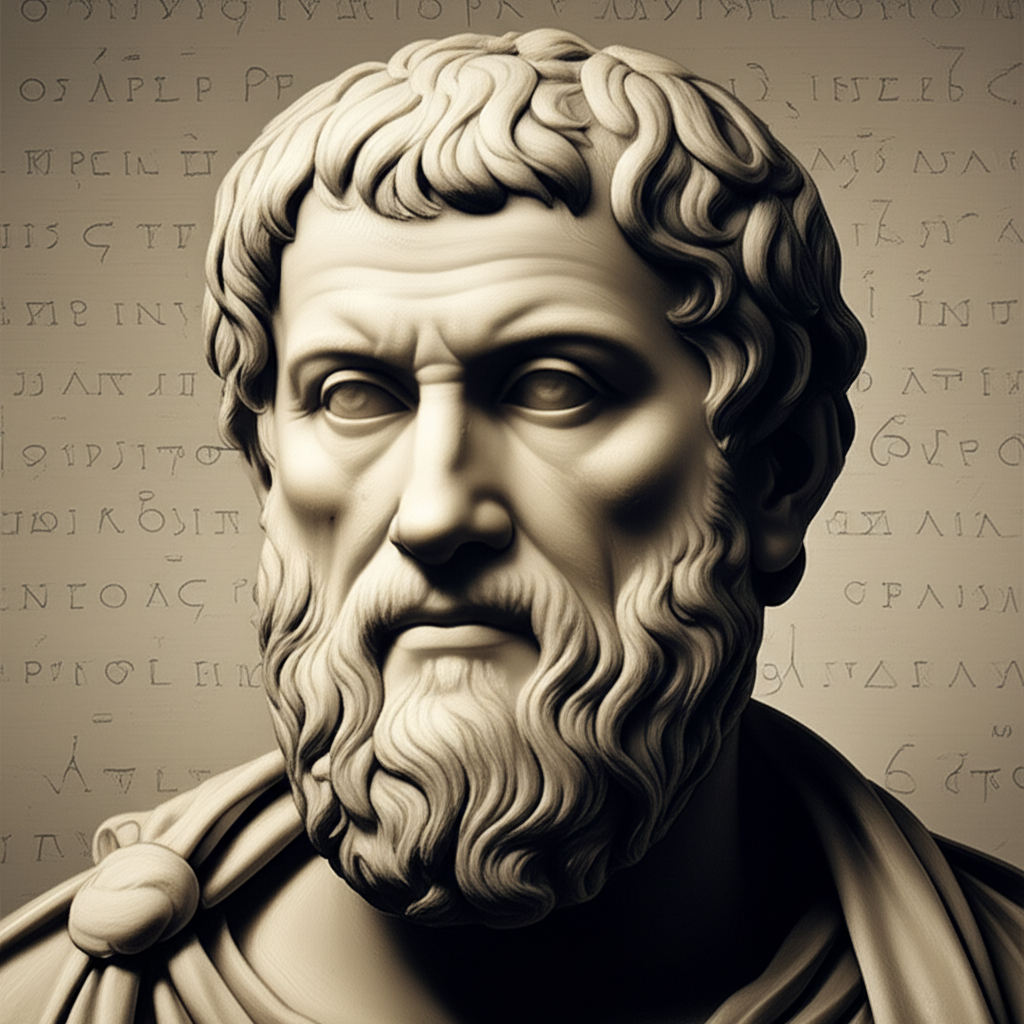
Ancient Greek philosophers, particularly Plato and Aristotle, meticulously dissected the forms of Government and their potential for degeneration. For them, tyranny was often the final, most debased stage in the corruption of a monarchy or even a democracy, arising when a leader seizes absolute control, often through popular appeal, only to later suppress the very people who elevated them.
Key Characteristics of Tyrannical Rule:
- Unchecked Authority: No constitutional or legal limits on the ruler's power.
- Suppression of Dissent: Opposition is met with force, censorship, or intimidation.
- Erosion of Individual Rights: Liberties are curtailed, and citizens live in fear.
- Self-Serving Governance: Policies benefit the ruler or their inner circle, not the populace.
- Reliance on Force and Fear: Maintenance of power through military or police control.
- Absence of Rule of Law: Laws are arbitrary and subject to the ruler's whims.
The Path to Concentration: From State to Oligarchy
The genesis of tyranny lies in the concentration of power. Whether it begins with a charismatic leader, a military coup, or the gradual subversion of democratic institutions, the end result is a system where decision-making authority is not distributed, but hoarded.
Historically, various factors contribute to this dangerous centralization:
- Economic Disparity: Extreme wealth gaps can lead to a small elite gaining disproportionate influence, eventually morphing into an Oligarchy. This ruling class, often driven by self-interest, can manipulate the State apparatus to protect its privileges, paving the way for more overt tyrannical control.
- Crisis and Instability: Times of war, economic depression, or social unrest often create a vacuum that a strongman promises to fill, offering order at the expense of liberty.
- Weak Institutions: A fragile judiciary, a rubber-stamp legislature, or a controlled press provide no effective check on executive power.
- Charismatic Leadership: Leaders who command intense personal loyalty can bypass traditional political structures, appealing directly to the populace and undermining established norms.
Philosophical Antidotes: Safeguarding Against Absolute Power
The thinkers represented in the Great Books have consistently sought to understand and counter the threat of concentrated power.
- Aristotle, in his Politics, categorized Government forms and their corresponding degenerations, warning how monarchy could devolve into tyranny, and aristocracy into oligarchy. He emphasized the importance of a mixed constitution, balancing elements of different forms to prevent any one from becoming absolute.
- Machiavelli, while often misunderstood, provided a starkly realistic analysis in The Prince of how power is acquired and maintained, offering insights into the tactics that tyrants might employ, thereby implicitly arming citizens with knowledge to recognize such machinations.
- The Enlightenment philosophers, deeply influenced by these ancient texts, developed robust theories of constitutionalism and the separation of powers. John Locke articulated the concept of natural rights and the right of revolution against a tyrannical Government. Montesquieu, in The Spirit of the Laws, famously advocated for the division of governmental authority into legislative, executive, and judicial branches, arguing that "power should be a check to power" to prevent its concentration.
| Philosophical Principle | Description | Key Thinkers (Great Books) |
|---|---|---|
| Mixed Constitution | Combining elements of monarchy, aristocracy, and democracy to balance power. | Plato, Aristotle |
| Separation of Powers | Dividing governmental authority among distinct branches to prevent overreach. | Montesquieu, (prefigured by Locke's discussion of legislative and executive) |
| Rule of Law | Governance by established laws, not by arbitrary decrees of rulers. | Aristotle, Cicero, Locke |
| Natural Rights | Inherent rights possessed by all individuals, which Government cannot infringe. | Locke |
| Active Citizenship | Engaged and vigilant populace holding leaders accountable. | Aristotle (on civic virtue), Rousseau |
The Enduring Vigilance
The struggle against tyranny and the concentration of power is not a historical relic but a perpetual challenge. Whether manifested as an overt dictatorship or a more subtle oligarchy manipulating the levers of the State from behind the scenes, the threat remains. The lessons from the Great Books of the Western World underscore that the health of any Government hinges on the distribution of power, the strength of its institutions, and the unwavering commitment of its citizens to liberty and justice. Eternal vigilance, as the saying goes, is indeed the price of freedom.
YouTube Suggestions:
- YouTube: "Plato's Republic Forms of Government Tyranny"
- YouTube: "Montesquieu Separation of Powers Explained"
📹 Related Video: What is Philosophy?
Video by: The School of Life
💡 Want different videos? Search YouTube for: "Tyranny and the Concentration of Power philosophy"