

Tyranny and the Abuse of Government: A Philosophical Examination
Summary: The specter of tyranny and the abuse of government power has haunted human societies since their inception. This article delves into the philosophical underpinnings of these pervasive dangers, drawing extensively from the Great Books of the Western World. We explore how even well-intentioned government structures can degenerate, examining the critical role of virtue and vice in both rulers and citizens, and the indispensable function of law as either a bulwark against oppression or a tool for its enforcement. Understanding these dynamics is crucial for fostering societies that protect liberty and human flourishing.
Introduction: The Shadow of Unchecked Power
The concept of tyranny is not merely a historical footnote but a persistent threat to freedom and justice. At its core, it represents the arbitrary and often cruel exercise of power by a ruler or government, unchecked by law or the will of the governed. The abuse of government is a perversion of its fundamental purpose: to establish order, protect rights, and promote the common good. Philosophers across millennia have grappled with the mechanisms by which power corrupts and how societies might safeguard themselves from this insidious decay.
The Anatomy of Government: From Order to Oppression
Government is an essential construct for human society, providing the framework for cooperation, security, and the administration of justice. However, the very power vested in government to maintain order carries with it the inherent potential for abuse. The line between legitimate authority and tyranny can be perilously thin, often crossed when self-interest supersedes public service.
The Dual Nature of Authority:
- Legitimate Authority: Rooted in consent, law, and the pursuit of collective well-being.
- Abusive Authority: Characterized by arbitrary rule, suppression of dissent, and the exploitation of subjects for the ruler's benefit.
Ancient Greek thinkers, particularly Aristotle, meticulously categorized forms of government and observed their natural tendencies to degenerate.
| Form of Government (Good) | Degeneration (Bad) | Characteristics of Degeneration |
|---|---|---|
| Monarchy (Rule by One) | Tyranny | Ruler governs for personal gain, not the common good. |
| Aristocracy (Rule by Few) | Oligarchy | Wealthy elite rule in their own interest, neglecting the poor. |
| Polity (Rule by Many) | Democracy (Mob Rule) | Masses rule in their own interest, suppressing minorities. |
- Aristotle, Politics provides detailed analyses of these transitions, emphasizing how a lack of virtue in rulers can swiftly lead to the perversion of even the best systems.
Virtue and Vice: The Moral Compass of Governance
The character of those who govern, and indeed the governed, plays a pivotal role in determining whether a government descends into tyranny. Philosophers like Plato placed immense emphasis on virtue as the essential bulwark against abuse.
The Philosopher-King vs. The Tyrannical Soul (Plato):
In Plato's Republic, the ideal state is governed by philosopher-kings, individuals whose lives are dedicated to wisdom, justice, and the pursuit of the good. Their virtue ensures they rule not for personal gain but for the welfare of the polis. Conversely, Plato vividly describes the tyrannical soul as one consumed by insatiable desires, utterly devoid of self-control and justice. This individual, given power, will inevitably become a tyrant, enslaving others as he is enslaved by his own appetites.
The Corrupting Influence of Power:
Lord Acton's famous dictum, "Power tends to corrupt, and absolute power corrupts absolutely," resonates deeply with philosophical insights from the Great Books. Without ethical grounding and accountability, the immense authority of government can erode personal virtue, fostering vice such as greed, arrogance, and cruelty. This decay in moral character is a direct pipeline to tyranny.
Law: Shield of Liberty or Instrument of Control?
The concept of law is inextricably linked to the discussion of government and tyranny. Ideally, law serves as the impartial arbiter of justice, protecting individual rights and limiting the power of the state. However, history is replete with examples where law has been twisted into a tool of oppression, legitimizing the abuse of power.
The Rule of Law vs. Arbitrary Rule:
- Rule of Law: A system where all individuals, including those in government, are subject to publicly promulgated, equally enforced, and independently adjudicated law. It is a cornerstone against tyranny.
- Arbitrary Rule: Characterized by decisions made at the whim of the ruler, without adherence to established legal principles or due process. This is the hallmark of tyranny.
When laws are crafted not to uphold justice but to consolidate power, suppress dissent, or victimize specific groups, they become instruments of tyranny. The very framework designed to protect freedom is then used to dismantle it.
Voices from the Great Books: A Historical Perspective on Tyranny
The Great Books of the Western World offer profound and enduring insights into the nature of tyranny and the abuse of government.
- Plato's Republic: Traces the decline of ideal states through timocracy, oligarchy, and democracy, ultimately culminating in tyranny. He illustrates how the unchecked freedom of democracy can paradoxically pave the way for a tyrant who promises order.
- Aristotle's Politics: Provides a systematic analysis of constitutional forms, warning how each can degenerate when rulers prioritize self-interest over the common good. His definition of tyranny as the perversion of monarchy remains foundational.
- Machiavelli's The Prince: While often controversial, Machiavelli's treatise offers a stark, pragmatic view of power acquisition and maintenance. It describes methods that, while sometimes necessary for a prince to survive, can easily lead to ruthless tyranny if not tempered by a moral compass or external checks.
- John Locke's Two Treatises of Government: A cornerstone of liberal thought, Locke argues that government derives its legitimacy from the consent of the governed and exists to protect natural rights (life, liberty, property). When a government becomes tyrannical by violating these rights, the people have a right, even a duty, to resist and overthrow it.
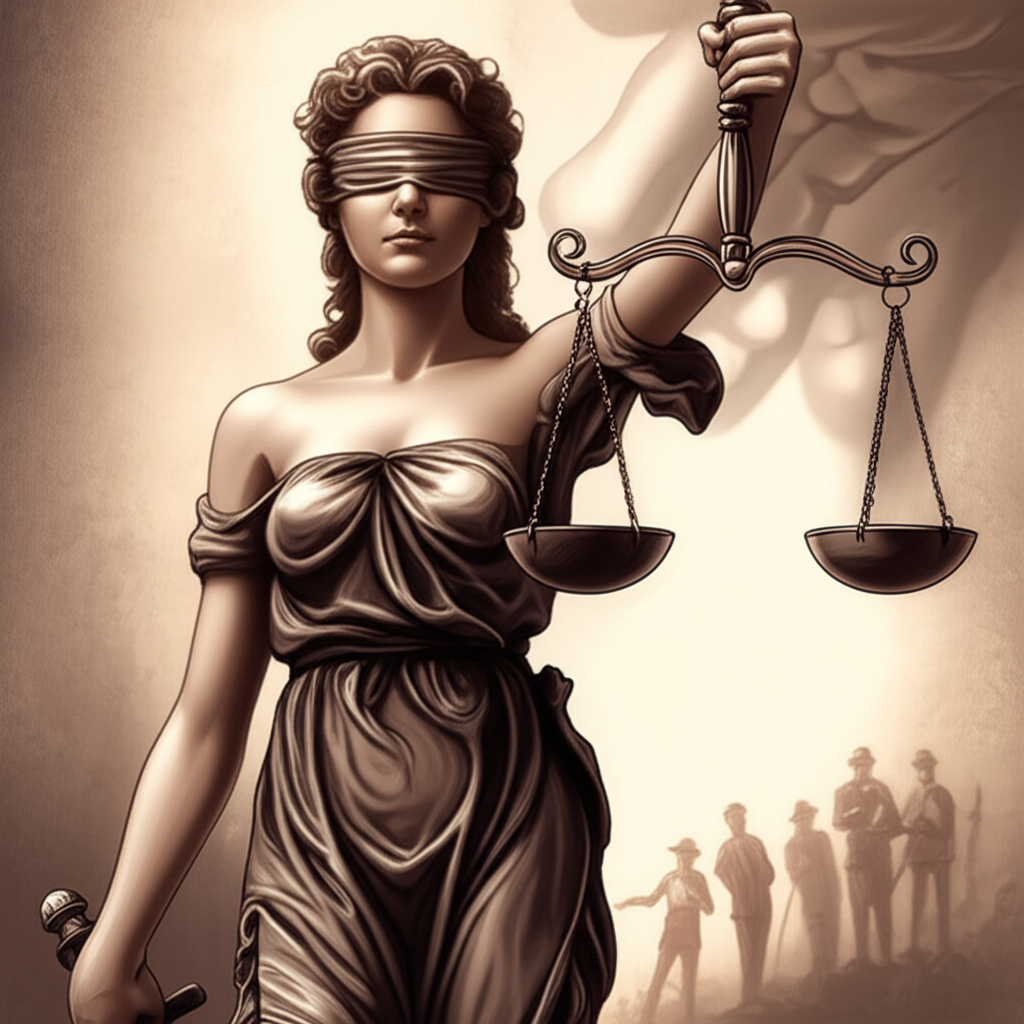
Safeguarding Against the Abuse of Government
Preventing tyranny requires constant vigilance and the cultivation of specific societal and governmental structures.
1. Civic Virtue and Active Citizenship:
- An engaged and virtuous citizenry, committed to the common good and willing to hold its leaders accountable, is the ultimate defense against tyranny. This includes adherence to law, critical thinking, and participation in civic life.
- Vice in the populace—apathy, self-interest, or blind obedience—can create fertile ground for authoritarian rule.
2. Constitutionalism and Checks & Balances:
- A written constitution that clearly defines the powers and limitations of government is crucial.
- The separation of powers into distinct branches (legislative, executive, judicial), each capable of checking the others, provides an institutional safeguard against the concentration and abuse of power.
- Independent judiciaries are vital to ensure the impartial application of law.
Conclusion: The Eternal Vigilance Against Tyranny
The philosophical journey through the Great Books reveals that tyranny and the abuse of government are not mere accidents of history but persistent challenges rooted in the very nature of power and human fallibility. The insights of Plato, Aristotle, Locke, and others underscore the critical importance of virtue and vice in leadership, the sacred role of law, and the necessity of robust governmental structures designed to prevent the concentration of unchecked power. Our ongoing commitment to these principles is the only reliable defense against the ever-present shadow of tyranny.
📹 Related Video: PLATO ON: The Allegory of the Cave
Video by: The School of Life
💡 Want different videos? Search YouTube for: "Plato Republic tyranny analysis"
📹 Related Video: PLATO ON: The Allegory of the Cave
Video by: The School of Life
💡 Want different videos? Search YouTube for: "John Locke natural rights government abuse"