

The Shadow of Power: Unpacking Tyranny and the Abuse of Government
The concept of a just society has captivated thinkers for millennia, yet its antithesis—tyranny and the abuse of government—remains a persistent specter. From ancient city-states to modern nations, the slide from legitimate authority to oppressive rule is a recurring theme in human history and philosophy. This article delves into the nature of tyranny, exploring its philosophical underpinnings, the role of virtue and vice in its rise and fall, and how the manipulation of law transforms governance into domination, drawing insights from the foundational texts of Western thought.
What is Tyranny? A Philosophical Dissection
At its core, tyranny signifies the arbitrary and often cruel exercise of power by a ruler or government. It is not merely strong rule, but rule that disregards justice, the common good, and the established law. Ancient Greek philosophers, particularly Plato and Aristotle, meticulously dissected this political pathology.
Plato, in his Republic, paints a vivid picture of the tyrannical soul and the tyrannical state. He describes tyranny as the furthest degeneration from the ideal state, arising from an excess of freedom that ultimately leads to anarchy, paving the way for a strongman to seize control. This tyrant, driven by insatiable desires and fear, becomes a slave to his own appetites, reducing his citizens to servitude.
Aristotle, in his Politics, offers a more systematic classification. He defines tyranny as a deviation from monarchy, where the ruler governs not for the common good, but solely for his own benefit. The tyrant's rule is characterized by:
- Self-interest: Prioritizing personal gain over public welfare.
- Arbitrary rule: Disregarding established law and custom.
- Use of force: Maintaining power through fear and coercion rather than consent.
Table 1: Forms of Government and Their Degenerations (Aristotle's View)
| Legitimate Form (Rule for Common Good) | Degenerate Form (Rule for Self-Interest) | Key Characteristic of Degeneration |
|---|---|---|
| Monarchy (Rule by One) | Tyranny (Rule by One) | Arbitrary, self-serving power |
| Aristocracy (Rule by Few) | Oligarchy (Rule by Few) | Wealth-based, exploitative |
| Polity (Rule by Many) | Democracy (Rule by Many) | Mob rule, disregard for law |
This table highlights how easily a just government can be corrupted when the ruler's focus shifts from the public good to personal gain.
The Corrosive Influence of Virtue and Vice
The transition from legitimate government to tyranny is often a story of the erosion of virtue and the ascendance of vice, both in rulers and in the citizenry.
- The Tyrant's Vices: The tyrant embodies a litany of vices. Pride, greed, fear, cruelty, and a relentless pursuit of power are central. As Plato suggested, the tyrannical soul is consumed by unbridled desires, leading to paranoia and a need to suppress any perceived threat. He becomes isolated, unable to trust, and ultimately unhappy, despite his absolute power. This echoes the tragic figure of Creon in Sophocles' Antigone, whose stubborn pride and unyielding decree lead to his own downfall and the suffering of his state.
- The Citizenry's Role: While the tyrant is the active agent, the conditions for tyranny can be fostered by the vices of the people. A citizenry that is apathetic, overly focused on individual pleasure, or unwilling to defend its liberties can inadvertently create a vacuum that a tyrant is eager to fill. Conversely, a society imbued with civic virtue—courage, justice, wisdom, and a commitment to the common good—is a powerful bulwark against oppression. When citizens value freedom, actively participate in government, and hold their leaders accountable, the path to tyranny becomes far more arduous.
Law: Shield of Justice or Tool of Oppression?
Law is fundamental to any well-ordered society, designed to ensure justice, protect rights, and regulate public life. However, under tyranny, law is perverted, transformed from a safeguard into an instrument of control and repression.
In a just government, law is:
- Known and predictable: Everyone understands their rights and obligations.
- Applied equally: No one is above the law.
- Aimed at the common good: Serving the welfare of all citizens.
Under tyrannical rule, law becomes:
- Arbitrary and unpredictable: Laws are changed at the whim of the ruler, often retroactively.
- Unequally applied: Favors the ruler and his allies, punishes opponents.
- A tool of oppression: Used to justify repression, suppress dissent, and consolidate power.
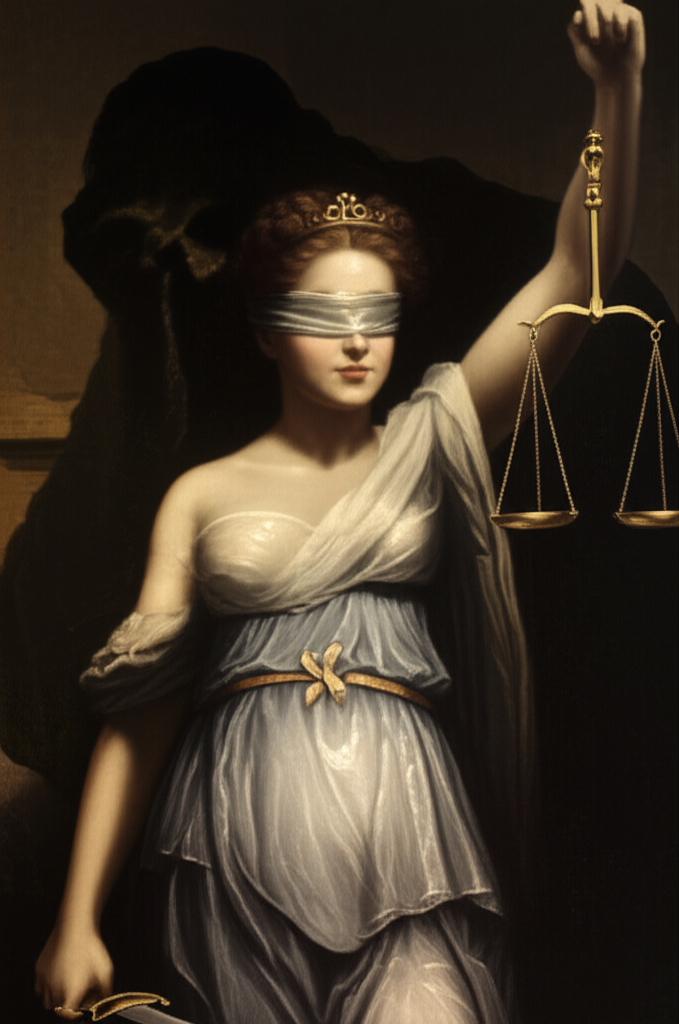
Montesquieu, in The Spirit of the Laws, emphasized the crucial importance of the separation of powers to prevent the abuse of law. When the legislative, executive, and judicial powers are concentrated in one entity, the potential for tyranny becomes immense, as the ruler can make, enforce, and interpret laws to suit his own agenda without checks or balances. The rule of law gives way to the rule of man, and that man is almost always a tyrant.
Vigilance and the Enduring Struggle
The philosophical lessons from the Great Books are clear: tyranny is a constant threat, lurking whenever power is unchecked and virtue wanes. The abuse of government isn't an accidental occurrence but a predictable outcome when the principles of justice and the common good are abandoned.
The antidote lies in eternal vigilance, an unwavering commitment to the rule of law, and the cultivation of civic virtue. It demands citizens who are educated, engaged, and willing to challenge abuses of power, and leaders who understand their role as servants of the people, not their masters. The struggle against tyranny is, therefore, not just a political battle, but a continuous philosophical and moral endeavor.
YouTube Video Suggestions:
- Plato's Republic: The Decline of the State (Tyranny)
- Aristotle's Politics: Forms of Government and Their Deviations
📹 Related Video: What is Philosophy?
Video by: The School of Life
💡 Want different videos? Search YouTube for: "Tyranny and the Abuse of Government philosophy"