

The Shadow of Despotism: Examining Tyranny and the Abuse of Government
Summary: The Perversion of Power
The concept of tyranny stands as a perpetual warning in the annals of political philosophy. Far from mere authoritarianism, tyranny represents the ultimate abuse of government power, where the will of the ruler supplants the rule of law, and the common good is sacrificed for private interest. This article delves into the philosophical understanding of tyranny, tracing its classical definitions, exploring the crucial role of virtue and vice in leadership, and examining how the very instruments designed to ensure justice—like law—can be twisted into tools of oppression. Drawing from the "Great Books of the Western World," we will uncover the enduring insights into how societies fall prey to despotic rule and what safeguards can be erected against it.
Introduction: When Government Becomes the Predator
From the earliest city-states to modern nations, humanity has grappled with the fundamental question of governance: how to establish order and secure liberty without succumbing to the very power intended to protect it. The abuse of government, culminating in tyranny, is a recurring nightmare that philosophers have meticulously dissected. It is a state where the governing body, instead of serving the people, preys upon them, transforming a necessary institution into an instrument of fear and oppression. Understanding this insidious transformation is not merely an academic exercise; it is vital for the preservation of free societies.
Defining Tyranny: A Philosophical Dissection
The term "tyranny" carries a heavy historical and philosophical weight, distinguishing itself sharply from legitimate forms of government. Classical thinkers provided some of the most profound insights into its nature:
- Plato's Perspective: In The Republic, Plato vividly describes the tyrannical soul as one consumed by insatiable desires, driven by an inherent lack of self-control. He portrays the tyrannical state as the final stage of political decay, emerging from democracy when excessive freedom leads to anarchy, which then demands a strongman. This ruler, initially a "protector," gradually enslaves the very people he promised to save, becoming a master of deception and violence. His rule is characterized by fear, surveillance, and the suppression of intellectual and artistic life.
- Aristotle's Classification: Aristotle, in his Politics, categorizes tyranny as a perversion of monarchy. While a king rules for the common good according to law, a tyrant rules for his own benefit, arbitrarily, and against the will of the governed. He identifies key characteristics:
- Self-interest: The tyrant's sole aim is personal gain, pleasure, or power.
- Arbitrary Rule: Disregard for established law and tradition.
- Lack of Accountability: No checks or balances on power.
- Fear as a Tool: Maintaining power through intimidation and division.
The distinction is clear: a legitimate government, even a monarchy, operates under principles of justice and for the welfare of its citizens. A tyrannical government fundamentally perverts this purpose, turning public office into private dominion.
The Roots of Abuse: Virtue and Vice in Leadership
The moral character of those who wield power is perhaps the most critical determinant of whether a government remains just or descends into tyranny. This is where the concepts of virtue and vice become paramount.
-
The Seduction of Vice: Philosophers universally agree that the absence of virtue in a ruler is a direct pathway to abuse. Vices such as:
- Hubris: Excessive pride and arrogance, leading to a belief in one's own infallibility and a disregard for counsel.
- Greed: An insatiable desire for wealth or power, leading to exploitation of the populace.
- Cruelty: The enjoyment of inflicting suffering or the casual disregard for human life.
- Fear: A tyrant's own insecurity often manifests as paranoia, leading to ruthless suppression of perceived threats.
These vices corrupt judgment, erode empathy, and ultimately transform a leader into a despot.
-
The Necessity of Virtue: Conversely, the presence of virtue is seen as the primary safeguard against tyranny. Essential virtues for good governance include:
- Prudence: The ability to make wise decisions, considering long-term consequences and the common good.
- Justice: Fairness in application of law and distribution of resources, upholding rights.
- Temperance: Self-control and moderation, resisting the temptations of absolute power.
- Courage: The fortitude to act rightly, even in the face of opposition, and to defend the vulnerable.
Without these virtues, even the most well-designed constitutional framework can be undermined by a leader intent on self-aggrandizement.
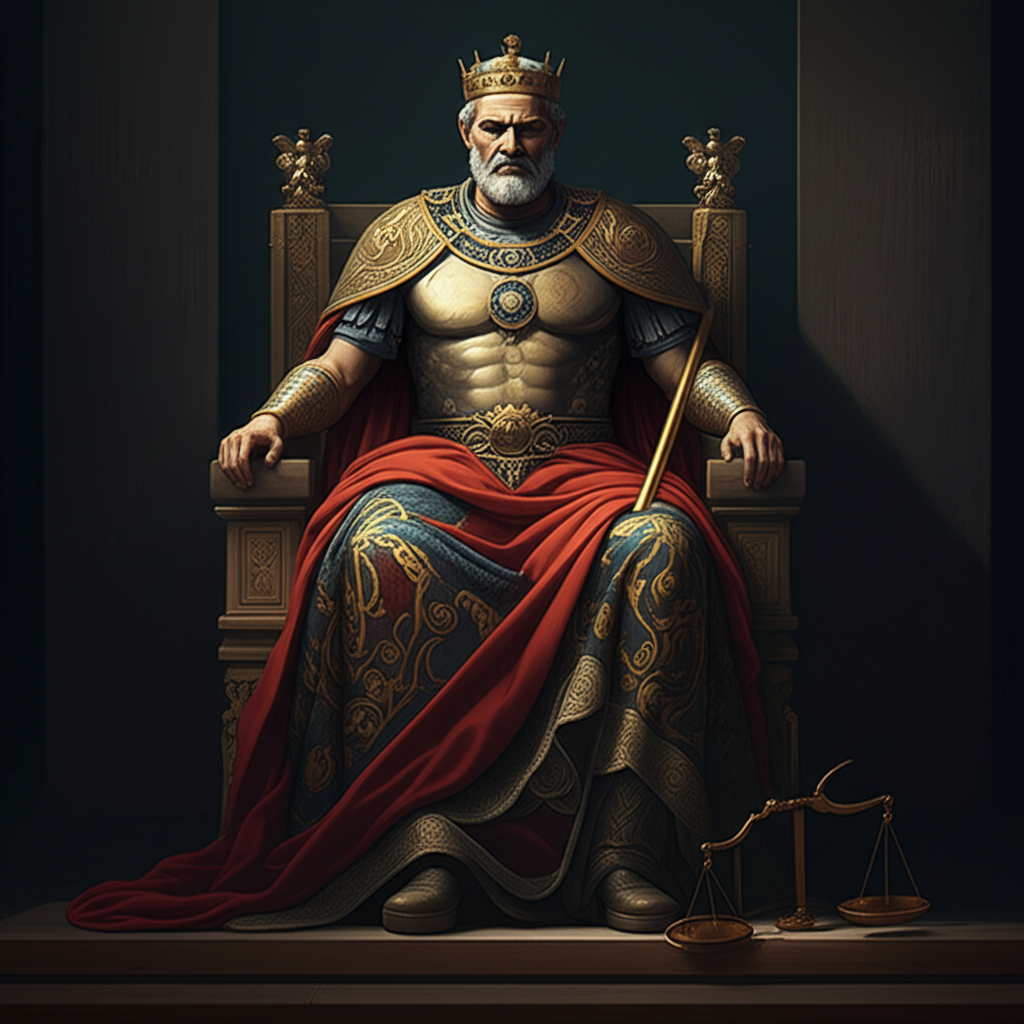
Law: Bulwark Against or Tool of Tyranny?
The role of law is Janus-faced when it comes to tyranny. Ideally, law serves as the ultimate check on arbitrary power, ensuring predictability, fairness, and the protection of rights.
-
The Rule of Law: In a just government, the law is supreme. As John Locke articulated in his Two Treatises of Government, individuals enter into a social contract to establish a government that will protect their natural rights, and this protection is primarily achieved through a system of established laws, impartially applied. Montesquieu, in The Spirit of the Laws, further emphasized the importance of the separation of powers (legislative, executive, judicial) as a structural safeguard to prevent any single branch from accumulating enough power to become tyrannical. Where the law reigns, even the ruler is subject to its dictates, ensuring liberty.
-
The Perversion of Law: However, under tyranny, law itself can become a weapon of oppression.
- Arbitrary Edicts: The tyrant may simply disregard existing laws, ruling by decree.
- Legislation of Injustice: Laws can be passed specifically to consolidate power, suppress dissent, or exploit certain groups, cloaking injustice in a veneer of legality.
- Selective Enforcement: Laws are applied unevenly, punishing enemies and protecting allies, regardless of actual guilt or innocence.
This perversion underscores a critical truth: it is not merely the existence of law but its nature, its purpose, and its application that determines whether it serves justice or facilitates tyranny.
Manifestations of Abusive Government
The abuse of government power can take many forms, but common patterns emerge throughout history:
- Suppression of Dissent: Free speech, assembly, and opposition are stifled through censorship, surveillance, and often, brutal force.
- Arbitrary Arrest and Detention: Citizens can be imprisoned without due process, often for political reasons.
- Economic Exploitation: The government seizes private property, levies exorbitant taxes, or manipulates the economy for the benefit of the ruling elite.
- Erosion of Rights: Fundamental human rights (e.g., property, life, liberty) are systematically undermined or denied.
- Militarization of Society: The state's coercive apparatus (police, military) becomes omnipresent and is used to intimidate and control the population.
These characteristics, described by thinkers like Locke as a breach of the social contract, signal a government that has forfeited its legitimacy and descended into despotism.
Conclusion: The Eternal Vigilance
The study of tyranny and the abuse of government is a timeless endeavor, reminding us that power, unchecked and unvirtuous, inevitably corrupts. From the ancient insights of Plato and Aristotle to the Enlightenment's calls for limited government and the rule of law, the philosophical tradition offers a powerful framework for understanding the nature of despotism. It emphasizes that the struggle against tyranny is not just about resisting an external oppressor, but about cultivating virtue in leadership, upholding the sanctity of law, and maintaining constant vigilance over the institutions of government. Only through such dedication can societies hope to secure liberty and prevent the shadow of despotism from falling upon them.
YouTube Video Suggestions:
-
📹 Related Video: PLATO ON: The Allegory of the Cave
Video by: The School of Life
💡 Want different videos? Search YouTube for: "Plato Republic Tyranny Explained"
-
📹 Related Video: ARISTOTLE ON: The Nicomachean Ethics
Video by: The School of Life
💡 Want different videos? Search YouTube for: "Aristotle Politics Forms of Government"