

The Enduring Virtue of Temperance Over Fleeting Pleasure
In an age often defined by instant gratification and the relentless pursuit of sensory experiences, the ancient virtue of temperance offers a profound counter-narrative. This article argues that true human flourishing and a life well-lived are found not in the unbridled indulgence of desire and pleasure, but in the cultivation of moderation, self-mastery, and thoughtful discernment. Drawing from the timeless wisdom preserved in the Great Books of the Western World, we will explore how temperance stands as a bulwark against the excesses that lead to vice and vice, paving the way for a more harmonious and fulfilling existence.
Unpacking Temperance: More Than Just "Self-Control"
Often misunderstood as mere abstinence or joyless self-denial, temperance (Greek: sophrosyne) is, in fact, a vibrant and active virtue. It is the harmonious ordering of our internal life, particularly our appetites and desires, under the guidance of reason. It's about knowing the right measure, finding the appropriate balance, and enjoying life's good things without being enslaved by them.
The Philosophical Bedrock: Voices from the Great Books
The concept of temperance has been a cornerstone of ethical thought for millennia, deeply explored by some of history's greatest minds.
-
Plato's Harmony: In his monumental work, The Republic, Plato depicts temperance as a state of internal harmony within the soul. He famously likens the soul to a charioteer (reason) guiding two horses: one noble (spirit) and one unruly (appetite). Temperance is achieved when reason successfully governs the appetites, preventing them from running wild and disrupting the soul's overall balance. Without this inner order, the individual is perpetually tossed about by their strongest desires, unable to achieve true happiness or justice.
-
Aristotle's Golden Mean: For Aristotle, as outlined in Nicomachean Ethics, virtue lies in the "golden mean" between two extremes of vice. Temperance, or moderation, is the mean concerning pleasure and pain. It is the virtue of experiencing and enjoying pleasures in the right way, at the right time, and in the right amount. The vice of deficiency would be insensibility (a lack of appreciation for natural pleasures), while the vice of excess is intemperance, where one is overwhelmed by desire and pursues pleasure indiscriminately, often leading to harm to oneself or others. Aristotle emphasizes that temperance is not about eliminating desire, but about ordering it rationally.
-
Stoic Tranquility: Later, Stoic philosophers like Epictetus and Marcus Aurelius, while perhaps more austere, also championed a form of temperance. They focused on gaining control over one's internal reactions to external events and desires. For them, true freedom came from being indifferent to things outside one's control, including the allure of excessive pleasure and the sting of pain. Temperance, in this context, is the calm acceptance of what is, and the wise management of one's impulses.
Pleasure and Pain: The Double-Edged Sword
Pleasure is a natural and often beneficial part of human experience. It signals that certain activities are conducive to survival (eating, procreation) or well-being (social connection, intellectual discovery). However, the unchecked pursuit of pleasure inevitably leads to pain and degradation, creating a cycle of addiction, dissatisfaction, and vice.
Consider the difference:
- Temperate Enjoyment: Savoring a delicious meal, appreciating art, engaging in meaningful conversation. These bring genuine satisfaction and contribute to well-being.
- Intemperate Indulgence: Gorging oneself to the point of discomfort, compulsively seeking fleeting thrills, allowing desire for external validation to dictate one's actions. These often lead to regret, ill health, and a pervasive sense of emptiness.
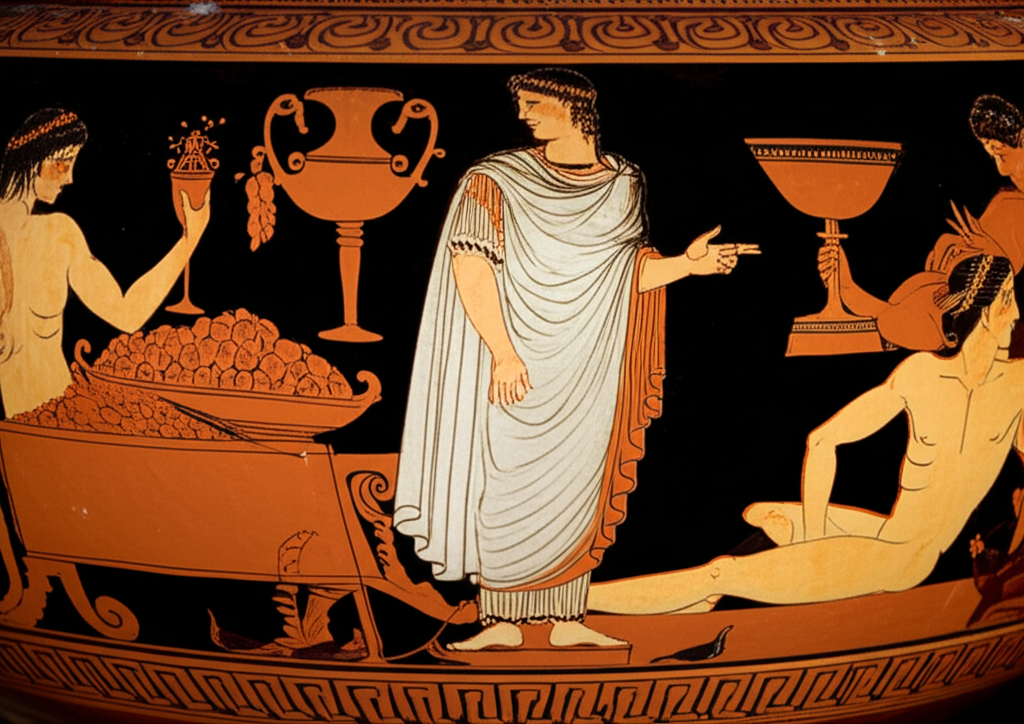
The Role of Desire: Guiding Our Inner Impulses
Our desires are powerful forces. They drive us to seek food, companionship, knowledge, and countless other things. Without desire, life would be inert. However, without the guiding hand of temperance, desire can become tyrannical. It can blind us to long-term consequences, push us towards harmful choices, and prevent us from achieving our higher potential.
Table: Temperance vs. Intemperance in Daily Life
| Aspect of Life | Temperate Approach | Intemperate Approach |
|---|---|---|
| Eating & Drinking | Enjoying food mindfully, stopping when satisfied. | Overeating, excessive drinking, leading to ill health. |
| Spending Money | Saving, investing, thoughtful purchases. | Impulse buying, living beyond one's means, debt. |
| Leisure & Entertainment | Engaging in enriching hobbies, balanced screen time. | Excessive gaming, endless scrolling, neglecting duties. |
| Relationships | Seeking genuine connection, respectful boundaries. | Selfish pursuit of gratification, manipulative behavior. |
| Work & Ambition | Striving for excellence, maintaining work-life balance. | Workaholism, sacrificing well-being for external gain. |
The Enduring Appeal of Temperance
In a world increasingly grappling with issues like consumerism, digital addiction, and mental health crises linked to unfulfilled desires, the virtue of temperance is more relevant than ever. It offers a pathway to:
- Inner Peace: Freedom from the constant agitation of unfulfilled desire.
- Authentic Joy: The ability to truly appreciate life's simple pleasures without needing excess.
- Stronger Relationships: Self-control allows for empathy and consideration for others.
- Meaningful Purpose: When desires are ordered, we can focus on higher goals and contributions.
By consciously choosing temperance over the fleeting allure of unbridled pleasure, we align ourselves with a long tradition of wisdom that promises not deprivation, but a richer, more profound, and genuinely satisfying life. It's about living deliberately, not merely reacting to every impulse.
📹 Related Video: PLATO ON: The Allegory of the Cave
Video by: The School of Life
💡 Want different videos? Search YouTube for: ""Plato's Republic Temperance Explained""
📹 Related Video: ARISTOTLE ON: The Nicomachean Ethics
Video by: The School of Life
💡 Want different videos? Search YouTube for: ""Aristotle Nicomachean Ethics Golden Mean Pleasure""