

The Measured Path: Why Temperance Triumphs Over Unchecked Pleasure
In a world constantly beckoning us towards instant gratification, the ancient virtue of temperance often feels like a forgotten art. Yet, as we delve into the wisdom of the Great Books of the Western World, it becomes clear that temperance isn't about deprivation, but rather about achieving a profound and lasting well-being. This article argues that embracing temperance—the mastery of our desires—is not merely a moral obligation, but a strategic choice that leads to a richer, more fulfilling life, far superior to the fleeting allure of unbridled pleasure and pain. It is through this vital virtue that we navigate the complex landscape of our appetites, transforming potential vice into true freedom.
The Siren Song of Pleasure: A Philosophical Perspective
From the Epicureans who sought a tranquil life free from pain, to the hedonists who championed pleasure as the ultimate good, humanity has long grappled with the intoxicating pull of gratification. Our natural inclination is to seek comfort, joy, and satisfaction. However, a crucial distinction, repeatedly highlighted by thinkers like Plato and Aristotle, lies between healthy, moderate pleasures and unrestrained, potentially destructive ones.
Consider this: The immediate delight of a rich dessert or the fleeting excitement of an impulsive purchase can be deeply satisfying. But what happens when these become the sole drivers of our actions? The initial rush often gives way to a lingering sense of emptiness, regret, or even suffering. This is where the wisdom of temperance truly shines, offering a guiding hand through the labyrinth of our appetites.
Defining Temperance: The Art of Self-Mastery
Temperance (sophrosyne in Greek) is more than just abstinence; it is a profound form of self-knowledge and self-control. It is the virtue that allows reason to govern our appetites and emotions, ensuring they serve our higher good rather than enslaving us. Aristotle, in his Nicomachean Ethics, presents temperance as a "mean" between excess and deficiency:
- Excess (Intemperance): Giving in to every desire without restraint, leading to self-indulgence and often, ultimately, pain.
- Deficiency (Insensibility): An unhealthy lack of desire or enjoyment, which can also be detrimental to a full life.
- Temperance: The harmonious balance, where one enjoys pleasures appropriately, in the right measure, at the right time, and for the right reasons.
It's the ability to say "enough," not out of fear, but out of a deep understanding of what genuinely contributes to our flourishing.
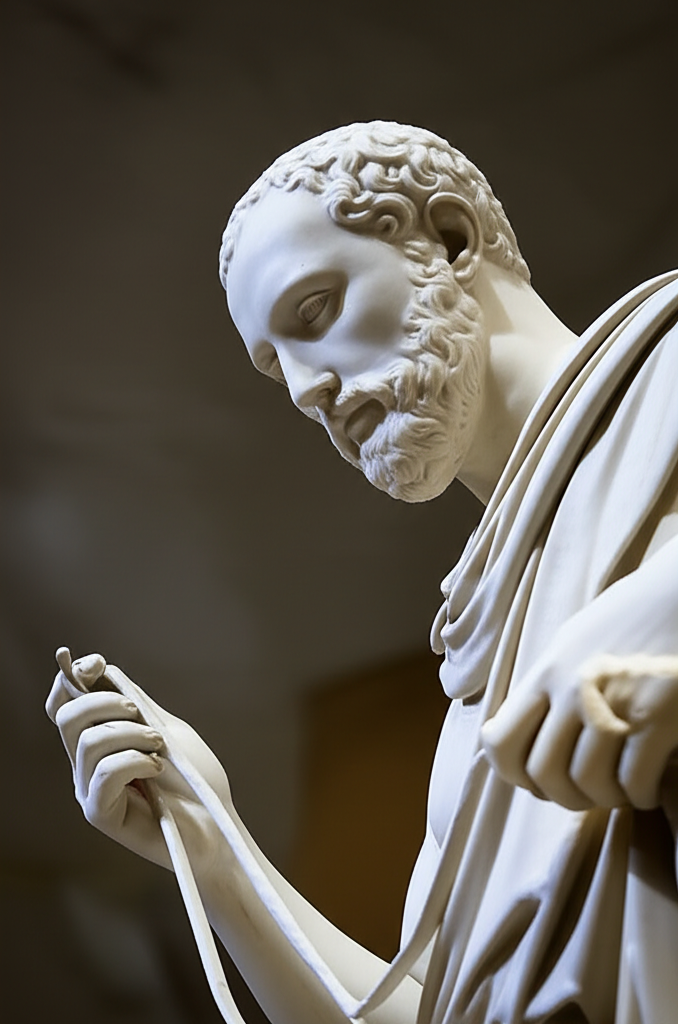
Desire and Its Discontents: Navigating Pleasure and Pain
Our desires are powerful forces. They drive us to seek food, shelter, companionship, and knowledge. Yet, unchecked desire can quickly morph into a vice, leading us down paths of addiction, greed, and superficiality. The pursuit of pleasure without the guidance of temperance often leads to its opposite: pain.
- The Paradox of Pleasure: Often, the harder we chase pleasure, the more elusive true satisfaction becomes. We become dependent on external stimuli, losing our inner equilibrium.
- The Cycle of Want: Unrestrained desire creates a perpetual state of wanting, where no amount of gratification is ever truly enough. This endless cycle prevents us from appreciating what we have and finding contentment.
- The Stoic Perspective: Philosophers like Epictetus taught that true freedom comes not from fulfilling every desire, but from mastering our reactions to them and understanding what is within our control.
Virtue and Vice: The Choice for Flourishing
The distinction between virtue and vice is central to understanding the importance of temperance. A virtue like temperance is a character trait that enables us to live well, to flourish as human beings. A vice, on the other hand, detracts from our well-being and prevents us from reaching our full potential.
| Aspect | Temperance (Virtue) | Intemperance (Vice) |
|---|---|---|
| Relationship to Desire | Masters desires, directs them towards good | Enslaved by desires, driven by impulse |
| Outcome | Inner peace, self-control, genuine satisfaction | Restlessness, regret, dependence, potential harm |
| Freedom | True freedom from external compulsions and internal chaos | Bondage to appetites and external stimuli |
| Long-Term | Sustainable well-being, character development | Fleeting gratification, potential for chronic dissatisfaction |
Plato, in his Republic, illustrates this with the metaphor of the soul as a charioteer (reason) guiding two horses: one noble and spirited (emotions), and the other unruly and desirous (appetites). Temperance is the skill of the charioteer in maintaining control, ensuring all parts of the soul work in harmony.
Embracing Temperance in Modern Life
Temperance isn't just about avoiding excessive food or drink. In our contemporary world, its application extends to countless areas:
- Digital Consumption: Moderating screen time, social media engagement, and information overload.
- Financial Habits: Practicing responsible spending, saving, and avoiding impulsive purchases.
- Emotional Regulation: Managing anger, anxiety, and excitement in healthy ways.
- Work-Life Balance: Setting boundaries, avoiding burnout, and dedicating time to rest and personal life.
- Environmental Responsibility: Consuming resources thoughtfully and minimizing waste.
By consciously cultivating temperance in these areas, we move beyond reactive living and towards a life of intentionality and purpose.
The Enduring Promise of Temperance
Ultimately, the virtue of temperance offers a pathway to genuine human flourishing. It's not a joyless existence, but one where pleasures are savored, not consumed mindlessly. It's about finding the sweet spot where our desires serve our highest self, rather than dictating our every move. By choosing the measured path, we gain true freedom from the endless cycle of pleasure and pain, fostering a character defined by strength, wisdom, and an unwavering inner peace.
YouTube: "Aristotle Nicomachean Ethics Temperance"
YouTube: "Stoic Philosophy Desire Control"
📹 Related Video: ARISTOTLE ON: The Nicomachean Ethics
Video by: The School of Life
💡 Want different videos? Search YouTube for: "The Virtue of Temperance over Pleasure philosophy"