

The Guiding Hand: Why Temperance Triumphs Over Unbridled Desire
In a world perpetually urging us to want more, to seek instant gratification, and to succumb to every fleeting urge, the ancient virtue of temperance often feels like a forgotten art. Yet, as the profound thinkers of the Great Books of the Western World remind us, temperance is not about deprivation, but about liberation. It is the crucial quality that allows our will to assert its rightful place, guiding our desires rather than being enslaved by them, leading to a life of true flourishing and inner harmony. Far from mere abstinence, temperance is the intelligent and courageous ordering of our appetites, transforming potential vice into genuine strength.
The Compass of the Soul: Defining Temperance
Temperance, or sophrosyne in Greek, is more than just moderation; it is the virtue that establishes a rational governance over our sensual appetities and pleasures. It acknowledges that desires are natural and powerful forces within us—for food, drink, comfort, and connection—but insists that these forces must be subjected to reason and the will if we are to live well.
- Not Suppression, but Regulation: Temperance does not demand the eradication of desire, which would be impossible and perhaps even undesirable. Instead, it seeks to bring desires into alignment with our higher goals and principles.
- The Golden Mean: Following Aristotle, temperance sits as a "mean" between two extremes: the vice of insensibility (a complete lack of feeling or desire, which is unnatural) and the vice of self-indulgence or licentiousness (an excess of desire, leading to hedonism and moral decay).
- Self-Mastery: At its core, temperance is self-mastery. It is the ability to say "no" when necessary, to delay gratification, and to choose what is truly good for us over what merely feels good in the moment.
The Insistent Whisper: Understanding Desire
Our lives are driven by a complex interplay of desires. From basic biological needs to higher aspirations for knowledge, love, and achievement, desires are the engines of human action. However, when left unchecked, they can become tyrannical.
- The Power of Impulse: Unmoderated desires often manifest as impulses—sudden, strong urges that demand immediate satisfaction. These can hijack our rational faculties, leading to decisions we later regret.
- The Charioteer Analogy: Plato, in his Phaedrus, beautifully illustrates this with the metaphor of the soul as a charioteer (reason) guiding two winged horses: one noble and spirited (representing the will, or thumos), and the other unruly and dark (representing the appetites or desires). Temperance is when the charioteer, aided by the noble horse, brings the unruly horse under control.
- The Cycle of Want: Without temperance, we can fall into a perpetual cycle of wanting, where satisfaction is fleeting and quickly replaced by a new, equally demanding desire, leaving us constantly restless and unfulfilled.
Virtue and Vice: The Spectrum of Self-Control
Understanding temperance means understanding its place within the broader framework of virtue and vice. Every virtue has corresponding vices of excess and deficiency.
| Aspect of Life | Vice of Deficiency (Too Little) | Virtue (The Mean) | Vice of Excess (Too Much) |
|---|---|---|---|
| Pleasure | Insensibility, Asceticism | Temperance | Self-Indulgence, Debauchery |
| Appetites | Apathy, Lack of Drive | Self-Control | Gluttony, Lust, Greed |
| Will's Role | Weakness, Indecision | Strength of Will | Obstinacy (misdirected) |
Through temperance, our will—that faculty of conscious choice and intention—becomes the instrument of our rational self, rather than a slave to our lower instincts.
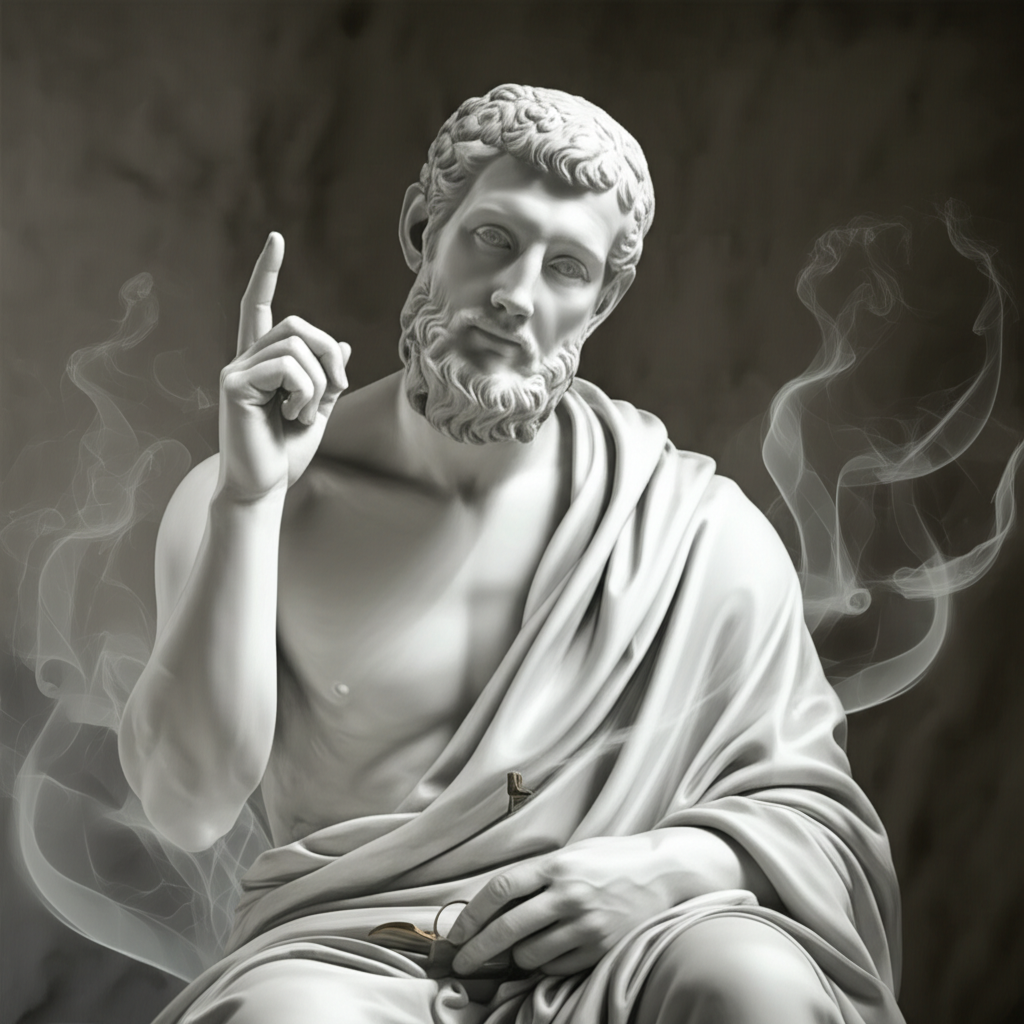
Cultivating the Will: The Path to Temperance
The cultivation of temperance is a lifelong endeavor, requiring conscious effort and a commitment to self-awareness. It's about training our will to respond to reason, not merely to impulse.
- Self-Awareness: The first step is to recognize our desires for what they are—forces that can be either constructive or destructive. What truly drives us? What are our weak points?
- Rational Deliberation: Before acting on a desire, engage your reason. Is this desire aligned with my long-term goals? Will satisfying it truly bring lasting good, or just fleeting pleasure?
- Practice and Habituation: Like any virtue, temperance is developed through practice. Repeated acts of self-control strengthen the will and make temperate choices easier over time. Aristotle stressed that we become just by doing just acts, and temperate by doing temperate acts.
- Mindfulness: Being present and aware of our internal states allows us to observe desires without immediately acting on them, creating a space for the will to intervene.
The Enduring Relevance
In a consumer-driven society, where instant gratification is marketed as happiness, the virtue of temperance offers a powerful counter-narrative. It reminds us that true freedom lies not in having everything we want, but in wanting what is truly good and pursuing it with a disciplined will. Temperance fosters inner peace, resilience, and clarity of purpose, allowing us to navigate the complexities of life with wisdom rather than being tossed about by every whim and desire. It is, in essence, the art of living well, orchestrated by a well-trained will.
YouTube Video Suggestions:
- "Plato's Tripartite Soul and the Charioteer Allegory Explained"
- "Aristotle on Temperance: The Golden Mean in Nicomachean Ethics"
📹 Related Video: ARISTOTLE ON: The Nicomachean Ethics
Video by: The School of Life
💡 Want different videos? Search YouTube for: "The Virtue of Temperance over Desire philosophy"