

The Measured Path: Embracing the Virtue of Temperance Over Desire
Summary: In an age often defined by immediate gratification, the ancient virtue of temperance offers a profound counter-narrative. Far from being an ascetic denial of life's pleasures, temperance is the rational mastery of our desires, allowing us to live a life of true flourishing. It is the judicious application of our will to guide our appetites, transforming potential vice into a harmonious existence aligned with reason and well-being. This article explores how temperance, as illuminated by the timeless wisdom of the Great Books, empowers us to navigate the complexities of human desire, fostering a balanced and purposeful life.
The Unfolding Tapestry of Desire and the Guiding Hand of Temperance
Human existence is inextricably linked to desire. From the primal urge for sustenance to the loftier aspirations for knowledge and connection, desires propel us forward, shaping our experiences and defining our pursuits. Yet, left unchecked, desire can become a tyrannical master, leading us down paths of excess and regret. Herein lies the profound relevance of temperance – a virtue lauded by philosophers for millennia.
Temperance is not the absence of desire, nor is it a joyless suppression of natural inclinations. Rather, it is the right ordering of desire. It represents a state of self-mastery where our rational will governs our appetites and passions, ensuring they serve our greater good rather than enslaving us. As we delve into the core tenets of this virtue, we understand it as a crucial component in the classical framework of Virtue and Vice. A lack of temperance, or intemperance, invariably leads to vice, manifesting as gluttony, lust, greed, or other forms of excess that diminish our humanity.
The Dual Nature of Desire: A Philosophical Inquiry
Desire, in its essence, is neither inherently good nor evil. It is a fundamental force, an engine of life. The challenge lies in distinguishing between desires that contribute to our well-being and those that detract from it.
- Natural Desires: These are essential for survival and flourishing – hunger, thirst, the need for companionship, the pursuit of knowledge. When tempered, these desires are fulfilled appropriately, leading to satisfaction and growth.
- Excessive Desires: These arise when natural desires become inordinate or when artificial desires are cultivated without rational oversight. They can manifest as insatiable cravings, addictions, or a relentless pursuit of external validation, often leading to unhappiness and spiritual impoverishment.
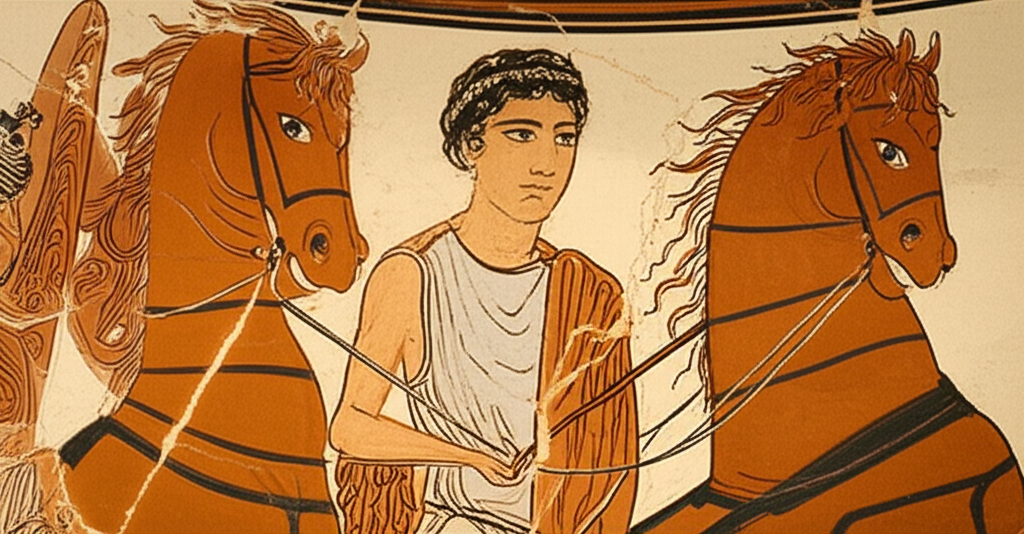
The Great Books of the Western World consistently return to this distinction. Plato, in his Republic, famously uses the analogy of the charioteer: reason (the charioteer) must guide the spirited and appetitive parts of the soul (the two horses). Without the charioteer's firm hand, the horses run wild, pulling the soul into chaos. Our will acts as this charioteer, empowered by temperance to steer our desires towards a harmonious destination.
Temperance as the Golden Mean: Aristotle's Enduring Wisdom
Aristotle, in his Nicomachean Ethics, positions temperance as a prime example of the "golden mean." For Aristotle, virtue lies not in extremes but in a balanced, rational disposition.
| Virtue | Excess (Vice) | Deficiency (Vice) |
|---|---|---|
| Temperance | Intemperance | Insensibility |
This table illustrates that temperance is not about denying pleasure entirely (which would be insensibility), but about experiencing pleasure appropriately and in moderation. It means choosing the right amount, at the right time, with the right people, for the right reason. It is the intelligent regulation of our sensual appetites, ensuring they do not overwhelm our capacity for reason and moral choice.
Cultivating Temperance: A Journey of the Will
The path to temperance is an active, conscious endeavor. It requires the deliberate exercise of our will to form virtuous habits and to resist the allure of immediate, often fleeting, gratification.
- Self-Awareness: Understanding our own desires, their triggers, and their potential consequences.
- Rational Deliberation: Engaging reason to evaluate whether a desire serves our long-term well-being or merely a momentary impulse.
- Practice and Habituation: Like any skill, temperance is strengthened through consistent practice. Each small act of self-control reinforces the will.
- Setting Boundaries: Establishing clear limits for consumption, leisure, and other activities prone to excess.
By intentionally cultivating temperance, we reclaim agency over our lives. We move from being passive recipients of our impulses to active architects of our character. This journey transforms potential vice into a robust virtue, leading to greater inner peace, clarity, and genuine happiness.
The Enduring Legacy of Temperance
From the Stoic emphasis on self-control to Aquinas's integration of temperance within Christian ethics as a cardinal virtue, the wisdom of the Great Books consistently champions its power. It is a virtue that transcends cultural and historical boundaries because it addresses a fundamental aspect of the human condition: our relationship with our own appetites.
In an era of endless digital distractions, consumerist pressures, and instant access to nearly every whim, the call for temperance is more resonant than ever. It invites us to pause, reflect, and choose a path of mindful living, where our will is directed by reason, and our desires are harmonized for a life of true purpose and profound satisfaction.
📹 Related Video: ARISTOTLE ON: The Nicomachean Ethics
Video by: The School of Life
💡 Want different videos? Search YouTube for: ""Aristotle Golden Mean Temperance Explained""
📹 Related Video: PLATO ON: The Allegory of the Cave
Video by: The School of Life
💡 Want different videos? Search YouTube for: ""Plato Chariot Allegory Explained Philosophy""