

The Measured Life: Embracing the Virtue of Temperance Over Unbridled Desire
Summary: In an age often defined by instant gratification and the relentless pursuit of more, the ancient virtue of temperance offers a profound counter-narrative. This article explores how temperance, far from being mere abstinence, represents the rational ordering of our desires by our will, leading to a more balanced, free, and flourishing life. Drawing from the wisdom of the Great Books of the Western World, we'll delve into why mastering our appetites is not a denial of joy, but a prerequisite for true self-mastery and lasting contentment, standing in stark contrast to the pitfalls of vice.
The Perennial Struggle: Desire vs. Will
From the earliest philosophical inquiries, humanity has grappled with the tumultuous relationship between our innate desires and our capacity for rational will. We all know the powerful pull of appetites – for pleasure, comfort, recognition, or material possessions. Yet, we also recognize the internal voice that urges caution, moderation, and long-term well-being. This internal conflict forms the bedrock of our ethical lives, and it is here that the concept of temperance emerges as a cardinal virtue.
Philosophers, from the ancient Greeks to modern ethicists, have consistently pointed to the mastery of desire as fundamental to a well-lived existence. Without such mastery, we risk becoming slaves to our impulses, perpetually chasing fleeting satisfactions that often leave us emptier than before.
Defining Temperance: A Classical Perspective
Temperance (σωφροσύνη in Greek) is not about extinguishing desire, but about ordering it. It's the virtue that allows us to enjoy the good things in life in their proper measure, guided by reason rather than excess.
In Plato's Republic, temperance is presented as a harmony within the soul, where the rational part (the charioteer) guides the spirited and appetitive parts (the horses). It signifies a state of inner order and self-control, where all parts of the soul agree on who should rule. Without this internal agreement, the soul is in disarray, prone to the vice of intemperance.
Aristotle, in his Nicomachean Ethics, elaborates on temperance as a mean between two extremes: insensibility (a lack of desire that is unnatural) and intemperance (an excess of desire). For Aristotle, the temperate person desires the right things, in the right amount, at the right time, and for the right reasons. It is a disposition, cultivated through habit, where our appetites align with our rational will.
Key Characteristics of Temperance:
- Self-Control: The ability to resist immediate gratification for a greater good.
- Moderation: Finding the "golden mean" between deficiency and excess.
- Rational Guidance: Allowing reason, not impulse, to dictate our choices.
- Inner Harmony: A state of peace resulting from a well-ordered soul.
The Nature of Desire: A Double-Edged Sword
Desire is a fundamental aspect of human existence. It fuels ambition, drives creativity, and connects us to the world. It is not inherently bad. However, unexamined or unchecked desire quickly transforms into a path toward vice.
Consider the various forms desire takes:
- Bodily Desires: Hunger, thirst, sexual urges, comfort.
- Material Desires: Wealth, possessions, luxury.
- Social Desires: Recognition, power, fame.
- Intellectual Desires: Knowledge, understanding, truth.
While intellectual desires often align with rational pursuits, bodily and material desires, when unregulated, can easily overwhelm our better judgment. The will plays a crucial role here. It is the faculty through which we choose to either indulge or restrain our desires, to be driven by them or to direct them.
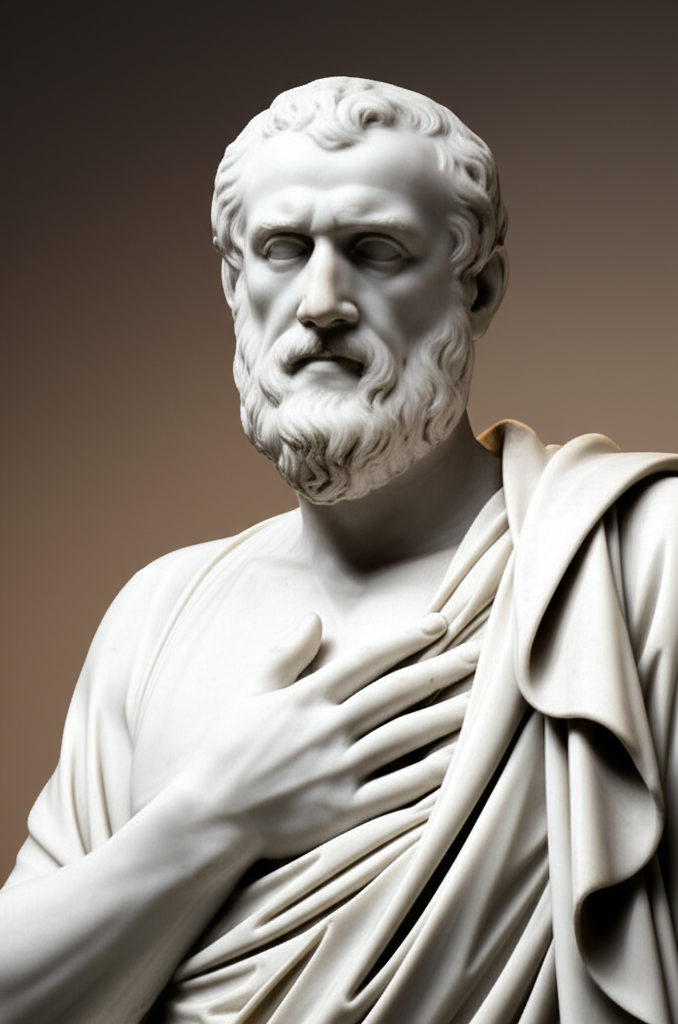
The Interplay of Virtue and Vice
The choice between temperance and intemperance (its corresponding vice) profoundly shapes our character and our lives. A life dominated by unbridled desire leads to a state of perpetual dissatisfaction. The more we indulge, the more our appetites grow, creating an endless cycle of craving and temporary satiation. This is the essence of enslavement to passion.
On the other hand, the cultivation of temperance fosters genuine freedom. It frees us from the tyranny of immediate urges, allowing us to pursue higher goods and more meaningful goals.
Temperance vs. Intemperance: A Comparison
| Aspect | Intemperance (Vice) | Temperance (Virtue) |
|---|---|---|
| Relationship to Desire | Enslaved by desire; seeks immediate, limitless gratification | Masters desire; orders it towards rational, sustainable ends |
| Outcome | Imbalance, regret, harm (self and others), lack of freedom | Harmony, flourishing, self-control, authentic freedom |
| Focus | External pleasures, fleeting satisfaction | Inner equilibrium, lasting well-being, long-term goals |
| Role of Will | Weak or absent; overridden by impulse | Strong; actively directs and restrains appetites |
| Moral State | Prone to other vices (e.g., greed, gluttony, lust) | Supports other virtues (e.g., prudence, justice, courage) |
As Thomas Aquinas, building on Aristotle, affirmed, temperance is a cardinal virtue because it moderates the concupiscible appetite, ensuring that our natural inclinations are directed by reason towards the good. It is the foundation upon which other virtues can truly flourish.
Cultivating Temperance in a Modern World
In an era of ubiquitous advertising, instant communication, and endless consumer choices, the practice of temperance is perhaps more challenging—and more crucial—than ever before. We are constantly bombarded with stimuli designed to ignite our desires.
To cultivate temperance is to actively engage our will in shaping our habits and choices. It involves:
- Self-Awareness: Understanding what triggers our desires and how they influence us.
- Mindfulness: Being present and conscious of our choices, rather than acting on autopilot.
- Delayed Gratification: Practicing the ability to wait for a greater reward or to forgo an immediate pleasure.
- Setting Boundaries: Establishing clear limits for consumption, screen time, or other activities.
- Focusing on Higher Goods: Directing our energy towards intellectual, spiritual, or communal pursuits that offer deeper satisfaction.
This isn't about asceticism, but about conscious choice. It's about recognizing that true freedom doesn't lie in having everything we desire, but in having the will to choose what is genuinely good for us.
YouTube Video Suggestions:
-
📹 Related Video: PLATO ON: The Allegory of the Cave
Video by: The School of Life
💡 Want different videos? Search YouTube for: "Plato Republic Temperance Charioteer Allegory"
-
📹 Related Video: ARISTOTLE ON: The Nicomachean Ethics
Video by: The School of Life
💡 Want different videos? Search YouTube for: "Aristotle Nicomachean Ethics Virtue of Moderation"
The Path to a Harmonious Self
The virtue of temperance is a timeless wisdom, echoing through the pages of the Great Books of the Western World. It reminds us that our true power lies not in the unconstrained pursuit of every desire, but in the disciplined application of our will to live a life of balance and purpose. By embracing temperance, we move beyond the fleeting satisfactions of vice and step onto the path of genuine self-mastery, cultivating an inner harmony that allows us to truly flourish as human beings. It is, in essence, the art of living well.