

The Art of Inner Harmony: Why Temperance Triumphs Over Unruly Desire
In an age often defined by immediate gratification and the relentless pursuit of every whim, the ancient virtue of temperance might seem an anachronism. Yet, as we delve into the wisdom preserved within the Great Books of the Western World, we discover that temperance is not merely about denial, but about the profound art of self-mastery, a critical pathway to genuine human flourishing. This article explores temperance not as the suppression of desire, but as its reasoned governance, allowing our will to guide our appetites towards a life of purpose and inner peace, steering us away from the pitfalls of vice.
The Enduring Wisdom of Temperance: A Summary
Temperance, far from being a joyless austerity, stands as a cardinal virtue, representing the reasoned control of our appetites and desires. It is the judicious application of our will to govern our natural inclinations, ensuring they serve our higher good rather than enslaving us. Drawing from classical philosophy, temperance is understood as the balanced state between unchecked indulgence and extreme asceticism, fostering inner harmony and genuine freedom by aligning our actions with our rational judgment. This mastery over desire is not about extinguishing it, but about cultivating a discerning spirit that knows when and how to engage with the world's pleasures, ultimately leading to a more virtuous and fulfilling life.
Reclaiming Temperance: A Philosophical Imperative
For centuries, philosophers from Plato to Aquinas recognized temperance as a cornerstone of the good life. In a world saturated with stimuli designed to provoke and satisfy every fleeting urge, the concept of regulating our desires feels both urgent and profoundly challenging. Yet, it is precisely this challenge that reveals the enduring power of temperance – not as a rigid moral code, but as a dynamic practice of self-awareness and intentional living.
The Great Books consistently remind us that human beings are complex creatures, possessing both rational faculties and powerful appetites. The tension between these aspects is where the struggle for virtue and vice unfolds. To allow our desires to run rampant is to surrender our autonomy, becoming slaves to external stimuli and internal cravings. Temperance, therefore, is the act of reclaiming that autonomy, asserting the primacy of reason and the strength of the will.
Desire: The Chariot's Steeds
Classical philosophy often depicted desire as a powerful force, akin to wild horses. Plato, in his Phaedrus, famously uses the analogy of the charioteer: reason (the charioteer) must guide the two horses – one noble and spirited, the other unruly and appetitive – to reach a higher destination. Without the charioteer's skillful hand, the horses would pull in opposite directions, leading to chaos and destruction.
- The Nature of Desire:
- Natural and Necessary Desires: Basic needs like food, drink, sleep.
- Natural but Unnecessary Desires: Desires for gourmet food, luxurious comfort.
- Unnatural and Unnecessary Desires: Desires born of convention, vanity, or addiction.
The temperate person does not deny the existence of these desires but understands their proper place and measure. They recognize that while some desires are essential for survival and well-being, others can lead to excess and ultimately, unhappiness. The challenge lies in distinguishing between them and exercising the will to choose wisely.
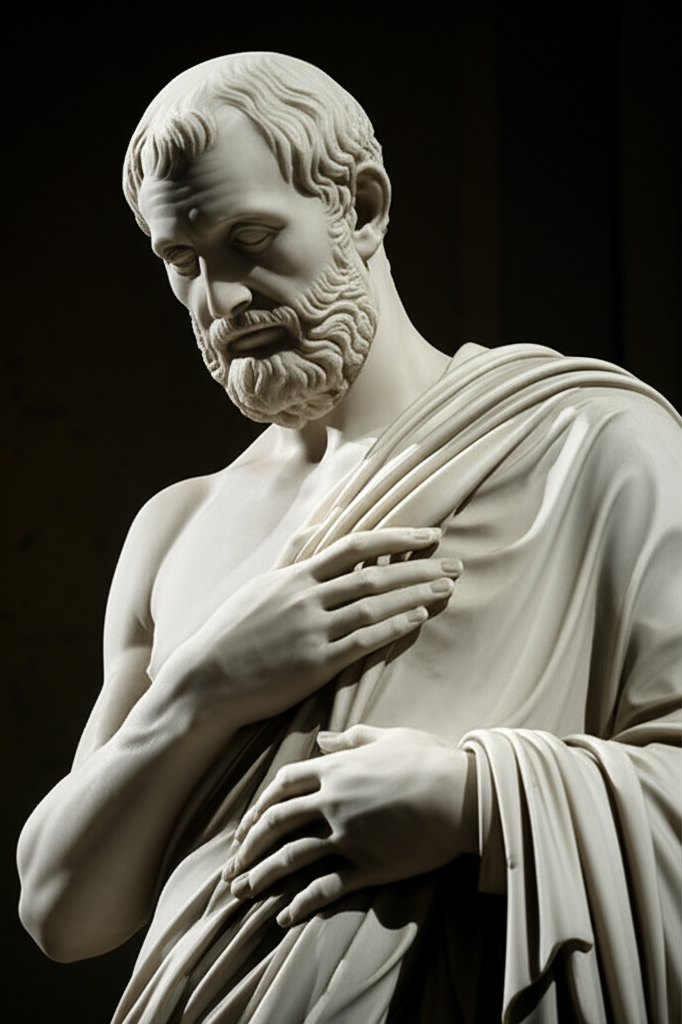
The Will's Dominion: Cultivating Temperance
How does one cultivate temperance? It is not a passive state but an active engagement of the will. Aristotle, in his Nicomachean Ethics, frames temperance as a mean between two extremes: insensibility (a lack of desire or pleasure) and self-indulgence (excessive pursuit of pleasure). The temperate person feels pleasure and pain appropriately, at the right time, in the right way, and towards the right objects.
| Aspect of Temperance | Description | Opposing Vice (Excess) | Opposing Vice (Deficiency) |
|---|---|---|---|
| Rational Control | The ability of reason to guide and moderate appetites and passions. | Self-indulgence, licentiousness | Insensibility, apathy |
| Self-Mastery | The will's capacity to resist immediate gratification for a greater good or long-term well-being. | Impulsivity, recklessness | Indecisiveness, weakness of will |
| Inner Harmony | The alignment of desires with one's rational principles and moral compass, leading to internal peace. | Internal conflict, restlessness | Stagnation, lack of vitality |
| Appropriate Enjoyment | Experiencing pleasure in a balanced and healthy manner, appreciating good things without being enslaved by them. | Hedonism, gluttony | Asceticism, joylessness |
This cultivation requires practice, self-reflection, and a conscious effort to align our actions with our highest values. It is a continuous process of shaping our character, transforming raw desire into a force that serves our well-being rather than undermining it.
The Freedom Found in Self-Restraint
Paradoxically, true freedom is often found not in the absence of limits, but in self-imposed boundaries. When we allow our desires to dictate our choices, we become slaves to external stimuli and fleeting sensations. We are constantly chasing the next high, the next acquisition, never truly satisfied. This endless pursuit is a form of bondage.
- Temperance as Liberation:
- Freedom from Compulsion: No longer driven by insatiable cravings.
- Freedom for Higher Pursuits: Energy and focus redirected towards intellectual, creative, or communal goals.
- Freedom of Mind: Reduced anxiety and regret stemming from impulsive decisions.
Through temperance, the will asserts its rightful place, allowing us to choose what is truly good, rather than merely what feels good in the moment. This is the path to genuine contentment and a life lived with intention.
Conclusion: A Timeless Virtue for Modern Life
The philosophical tradition, from Plato to Kant, consistently underscores the vital role of temperance in achieving a flourishing life. It is not about asceticism for its own sake, but about cultivating a discerning spirit, strengthening our will, and aligning our desires with our rational judgment. In a world that constantly tempts us to indulge, the virtue of temperance offers a powerful antidote, promising not deprivation, but a deeper, more profound form of freedom and inner harmony. By learning to govern our appetites, we become masters of ourselves, capable of pursuing a life rich in meaning and purpose, rather than being swept away by the currents of unexamined desire.
📹 Related Video: PLATO ON: The Allegory of the Cave
Video by: The School of Life
💡 Want different videos? Search YouTube for: ""Plato's Chariot Allegory Explained" or "Aristotle Nicomachean Ethics Temperance""