

The Steady Hand: Why Temperance is the Cornerstone of Effective Political Leadership
In an age often characterized by extremes, impulsivity, and the relentless pursuit of power, the ancient virtue of temperance stands as an indispensable, yet frequently overlooked, quality for those who govern. This article explores temperance not merely as a quaint moral precept, but as a robust and essential virtue for sound political leadership, drawing deeply from the philosophical traditions preserved within the Great Books of the Western World. We will examine how temperance, far from being a passive moderation, is an active form of self-mastery that enables prudence in decision-making, fosters stability in government, and safeguards against the corrosive influence of vice.
Understanding Temperance: More Than Mere Moderation
At its core, temperance (from the Latin temperare, "to mix, regulate, or restrain") signifies self-control, balance, and moderation in all things—desires, appetites, emotions, and actions. It is not about ascetic denial, but rather the intelligent regulation of our inner life so that our passions serve reason, rather than enslaving it.
-
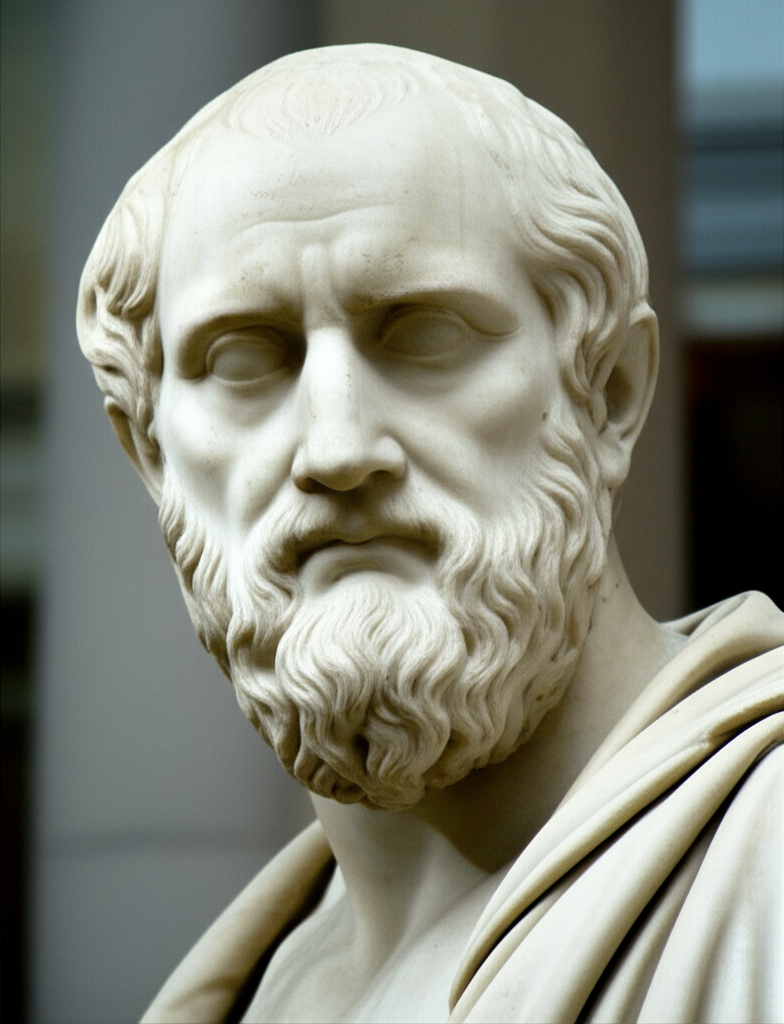
Plato's Vision: In Plato's Republic, temperance (or sophrosyne) is presented as a harmony, an agreement among the different parts of the soul—reason, spirit, and appetite—as to which should rule. For Plato, a temperate society, like a temperate individual, is one where each part performs its proper function, leading to order and justice. A leader imbued with temperance would therefore bring this internal harmony to the state, ensuring that the appetites of power or personal gain do not override the rational pursuit of the common good.
-
Aristotle's Golden Mean: Aristotle, in his Nicomachean Ethics, frames temperance as a mean between two extremes: the vice of insensibility (a deficiency of feeling or desire) and the vice of intemperance or self-indulgence (an excess of feeling or desire). It is the ability to feel and act in the right way, at the right time, towards the right objects, for the right reasons. This requires practical wisdom, or prudence (phronesis), which guides the temperate person to discern the appropriate mean in any given situation.
The Virtuous Leader: Temperance in Political Practice
How does this philosophical ideal translate into the challenging realities of government? A temperate leader exhibits specific qualities that distinguish them from their intemperate counterparts.
Key Facets of Temperance in Leadership:
- Restraint in Power: A temperate leader understands that power is a trust, not a license. They resist the temptation to abuse authority, to become autocratic, or to enrich themselves at the public's expense. Their ambition is tempered by a commitment to service.
- Fiscal Responsibility: In managing public resources, temperance dictates a balanced approach—avoiding both lavish extravagance that burdens taxpayers and parsimonious neglect that starves essential services. It’s about wise allocation.
- Measured Rhetoric: Temperate leaders speak with deliberation, avoiding inflammatory language, demagoguery, or empty promises. They appeal to reason rather than raw emotion, fostering constructive dialogue over divisive polemics.
- Decisive, Not Rash: While temperance implies careful consideration, it does not mean indecisiveness. Guided by prudence, a temperate leader makes timely decisions after due deliberation, avoiding both impulsive reactions and paralyzing hesitation.
- Emotional Equanimity: Political life is fraught with pressure and crisis. A temperate leader maintains composure under duress, not allowing anger, fear, or personal animosity to cloud their judgment or dictate policy.
Temperance vs. Political Vices:
| Virtue: Temperance | Vice of Excess: Intemperance | Vice of Deficiency: Insensibility |
|---|---|---|
| Self-control, moderation, rational restraint | Greed, impulsivity, lust for power, demagoguery | Apathy, indecisiveness, lack of conviction |
| Prudence in decision-making | Recklessness, shortsightedness, self-interest | Paralysis by analysis, refusal to act |
| Fiscal responsibility | Extravagance, corruption, wasteful spending | Undermining essential services, austerity to a fault |
| Measured, unifying rhetoric | Inflammatory speech, divisive populism | Silence in the face of injustice, lack of voice |
| Emotional stability under pressure | Emotional outbursts, vindictiveness | Detachment, lack of empathy |
The Indispensable Role of Prudence
It is crucial to emphasize that temperance does not operate in isolation. It is inextricably linked with prudence (or practical wisdom). Temperance provides the internal fortitude to resist impulses, while prudence provides the intellectual compass to discern the right path. A leader might be temperate in their desires but lack the wisdom to apply that temperance effectively in complex policy decisions. Conversely, a leader might be intellectually astute but lack the self-control to act on their best judgment, succumbing instead to personal ambition or popular pressure. Together, temperance and prudence form a powerful partnership, enabling leaders to navigate the moral and practical dilemmas inherent in government.
The Great Books remind us that the health of the polis ultimately reflects the character of its citizens and, most critically, its leaders. When leaders embody temperance, they set a standard for the entire society, fostering an environment where reason, rather than passion or self-interest, is the guiding force.
Conclusion: A Timeless Call to Self-Mastery
In a world clamoring for quick fixes and strongman solutions, the quiet strength of temperance offers a more enduring path to stable and just government. It is the virtue that prevents the excesses of power from becoming tyranny and shields the public good from the vices of personal ambition. As we look to the wisdom of antiquity, the call for temperate leadership remains as urgent and relevant as ever, urging those who govern to cultivate the self-mastery necessary to truly serve.
**## 📹 Related Video: PLATO ON: The Allegory of the Cave
Video by: The School of Life
💡 Want different videos? Search YouTube for: ""Plato's Republic Temperance" or "Aristotle Nicomachean Ethics Temperance""**