

The Virtue of Temperance in Political Leadership
In an era often characterized by extremes and impulsive decision-making, the ancient virtue of temperance offers a timeless and profoundly relevant framework for evaluating and cultivating effective political leadership. Far from mere abstinence, temperance, as understood by the philosophers of the Great Books of the Western World, is the mastery of one's desires and passions, enabling clear judgment and action aligned with reason and the common good. This article will explore temperance not just as a personal attribute but as an indispensable cornerstone for stable and just government, connecting it to the broader discourse of virtue and vice and its essential partnership with prudence.
Temperance: A Classical Philosophical Lens
From Plato's Republic to Aristotle's Nicomachean Ethics, temperance (σώφροσύνη, sophrosyne) has been lauded as a cardinal virtue. It is not about asceticism for its own sake, but about finding the appropriate mean, the harmonious balance between excess and deficiency.
- Plato's Perspective: For Plato, temperance is akin to self-mastery, a state where the rational part of the soul governs the spirited and appetitive parts. In the ideal city, this virtue ensures harmony, with each class—rulers, auxiliaries, and producers—knowing its place and performing its function without overreaching. A temperate leader, therefore, embodies this internal order, reflecting it in the governance of the state.
- Aristotle's Golden Mean: Aristotle elaborated on temperance as a mean between the vices of insensibility (deficiency) and self-indulgence (excess). It's the habituated disposition to feel and act in the right way, at the right time, towards the right objects, and with the right motive. It's an active, conscious choice to moderate desires rather than be enslaved by them.
This understanding elevates temperance beyond simple moderation; it is a foundational strength that allows other virtues, especially prudence (practical wisdom), to flourish. Without the self-control temperance provides, a leader's judgment can be clouded by personal ambition, greed, fear, or the desire for immediate gratification, leading to significant societal harm.
The Indispensable Role of Temperance in Government
A temperate leader is one who approaches the immense power and responsibility of their office with a clear mind, free from the tyrannical grip of unbridled appetites. This translates into tangible benefits for government and the populace it serves.
Characteristics of a Temperate Political Leader:
| Aspect of Leadership | Temperate Leader | Intemperate Leader |
|---|---|---|
| Decision-Making | Rational, deliberate, long-term focused | Impulsive, emotional, short-sighted |
| Resource Mgmt. | Fiscally responsible, avoids extravagance | Wasteful, prone to corruption, self-serving |
| Power Dynamics | Seeks justice, empowers others, avoids tyranny | Authoritarian, power-hungry, suppresses dissent |
| Public Trust | Inspires confidence through consistency & integrity | Breeds cynicism, seen as unreliable or corrupt |
| Resilience | Calm under pressure, adaptable, persistent | Easily swayed, prone to panic or petulance |
Temperance and Prudence:
Temperance is not merely self-denial; it is the ground upon which prudence can operate effectively. Prudence, the intellectual virtue of knowing how to act correctly in particular situations, requires a mind unclouded by excessive passion. A leader driven by insatiable ambition or fear cannot make truly prudent decisions because their judgment is compromised by these internal forces. Only a temperate mind can objectively assess complex situations, weigh competing interests, and choose the most virtuous and effective course of action for the common good.
The Vices of Intemperance in Leadership
The absence of temperance manifests as vice, and its consequences in political leadership are often catastrophic. History is replete with examples of rulers whose downfall, and the suffering of their people, stemmed directly from their inability to master their desires.
- Greed and Corruption: Intemperate leaders often succumb to financial temptations, misusing public funds for personal gain or the enrichment of cronies. This erodes public trust and diverts resources from essential services.
- Lust for Power: An unchecked desire for control can lead to authoritarianism, suppression of dissent, and the dismantling of democratic institutions. Such leaders prioritize their own dominion over the welfare of the citizenry.
- Rashness and Impulsivity: Leaders who lack temperance may make hasty decisions driven by anger, fear, or a need for immediate validation, leading to ill-conceived policies, international conflicts, or economic instability.
- Hedonism and Indolence: A leader overly devoted to pleasure or comfort may neglect their duties, becoming unresponsive to the needs of the people or failing to address critical challenges.
These vices not only undermine the legitimacy of government but also create a culture of instability and injustice, demonstrating vividly why temperance is not merely a moral nicety but a practical necessity for good governance.
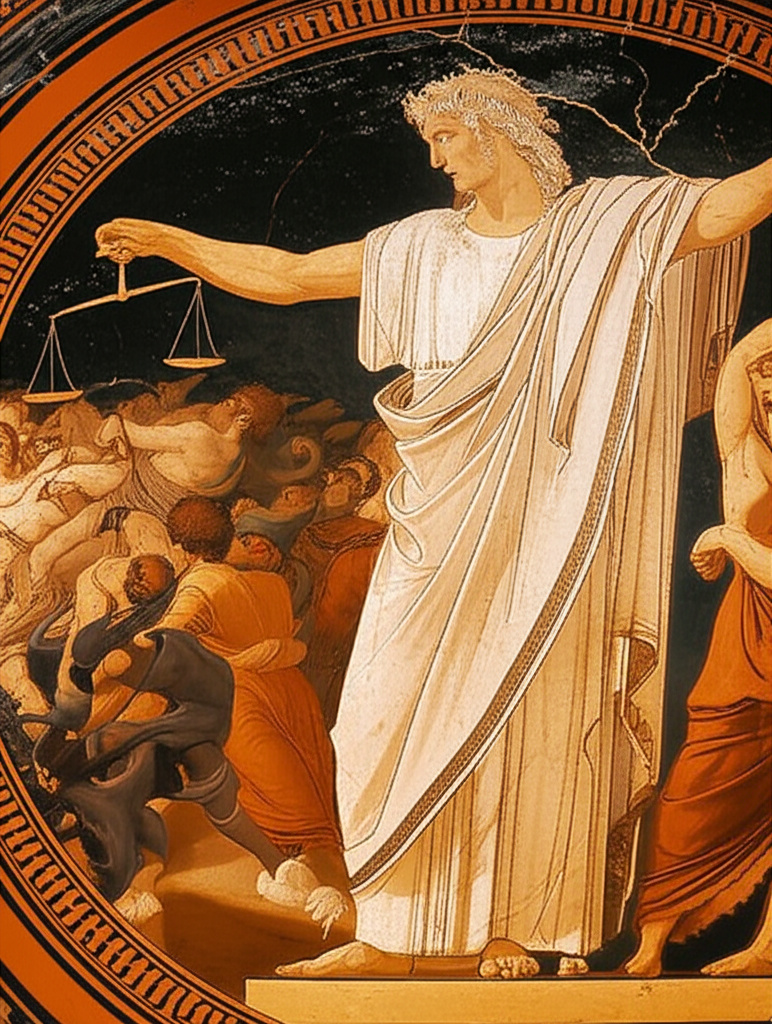
Cultivating Temperance in Modern Leadership
While some might view temperance as an antiquated concept, its relevance in the complexities of modern politics is arguably greater than ever. The constant pressure, the allure of power, and the immediacy of public scrutiny demand leaders with robust internal fortitude.
Strategies for Cultivating Temperance:
- Philosophical Education: Exposure to the wisdom of the Great Books and other ethical traditions provides a framework for understanding and valuing virtues.
- Self-Reflection and Accountability: Leaders must be encouraged to regularly examine their motives and decisions, perhaps through structured mentorship or ethical review processes.
- Institutional Checks and Balances: Robust democratic institutions, independent judiciaries, and a free press act as external mechanisms that can mitigate the effects of an individual leader's intemperance.
- Public Discourse: A societal emphasis on integrity, moderation, and long-term vision in leadership can encourage these qualities in aspiring politicians.
Ultimately, the call for temperance in leadership is a call for leaders who prioritize the enduring good of the polis over transient personal desires. It is a demand for statesmanship over mere politicking, for governance rooted in wisdom rather than whim.
Conclusion
The virtue of temperance remains a critical, albeit often overlooked, pillar for effective and ethical political leadership. As ancient philosophers recognized, a leader who cannot govern themselves can hardly be expected to govern a state justly and wisely. By embracing temperance, leaders cultivate the inner harmony necessary for sound judgment, informed by prudence, and steer the ship of government away from the perilous rocks of vice. In an age craving stability and integrity, revisiting this classical virtue offers a potent pathway toward more responsible and benevolent governance.
YouTube Suggestions:
- "Plato Republic Book IV Temperance"
- "Aristotle Nicomachean Ethics Temperance and the Golden Mean"
📹 Related Video: ARISTOTLE ON: The Nicomachean Ethics
Video by: The School of Life
💡 Want different videos? Search YouTube for: "The Virtue of Temperance in Political Leadership philosophy"