

The Measured Life: How Temperance Cultivates a Healthy Body and Mind
Summary: In an age of excess, the ancient virtue of temperance offers a profound path to holistic well-being. Far from mere abstinence, temperance is the judicious moderation of desires and appetites, crucial not only for moral character but also as a foundational medicine for the body and mind, guiding us away from vice towards a balanced, flourishing existence.
The Enduring Wisdom of Moderation
In the clamour of modern life, where immediate gratification and abundant choices often reign supreme, the ancient virtue of temperance can seem a quaint, perhaps even restrictive, concept. Yet, as we grapple with epidemics of chronic disease, mental health challenges, and a pervasive sense of disquiet, the wisdom embedded in this classical ideal becomes strikingly relevant. For the great thinkers of the Western tradition, temperance was not just about saying "no," but about cultivating a harmonious inner state that directly impacted one's physical health and overall capacity for a good life. It is, in essence, a philosophical medicine for the body and soul.
Tracing Temperance Through the Great Books
The concept of temperance (or sophrosyne in Greek) is a cornerstone of classical philosophy, deeply explored in the Great Books of the Western World. It's a virtue that speaks to self-mastery and the appropriate regulation of our natural desires.
- Plato's Harmony: For Plato, as articulated in works like Republic, temperance is one of the four cardinal virtues, signifying the harmonious agreement of the rational, spirited, and appetitive parts of the soul. When these parts are in balance, the individual achieves inner peace and acts with appropriate moderation. An intemperate soul, conversely, is in internal conflict, leading to vice and detrimental actions, often with physical consequences.
- Aristotle's Golden Mean: Aristotle, in his Nicomachean Ethics, famously positioned virtue as the "golden mean" between two extremes of vice – excess and deficiency. Temperance, in this context, is the mean concerning pleasures and pains. For instance, regarding food and drink, temperance is neither gluttony (excess) nor insensibility (deficiency), but the right amount at the right time. This pragmatic approach directly connects moderation to physical well-being.
- Stoic Self-Control: The Stoics, such as Seneca and Epictetus, championed temperance as a vital component of living in accordance with nature and reason. Their emphasis on self-control over passions and external circumstances directly translates to a disciplined approach to the body and its needs. By not being enslaved by appetites, one achieves inner freedom and resilience, which are undoubtedly beneficial for health.
These philosophical traditions consistently underscore that the lack of temperance leads to vice, which invariably manifests as imbalance, both internally and externally, affecting the body as much as the mind.
The Body as a Temple: Philosophical Medicine in Practice
The ancients understood that the body is not merely a vehicle for the mind, but an integral part of the human experience, deeply intertwined with our capacity for reason and virtue. Therefore, cultivating temperance was seen as a form of preventative medicine.
Consider the implications:
- Dietary Wisdom: An intemperate person might succumb to gluttony, overeating, or consuming harmful substances. A temperate individual, however, exercises discernment, choosing foods that nourish the body without overindulging. This isn't about deprivation, but about intelligent nourishment.
- Physical Activity: While not always explicit in terms of modern exercise routines, the emphasis on a balanced life often included appropriate physical exertion, avoiding both idleness and excessive strain. A temperate approach to physical activity ensures the body remains robust without succumbing to injury or exhaustion.
- Sleep and Rest: The temperate person recognizes the body's need for adequate rest, avoiding the vice of sleepless nights driven by endless pursuits or the vice of slothful oversleeping. This balance is crucial for cellular repair, cognitive function, and overall vitality.
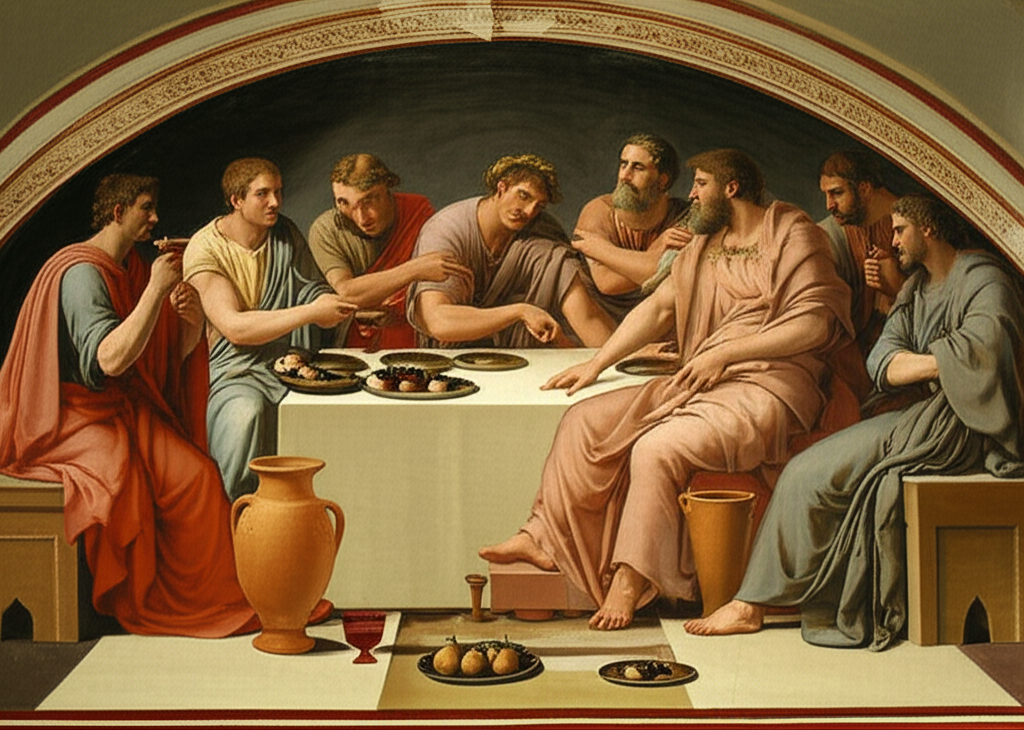
The consequences of intemperance are starkly visible in health today. The overconsumption of processed foods, the sedentary lifestyles facilitated by technology, and the constant pursuit of fleeting pleasures all contribute to a host of ailments. Virtue and vice are not abstract moral concepts; they have tangible, physiological effects.
Reclaiming Temperance in a World of Excess
How then do we re-embrace this ancient virtue in our modern lives? It begins with a conscious decision to cultivate self-awareness and self-mastery.
Here are some pathways to integrating temperance:
- Mindful Consumption: Approach food, drink, and even digital content with intentionality. Ask: Is this truly nourishing my body or mind, or am I merely succumbing to an unexamined appetite?
- The Power of "Enough": Learn to recognize the point of sufficiency. This applies to possessions, work, leisure, and even social interaction. The virtue of temperance lies in knowing when to stop, before excess turns into vice.
- Delayed Gratification: Practice deferring immediate pleasures for greater, long-term benefits. This strengthens the rational part of the soul and builds resilience against impulsive desires.
- Routine and Rhythm: Establish consistent routines for sleep, work, and leisure. A predictable rhythm helps to regulate the body's natural processes and reduces the likelihood of falling into patterns of excess or neglect.
| Aspect of Life | Intemperance (Vice) | Temperance (Virtue) | Health Outcome |
|---|---|---|---|
| Diet | Gluttony, overeating, poor choices | Mindful eating, balanced nutrition | Obesity, chronic disease vs. Optimal weight, vitality |
| Activity | Sedentary lifestyle, over-exertion | Regular, moderate exercise | Weakness, injury vs. Strength, flexibility |
| Sleep | Insomnia, excessive sleeping | Consistent, adequate rest | Fatigue, cognitive decline vs. Mental clarity, energy |
| Pleasures | Addiction, constant indulgence | Enjoyment in moderation, self-control | Mental distress, dependency vs. Contentment, freedom |
Conclusion: A Foundation for Flourishing
The virtue of temperance is far more than a puritanical restriction; it is an active, intelligent engagement with our desires, ensuring they serve our highest good rather than enslave us. Drawing from the profound insights of the Great Books of the Western World, we see that temperance is not merely a moral ideal but a practical medicine for the body and mind. By cultivating this ancient virtue, we move beyond the pitfalls of vice and excess, laying a robust foundation for a life of health, balance, and genuine flourishing. It is a timeless invitation to live a measured life, where true freedom is found not in boundless indulgence, but in thoughtful self-mastery.
📹 Related Video: PLATO ON: The Allegory of the Cave
Video by: The School of Life
💡 Want different videos? Search YouTube for: ""Aristotle Nicomachean Ethics Temperance" or "Plato's Republic Sophrosyne""