

The Measured Life: How Temperance Cultivates Health
In an age often defined by excess, the ancient virtue of Temperance offers a profound, often overlooked, path to holistic health. This article explores how temperance—far beyond mere abstinence—serves as a cornerstone of physical and mental well-being, drawing upon the wisdom of the Great Books of the Western World to illuminate its enduring relevance for the Body and the mind. It is a Virtue that actively combats Vice, acting as a preventative Medicine for a life prone to imbalance.
The Ancient Wisdom of Self-Restraint
For centuries, philosophers have pondered the ideal human life, consistently arriving at the conclusion that a life of virtue is a life of flourishing. Among these virtues, temperance holds a special place, particularly concerning our relationship with our physical selves and our desires. From Plato's Republic, where temperance is described as a harmony within the soul, to Aristotle's Nicomachean Ethics, which frames it as the "golden mean" between excess and deficiency, the message is clear: self-mastery is fundamental to a good life.
The ancients understood that our appetites and passions, while natural, require careful management. Unchecked desires lead not only to moral decay but also to physical debilitation. Temperance, therefore, isn't about denying pleasure but about experiencing it in its proper measure, ensuring that our rational faculty guides our choices rather than being enslaved by fleeting impulses.
Temperance Defined: More Than Mere Abstinence
Often misunderstood as mere abstinence or asceticism, temperance is far richer. It is the Virtue of moderation, self-control, and balance, particularly concerning bodily pleasures such as food, drink, and sensual gratification. It's about knowing how much is enough and when to stop, guided by reason and a long-term vision of well-being, rather than by immediate gratification.
Consider the distinction between Virtue and Vice:
- Temperance (Virtue): The rational control over desires, leading to balance and well-being. It is a deliberate choice.
- Intemperance (Vice): The unrestrained indulgence of desires, leading to excess, harm, and a loss of self-mastery. It is a surrender to impulse.
This distinction is crucial. Temperance is not the absence of desire, but the intelligent ordering of it. It implies a deep understanding of one's own limits and a commitment to living within them for the sake of a greater good—a healthy, harmonious life.
The Body as a Temple (or a Machine): A Philosophical View of Health
The ancient philosophers, though lacking modern scientific understanding, possessed an intuitive grasp of the interconnectedness of mind and Body. They viewed the body not merely as a vessel for the soul, but as an integral part of the human experience that demands respect and care. Plato, for instance, in his Timaeus, discusses the harmonious functioning of the body as essential for the soul's health.
For these thinkers, true Medicine extended beyond merely treating illness; it encompassed the art of living well to prevent disease. Temperance, in this context, becomes a primary preventative medicine. An intemperate lifestyle—marked by gluttony, excessive drinking, or sloth—was seen as a direct assault on the body's natural balance, leading inevitably to sickness and weakness. The body, when abused, rebels.
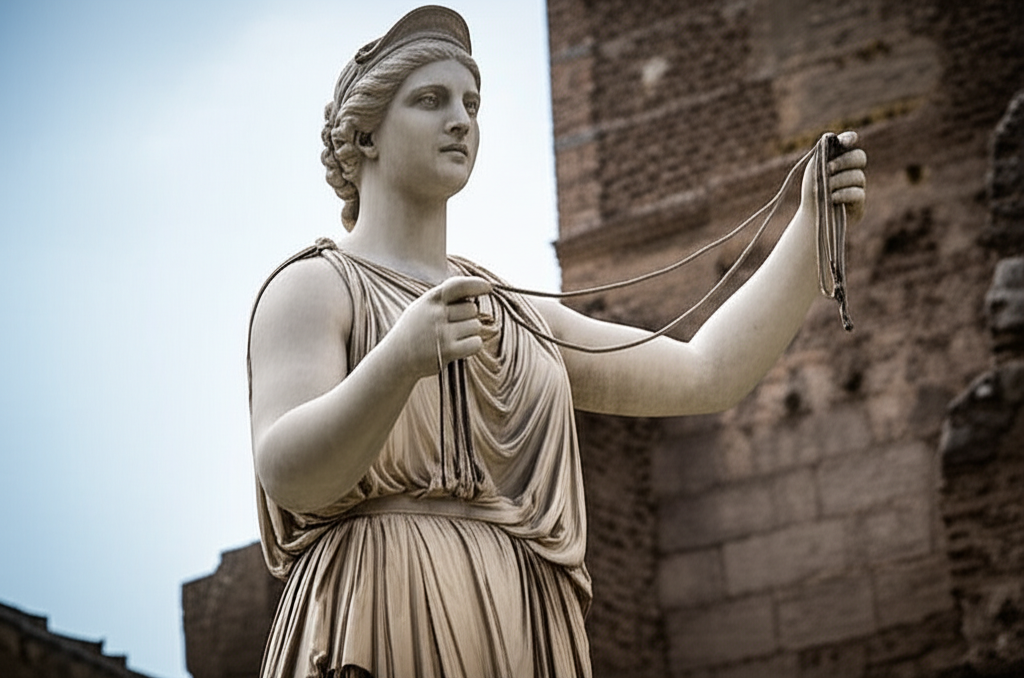
The Interplay of Mind, Body, and Temperance
The impact of temperance extends beyond the purely physical. A temperate individual, who exercises control over their appetites, often finds this discipline spilling over into other areas of life. The mental fortitude required to resist immediate gratification strengthens the will, fostering greater concentration, emotional stability, and resilience.
Aristotle's concept of the "Golden Mean" is particularly insightful here. He argued that virtue lies in the middle ground between two extremes. For example, courage is the mean between recklessness and cowardice. Similarly, temperance is the mean between excessive indulgence (gluttony, debauchery) and excessive denial (insensitivity, asceticism that harms the body). This balanced approach allows for the full enjoyment of life's pleasures without succumbing to their destructive potential.
Practical Manifestations of Temperance in Health
How does the ancient Virtue of Temperance translate into tangible health benefits for the Body today? Its applications are numerous and highly relevant:
- Diet and Nutrition: Temperance encourages mindful eating, avoiding both gluttony and restrictive fads. It promotes a balanced intake of nutrients, recognizing food as fuel and pleasure, but not as an escape or sole source of comfort. This is a powerful preventative Medicine against obesity, diabetes, and heart disease.
- Exercise and Rest: A temperate approach to physical activity means finding a sustainable routine, avoiding both extreme exertion that leads to injury and chronic inactivity that leads to atrophy. It also emphasizes adequate rest and sleep as crucial for recovery and mental clarity.
- Emotional Regulation: Temperance extends to our emotional life. It involves controlling bursts of anger, envy, or excessive sorrow, understanding that extreme passions can wreak havoc on our physical health (e.g., stress-related illnesses).
- Substance Use: Whether it's alcohol, caffeine, or other substances, temperance dictates a prudent, moderate approach, recognizing the potential for harm when consumption becomes excessive or uncontrolled. It is the antidote to addiction, a profound Vice of intemperance.
- Digital Consumption: In our modern age, temperance can even apply to screen time and information overload, encouraging mindful engagement rather than endless scrolling, protecting mental well-being and preventing digital fatigue.
The Modern Relevancy: Ancient Wisdom for Contemporary Challenges
In a world saturated with instant gratification, endless consumption, and constant stimulation, the Virtue of Temperance is more critical than ever. It offers a powerful antidote to the prevailing culture of excess that contributes to epidemics of obesity, chronic stress, anxiety, and addiction. By embracing temperance, we reclaim agency over our desires and cultivate a more intentional, healthier existence. It is a philosophy for well-being that transcends time, a timeless Medicine for the human condition.
Conclusion: Cultivating a Harmonious Existence
The journey towards health, both physical and mental, is not merely about diet and exercise routines; it is fundamentally about character. The Virtue of Temperance, deeply embedded in the philosophical tradition of the Great Books, offers a profound framework for achieving a harmonious existence. By learning to master our appetites and passions, to find the "golden mean" in all things, we not only improve the health of our Body but also cultivate a robust and resilient spirit. It is an invitation to live a measured life, where true flourishing is found in self-mastery, not in endless indulgence.
📹 Related Video: PLATO ON: The Allegory of the Cave
Video by: The School of Life
💡 Want different videos? Search YouTube for: "Plato Aristotle Temperance Virtue Ethics"
📹 Related Video: STOICISM: The Philosophy of Happiness
Video by: The School of Life
💡 Want different videos? Search YouTube for: "Stoicism Moderation Health Ancient Philosophy"