

The Virtue of Temperance: A Philosophical Prescription for Health
In an age often defined by excess and instant gratification, the ancient virtue of temperance offers a profound and surprisingly practical path to genuine health and well-being. Far from being a puritanical denial of pleasure, temperance, or sophrosyne as the Greeks called it, is the art of self-mastery, the intelligent ordering of desires, and the harmonious balance between indulgence and deprivation. This article explores how this essential virtue, deeply embedded in the foundational texts of Western philosophy, serves not merely as a moral guideline but as a timeless form of medicine for both the body and the mind, directly impacting our physical vitality and mental clarity. We will delve into its philosophical roots, contrast it with the destructive nature of vice, and illuminate its enduring relevance to contemporary health.
The Ancient Call for Balance: Understanding Temperance
The concept of temperance has resonated through philosophical discourse for millennia, a cornerstone of a well-lived life. At its core, temperance is about moderation, self-control, and the rational governance of our appetites and passions. It’s the internal discipline that prevents us from being enslaved by our immediate desires, guiding us towards choices that align with our long-term flourishing.
In the philosophical tradition, temperance is not about eliminating pleasure, but about experiencing it appropriately and in due measure. It acknowledges the inherent human desire for pleasure but insists that these desires be guided by reason, preventing them from becoming destructive forces that undermine our health and happiness.
Temperance in the Great Books: A Historical Perspective
The philosophers whose works form the bedrock of the "Great Books of the Western World" consistently championed temperance as indispensable. Their insights offer a rich tapestry of understanding regarding this vital virtue.
Plato's Republic: Harmony of the Soul
For Plato, as articulated in his seminal work The Republic, temperance is a state of internal harmony, a concord between the different parts of the soul. He describes it as a kind of "order" and "mastery of certain pleasures and appetites." In Plato's tripartite soul, temperance is achieved when the rational part governs the spirited and appetitive parts. This self-mastery is not merely a moral good; it is the very condition for the soul's health, which, by extension, profoundly impacts the body. An intemperate soul, driven by unrestrained desires, is chaotic and ultimately unhealthy.
Aristotle's Nicomachean Ethics: The Golden Mean
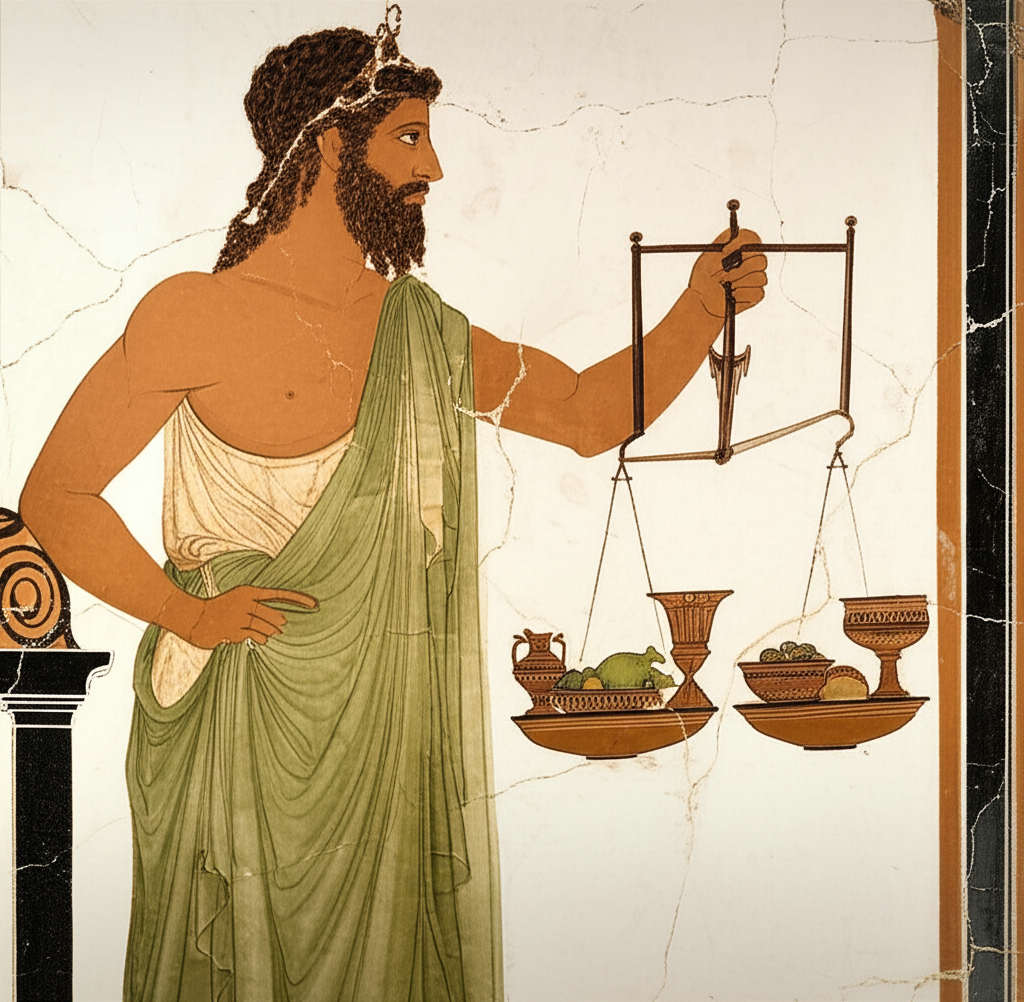
Aristotle, in his Nicomachean Ethics, presents temperance (or sōphrosynē) as a moral virtue that lies at the "golden mean" between two extremes of vice: insensibility (deficiency) and self-indulgence (excess). Specifically, temperance concerns our bodily pleasures – food, drink, and sex. An intemperate person is excessively drawn to these pleasures, while an insensible person feels too little attraction. The temperate individual enjoys these pleasures in the right way, at the right time, and in the right amount, guided by reason. For Aristotle, living temperately is not about denying the body's needs but about satisfying them in a way that promotes overall human excellence and well-being. This balanced approach is, in essence, a preventative medicine for the soul and the body.
The Body, the Mind, and the Medicine of Moderation
The connection between temperance and health is not merely abstract; it is profoundly physiological and psychological. When we speak of medicine, we often think of external interventions, but temperance offers an internal, preventative approach to health maintenance.
Physical Health Benefits
- Dietary Choices: A temperate approach to eating avoids both gluttony and extreme asceticism. It promotes mindful consumption of nutritious foods in appropriate portions, preventing conditions like obesity, heart disease, and diabetes.
- Exercise and Rest: Temperance encourages a balanced approach to physical activity, avoiding both sloth and overtraining. It also emphasizes adequate rest and sleep, crucial for the body's repair and rejuvenation.
- Substance Use: Moderation in alcohol consumption and the avoidance of addictive substances are direct manifestations of temperance, protecting the body from severe harm and disease.
Mental and Emotional Well-being
- Clarity and Focus: An intemperate lifestyle, characterized by overindulgence, often leads to mental fogginess and distraction. Temperance, by contrast, fosters mental clarity, enabling better decision-making and sustained focus.
- Emotional Regulation: Mastering one's desires extends to managing emotions. Temperate individuals are less prone to emotional outbursts or being overwhelmed by fleeting feelings, leading to greater inner peace and resilience.
- Freedom from Addiction: The vice of intemperance is often the gateway to addiction, whether to food, substances, or even technology. Temperance provides the framework for resisting these compulsions, offering genuine freedom and self-possession.
The Vices of Intemperance: A Slippery Slope to Ill-Health
The absence of temperance manifests as vice, and its consequences are dire for both the individual and society. Intemperance, in its various forms, represents a surrender to immediate gratification without regard for long-term consequences.
Table: Temperance vs. Intemperance and Their Health Outcomes
| Aspect of Life | Temperate Approach (Virtue) | Intemperate Approach (Vice) | Health Outcome |
|---|---|---|---|
| Eating | Mindful, balanced meals | Gluttony, disordered eating | Optimal digestion, stable weight vs. Obesity, metabolic diseases |
| Drinking | Moderate, occasional | Excessive alcohol consumption | Liver health, mental clarity vs. Liver damage, addiction, cognitive decline |
| Pleasure | Enjoyed in moderation | Hedonism, seeking constant thrills | Contentment, emotional stability vs. Addiction, dissatisfaction, burnout |
| Spending | Frugal, responsible | Extravagance, debt | Financial security, reduced stress vs. Financial ruin, anxiety |
| Work/Rest | Balanced effort and leisure | Workaholism or extreme idleness | Energy, productivity, well-being vs. Burnout, chronic fatigue or atrophy |
The vice of intemperance leads to a cascade of negative effects. Physically, it manifests as chronic disease, fatigue, and a diminished capacity for life. Mentally, it breeds anxiety, regret, and a perpetual state of dissatisfaction, as the pursuit of endless pleasure inevitably leads to diminishing returns and a craving for more. This is the very antithesis of true health, which is a state of equilibrium and flourishing.
Cultivating Temperance in a Modern World
In a world saturated with stimuli and temptations, cultivating temperance requires conscious effort and philosophical grounding. It is not a passive state but an active practice of self-awareness and rational choice.
- Self-Reflection: Regularly examine your desires and motivations. Are you acting out of genuine need or mere impulse?
- Mindfulness: Pay attention to the body's signals and the mind's urges. Practice pausing before acting on every desire.
- Setting Boundaries: Establish clear limits for yourself regarding consumption (food, media, alcohol), work, and leisure.
- Practice Delayed Gratification: Strengthen your willpower by intentionally postponing immediate pleasures for greater long-term rewards.
- Seek Knowledge: Engage with philosophical texts, like those in the "Great Books," to deepen your understanding of virtue and its profound impact on life.
Temperance is not about denying the richness of human experience but about ensuring that our experiences contribute to, rather than detract from, our overall well-being. It is the wisdom to know when enough is enough, and the strength to act on that knowledge.
Conclusion: The Enduring Wisdom of Self-Mastery
The virtue of temperance, as illuminated by the greatest minds of Western philosophy, remains an indispensable guide for navigating the complexities of modern life and achieving holistic health. It is a powerful form of internal medicine, fostering an environment within the body and mind where true flourishing can occur. By understanding its principles and actively cultivating this crucial virtue, we move beyond the transient pleasures of vice towards a life of enduring well-being, clarity, and genuine self-mastery. To be temperate is to be truly free, truly healthy, and truly human.
YouTube Video Suggestions:
- "Plato Temperance Sophrosyne Explained"
- "Aristotle's Ethics: The Golden Mean and Virtue"
📹 Related Video: ARISTOTLE ON: The Nicomachean Ethics
Video by: The School of Life
💡 Want different videos? Search YouTube for: "The Virtue of Temperance and Health philosophy"