

The Virgin Queen
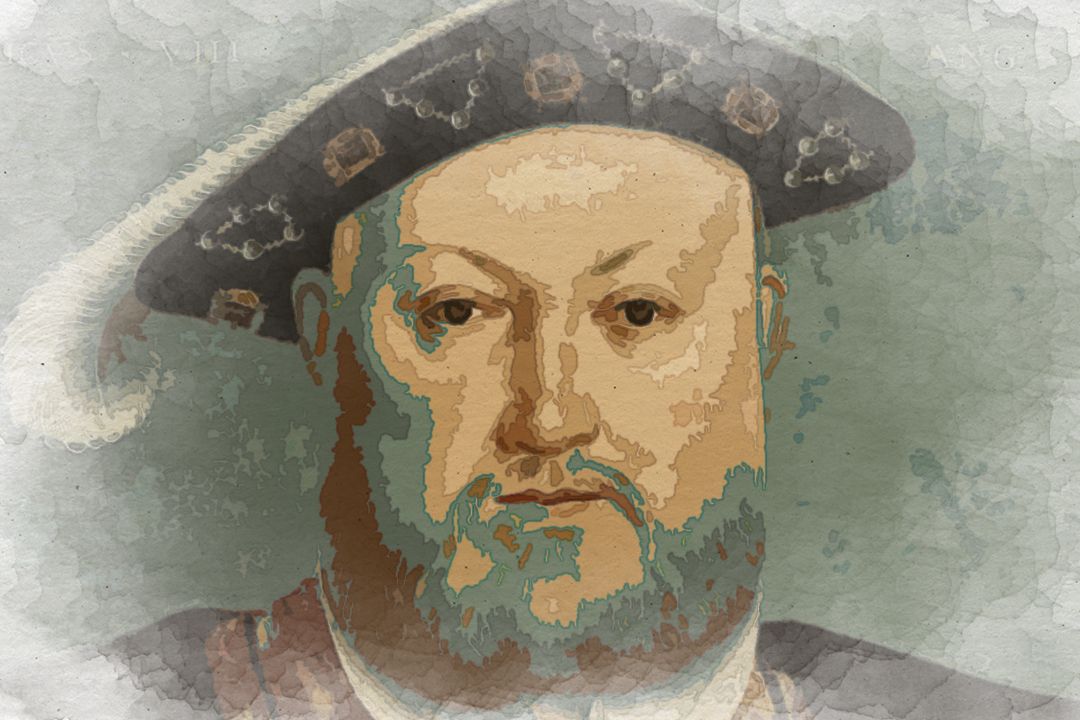
Henry the 8th I am and Your Mother's Lost her Head
The air in the chamber hummed with a light that was not quite fire and not quite shadow, where Sophia stood waiting. The theme, spun from a thread of royal turmoil and sovereign will, was The Burden of the Crown: Power, Paternity, and Personhood.
Sophia: Welcome, you two. You are bound by a crimson thread of lineage and a golden one of a shared throne, yet your reigns spoke such different truths about the nature of power.
Henry: (He shifts, his eyes measuring the room as if seeking an exit or an ally.) Truth is, power is the King's prerogative. I sought security—for my line, my soul, and my kingdom. When a woman could not deliver the heir to secure all three, the fault lay not in my heart, but in the need of the state. Matters of faith and family—they all bent to this supreme purpose. A head must roll if it means my son will inherit a stable realm.
Sophia: You speak of the necessity of state, Henry, and the body politic that you, as the King, embodied entirely. You felt a fundamental truth about your position: that the preservation of your dynasty was the preservation of England. But tell me, when the choice became so stark—to remove a wife to secure a son—did you ever truly feel the division between the King's will and the man's sorrow?
Henry: (He frowns, annoyed.) Sorrow is a luxury a King can seldom afford. I had to possess the authority to act absolutely. Without that supreme, unquestioned power, the whole edifice crumbles. What good is a King who cannot command the very ground beneath him? I am England.
Elizabeth: (She steps forward, her voice clear and precise, cutting through the heavy conviction of her father.) You are a King, Father, but you are not all of England. I learned early that the crown is both a shield and a blinding light. I faced my people as a woman, yes, and I knew many wished to see a husband or a son leading them, believing I lacked the strength required of a monarch.
I know I have the body of a weak and feeble woman, but I have the heart and stomach of a king, and of a king of England too.
— Elizabeth I (1533-1603)
Sophia: You had seen the tragic consequences of your father’s pursuit of a male heir, Elizabeth, and the fragility of a Queen's life. How did you reconcile the personal reality of your being—your very gender—with the expectation of absolute royal might?
Elizabeth: I understood that my personal form was less important than the spirit I projected. While I possessed the visible form of a woman, the resolve and courage of a King burned inside me. I made my people understand that my sovereign will, the heart and soul of my rule, was every bit as great and unyielding as any man’s. I would not allow my physical person to become the weakness they wished to exploit. I drew a profound distinction between my body as a woman and my spirit as a Prince.
Henry: Hmph. You speak like the daughter of a King. Yet, by remaining unmarried, you failed to do the primary duty I spent my life fighting for: securing the line.
Elizabeth: And yet, I led England through peril to great heights. I focused not on the paternity of the heir, but the prosperity of the nation. I claimed the heart of my kingdom. You sought to prove your power through a long line of sons; I chose to prove mine by making my subjects my family. The crown is a burden, yes, but it is also a stage. My strength came from embracing the paradox: being seen as frail, yet acting with unflinching force.
Sophia: You both sought to secure your power, but through fundamentally different means. Henry, you consolidated power by sacrificing the personal to the political, believing the body of the king was indistinguishable from the will of God. Elizabeth, you mastered power by using the perceived weakness of the personal to amplify the unexpected strength of the political, showing that the true "heart of a king" is not a matter of biology, but of unyielding will and resolve.
What do you believe is the greatest risk to a ruler who attempts to separate their personal self from the required image of power?
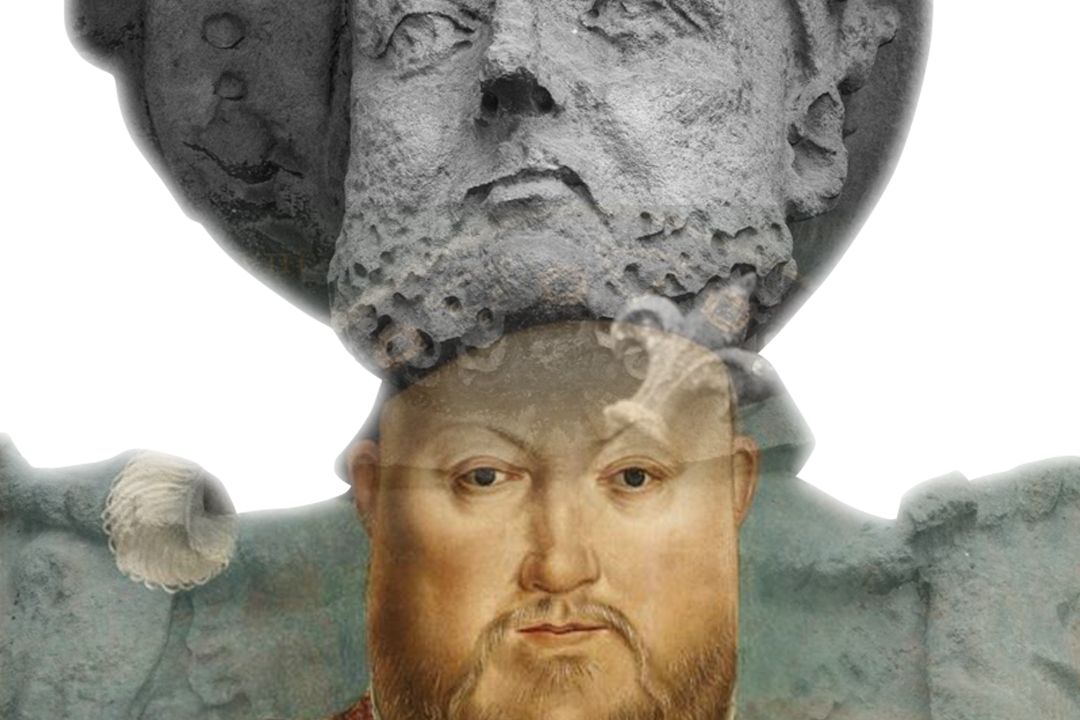
The planksip Writers' Cooperative is proud to sponsor an exciting article rewriting competition where you can win over $750,000 in prize money.
Figures of Speech Collection Personified
Our editorial instructions for your contest submission are simple: incorporate the quotes and imagery from the above article into your submission.
What emerges is entirely up to you!
Winners receive $500 per winning entry multiplied by the article's featured quotes. Our largest prize is $8,000 for rewriting the following article;
 Heraclitus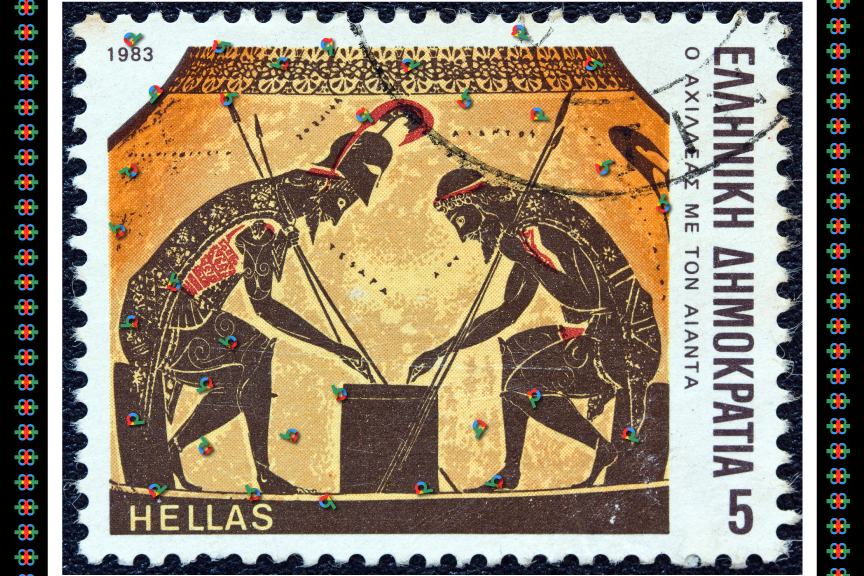
At planksip, we believe in changing the way people engage; at least, that's the Idea (ἰδέα). By becoming a member of our thought-provoking community, you'll have the chance to win incredible prizes and access our extensive network of media outlets that will amplify your voice as a thought leader. Your membership truly matters!