

In the intricate tapestry of human experience, few threads are as fundamental and enduring as the use of sign and symbol in religion. These potent tools serve not merely as decorative embellishments but as the very bedrock upon which spiritual understanding, communal identity, and transcendent meaning are constructed. They bridge the chasm between the ineffable and the comprehensible, allowing adherents to grasp truths that often defy ordinary language, all while being deeply rooted in shared custom and convention. This article explores how signs and symbols function within religious frameworks, shaping perception and fostering connection to the divine.
Distinguishing Sign from Symbol in Sacred Contexts
To fully appreciate their role, it's crucial to differentiate between a sign and a symbol, though their functions often intertwine in religion.
- A sign typically points directly to something else, often with a more singular or immediate meaning. For instance, smoke is a sign of fire. In a religious context, a specific ritualistic gesture might be a sign of submission or blessing, indicating a direct action or state.
- A symbol, on the other hand, possesses a deeper, more expansive, and often multi-layered meaning. It represents something beyond its literal form, inviting contemplation and interpretation. A cross, for example, is not merely a sign of an execution device; it symbolizes sacrifice, redemption, resurrection, and the very core tenets of Christianity.
Religious life is replete with both, where simple signs can accrue symbolic weight over time, transcending their initial indicative function to become vessels of profound spiritual significance.
The Profound Resonance of Religious Symbolism
Symbols are indispensable in religion because they enable communication of the ineffable. How does one speak of God, the afterlife, cosmic order, or spiritual transformation without resorting to metaphor and allegory? Ordinary language, with its inherent limitations in describing the transcendent, often falls short. Here, symbols step in, offering a way to:
- Convey Complex Ideas: A single symbol can encapsulate a doctrine, a historical narrative, or an emotional truth that would take volumes to explain in propositional terms.
- Evoke Emotion and Experience: Religious symbols often bypass purely intellectual understanding to stir deep emotional and spiritual responses, fostering awe, reverence, comfort, or conviction.
- Create Shared Meaning: Within a community, symbols become a common idiom, a shorthand for shared beliefs and values, reinforcing collective identity and belonging.
The power of a symbol lies in its capacity to be both concrete and abstract, tangible and transcendent, allowing individuals to connect with grand spiritual narratives on a personal level.
Custom and Convention: Forging Shared Meaning
The efficacy of religious signs and symbols is not inherent but is profoundly shaped by custom and convention. Their meaning is largely constructed and maintained through:
- Communal Agreement: A symbol gains its power because a community agrees upon its significance. This agreement is often historical, passed down through generations.
- Ritual and Practice: Repeated use of signs and symbols in rituals, ceremonies, and daily devotions embeds their meaning deeply into the collective consciousness of adherents. The act of lighting a candle, for instance, becomes symbolic of prayer, remembrance, or divine presence through consistent practice.
- Narrative and Tradition: The stories, myths, and theological explanations associated with a symbol solidify its interpretation and emotional resonance. Without the narrative of the Exodus, the Passover Seder plate would lose much of its symbolic weight.
Thus, custom and convention transform an ordinary object or gesture into a sacred vehicle, making it intelligible and meaningful within a specific religious framework. This shared understanding is vital for the cohesion and continuity of any faith.
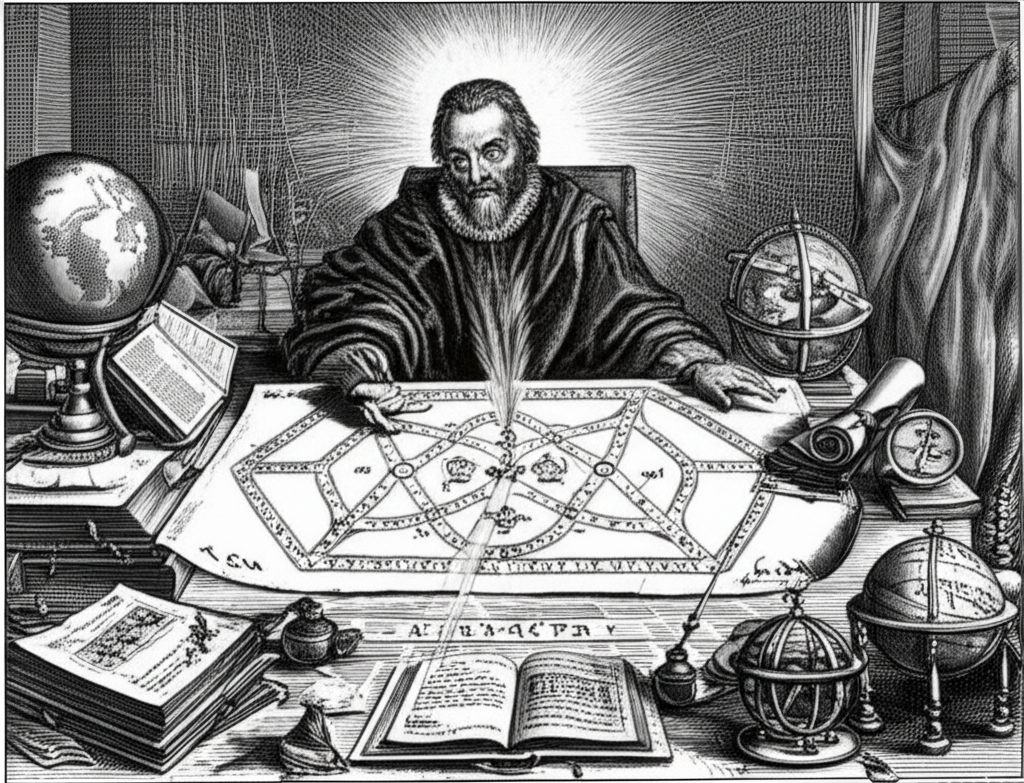
Philosophical Insights into Religious Semiotics
Philosophers throughout history, from the ancient Greeks to modern thinkers, have grappled with the nature of signs, symbols, and meaning. The study of how we interpret the world, often through the lens of language, has direct implications for understanding religion. Thinkers have explored:
- The relationship between word and referent: How does a name or an image connect to the reality it signifies?
- The nature of analogy and metaphor: How do we speak of the divine using human terms without diminishing its transcendence?
- The role of interpretation: How do individuals and communities come to understand and assign meaning to sacred texts, objects, and actions?
This philosophical inquiry underscores that the use of sign and symbol in religion is not a simplistic act but a sophisticated system of communication and interpretation, constantly being re-evaluated and re-understood within the evolving context of faith and human thought.
Manifestations Across Faiths
The universality of signs and symbols in religion is evident across diverse traditions:
- Water (Baptism/Ablution): Signifies cleansing and purification; symbolizes new beginnings, spiritual rebirth, or a covenant with the divine.
- Bread and Wine (Eucharist/Communion): Signifies a communal meal; symbolizes sacrifice, divine presence, communal unity, or remembrance of foundational events.
- The Cross (Christianity): Signifies an instrument of execution; symbolizes redemption, suffering, triumph over death, and the core of Christian belief.
- The Om (Hinduism/Buddhism): Signifies a sacred sound or mantra; symbolizes the essence of ultimate reality, the universe, consciousness, and the unity of all things.
- The Star of David (Judaism): Signifies a recognizable emblem; symbolizes Jewish identity, God's covenant with Israel, and hope.
- The Crescent Moon and Star (Islam): Signifies a historical emblem; symbolizes guidance, divine creation, and the Islamic faith.
Each of these, through custom and convention, becomes a powerful conduit for spiritual experience and communal identity.
Conclusion: The Enduring Power of Sacred Semiotics
The use of sign and symbol in religion is an indispensable aspect of human spirituality, enabling individuals and communities to articulate, experience, and transmit their deepest beliefs. Far from being mere archaic remnants, they are dynamic elements of language that facilitate understanding where words alone falter. Through shared custom and convention, these potent symbols forge bonds of belonging, provide solace and guidance, and continually point towards the transcendent realities that lie at the heart of faith. They remain essential bridges between the seen and the unseen, the human and the divine, perpetually inviting us to look beyond the surface and delve into the profound depths of meaning.
YouTube Video Suggestions:
-
📹 Related Video: What is Philosophy?
Video by: The School of Life
💡 Want different videos? Search YouTube for: "Philosophy of Religious Language and Symbolism"
-
📹 Related Video: KANT ON: What is Enlightenment?
Video by: The School of Life
💡 Want different videos? Search YouTube for: "Meaning-Making in Ritual and Religion"